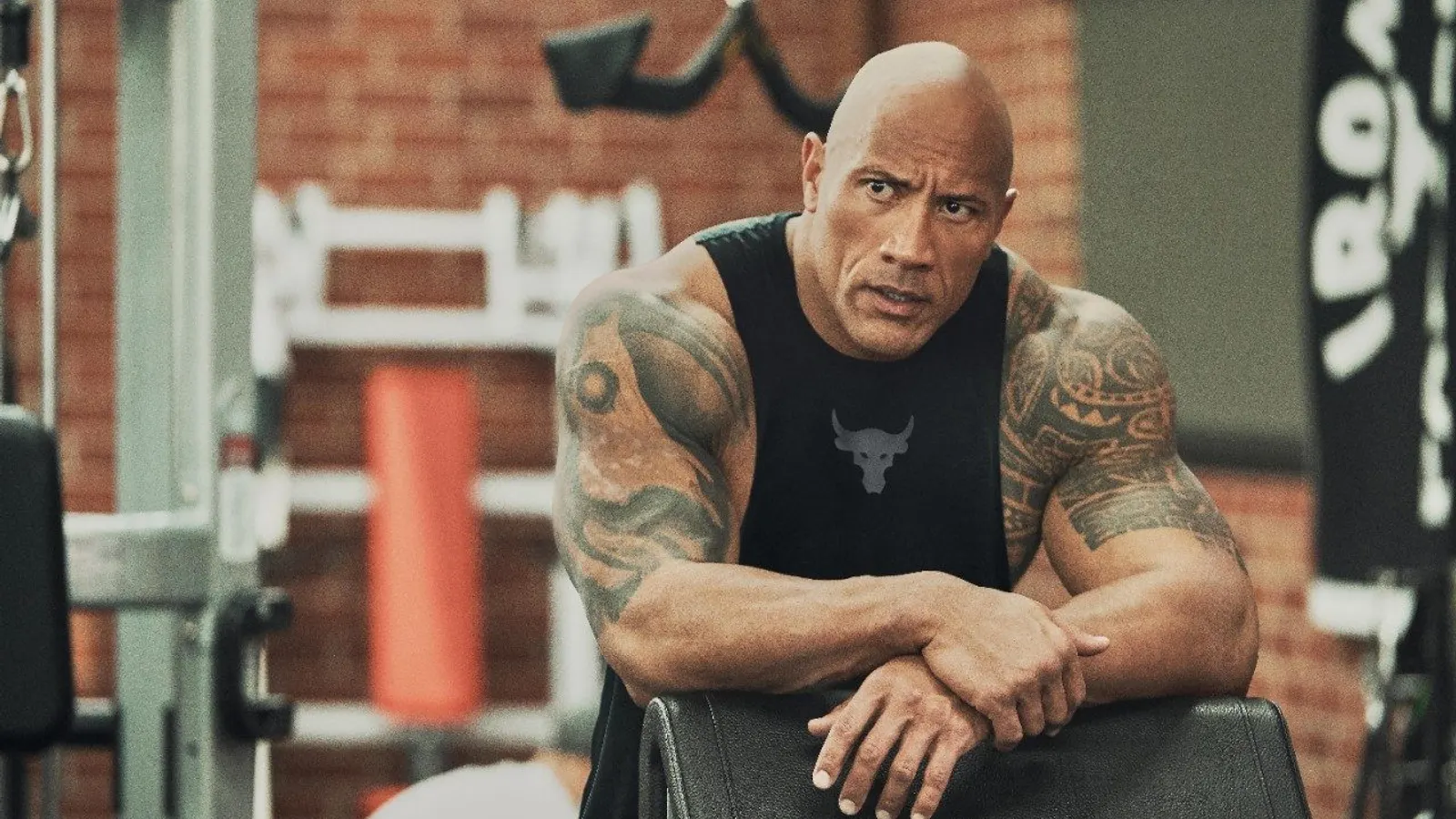
The landscape of celebrity endorsements is shifting, and the latest seismic movement comes from the world of athletic apparel. under armour has officially ended its long-standing partnership with Dwayne “the rock” Johnson, a collaboration that spanned a decade and produced everything from training shoes to lifestyle apparel. The company described the split as a “natural conclusion” to the relationship, a diplomatic phrase that often masks a more complex strategic reality.
This news lands just months after the Baltimore-based brand also parted ways with basketball icon Steph Curry. When a company cuts ties with two of its most recognizable and beloved ambassadors in such a short window, it signals more than just a routine contract expiration. It points to a fundamental recalibration of marketing priorities, budget allocation, and brand identity.
Understanding the Strategic Pivot
For years, the playbook for athletic brands was simple: sign the biggest star, create signature products, and watch the revenue flow. Under Armour played this game aggressively with both Johnson and Curry, leveraging their massive personal brands to drive sales and cultural relevance. The results were often spectacular, with Project Rock becoming a fitness sub-brand in its own right and Curry’s shoes becoming a staple on courts worldwide.
Yet the market has changed. Consumer behavior is evolving, with shoppers increasingly prioritizing value, innovation, and authenticity over sheer star power. The cost of maintaining mega-deals with global icons is astronomical, and the return on investment is no longer guaranteed. It seems Under Armour is asking a critical question: are we paying for brand heat or actual business growth?
The Financial Implications of Letting Go
Ending a decade-long partnership is not just a creative decision; it is a financial one. These contracts are often worth hundreds of millions, including cash, stock, and royalty commitments. By stepping away, Under Armour frees up substantial capital. This money could be redirected toward research and development, direct-to-consumer digital channels, or emerging sports categories where the competition is less fierce.
There is also a signal to Wall Street here. Investors have been watching Under Armour’s performance with a wary eye, and this move suggests a disciplined approach to cost management. It is a bet that internal innovation and a clearer brand message can outperform the gravitational pull of celebrity influence.
Redefining Brand Identity Beyond Celebrities
There is a certain irony in dropping two of the hardest-working, most marketable figures in entertainment and sports. Both Johnson and Curry embody the grit and determination that Under Armour’s “I Will” campaign was built upon. However, the brand seems intent on finding a new voice.
The future likely involves a heavier emphasis on product technology and community building. By shifting the spotlight from the face to the gear itself, Under Armour aims to appeal to the serious athlete who cares more about compression, breathability, and biomechanics than a movie star’s endorsement. It is a return to the grassroots ethos that built the company in the first place, a move toward being a performance brand first and a lifestyle brand second.
For marketers, this is a fascinating case study in brand lifecycle management. Recognizing when a partnership has run its course, regardless of the star’s popularity, requires a certain level of corporate courage. It shows a willingness to absorb short-term backlash for long-term strategic health.
Navigating the New Era of Endorsements
This decision does not spell the end of celebrity partnerships in the industry, but it does herald a more selective approach. We are likely to see shorter contracts, performance-based incentives, and a preference for athletes who are deeply integrated into the product design process rather than just being the face of a campaign.
The lesson here is that no partnership is immortal. In the fast-paced world of consumer goods, staying relevant means being willing to evolve, even when that means saying goodbye to familiar faces. Under Armour is betting that its next chapter will be written through innovation and authenticity rather than star-studded advertisements.
As the dust settles on these departures, the industry watches to see how the brand reinvests its newfound resources. For those of us who study the intersection of fame and commerce, it is a reminder that the most valuable currency is not always the most famous.
If you are looking to build a brand that relies on skill and strategy rather than just star power, the principles of solid digital foundations are key. Mastering how to attract and retain customers through valuable content and user experience is the modern way to create lasting loyalty. Understanding the mechanics of online revenue and audience building is an essential asset, much like how professionals learn to optimize their digital presence for long-term success. Whether you are learning the ropes of performance marketing or seeking to refine your e-commerce approach, the focus should remain on delivering undeniable value to your audience, just as Under Armour hopes to do with its next generation of products.
Ultimately, the separation between Under Armour and The Rock is a bold statement about the future. It suggests that the strongest brand affinity is built on trust in the product, not just affection for a personality. The coming years will reveal if this calculated gamble pays off, and it will certainly provide ample material for future marketing dissertations.
The road ahead is uncertain, but the message is clear: adaptability is the greatest asset. In a market where change is the only constant, the brands that thrive are those that know when to hold on and, more importantly, when to let go and forge a new path forward.