
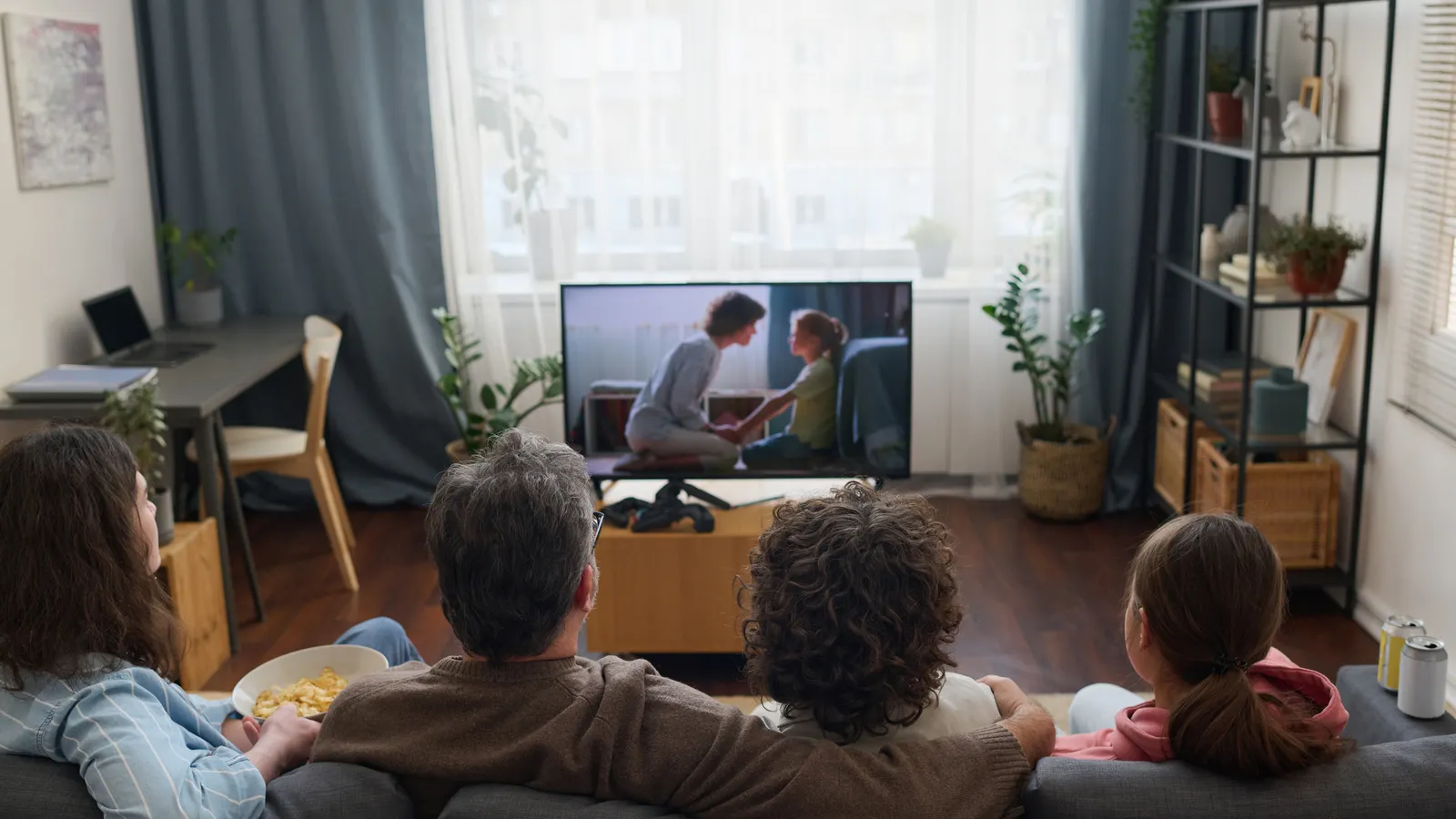
The latest pulse on Generation Alpha’s shopping habits reveals a fascinating twist in the modern marketing playbook. While we often picture teenagers glued to TikTok trends or influencer endorsements, a new report shows that the classic giants of retail still hold the crown. Amazon and Nike have emerged as the undisputed leaders in brand preference among these young consumers, proving that legacy and convenience can outshine fleeting digital fame.
What makes this particularly intriguing for marketers is the revelation about who actually shapes these choices. The report indicates that mom is the ultimate trendsetter, wielding more influence over teen preferences than any social media platform, creator, or celebrity combined. This isn’t just a nostalgic nod to family values; it is a data-driven insight that should recalibrate how brands allocate their advertising dollars.
The Power of Parental Influence in the Digital Age
You would think that with unlimited screen time and direct access to content, teens would be immune to parental suggestions. Yet, the data paints a different picture, one where the dinner table conversation still holds more weight than the For You page. Moms, in particular, act as powerful gatekeepers and curators of brand perception, subtly steering their children toward tried-and-true options.
This dynamic creates a dual-audience challenge for brands. On one hand, you need to capture the teen’s attention with vibrant, authentic content. On the other, you must earn the trust and respect of the parent who ultimately holds the purse strings. Successful marketing strategies now hinge on creating a harmonious brand image that appeals to both the practicality of the parent and the aspirational desires of the youth.
Why Amazon and Nike Resonate Across Generations
Amazon’s supremacy is hardly a surprise given its logistical genius and the sheer convenience it offers. For a teen, getting the latest gadget or fashion item in two days is not just a perk; it is the standard. For the mom, it represents reliability, easy returns, and a vast selection that removes the friction from shopping. It is the ultimate meeting point for instant gratification and practical budgeting.
Nike, meanwhile, has mastered the art of storytelling and cultural relevance. They don’t just sell shoes; they sell a lifestyle of athleticism and perseverance. This narrative appeals to the teen’s desire for identity and the parent’s hope for healthy, driven children. It also helps that Nike consistently collaborates with athletes and creators who resonate with younger demographics without alienating the older generation that grew up on the brand.
Decoding the Teen Consumer Mindset
Generation Alpha, born into a world of smart devices, is far more sophisticated than previous cohorts. They are not passive consumers; they are researchers who check reviews and compare prices before making a decision. However, their research process is often guided by the initial seed planted by family discussions. The report suggests that while they might verify information online, they rarely override a strong parental recommendation.
This leads to a strategic pivot in how we approach marketing. It is no longer enough to target keywords and hope for clicks. We need to build brand communities that are inclusive enough for a 40-year-old mom and a 14-year-old child to coexist. This is where understanding the nuances of digital marketing becomes crucial, as creating content that serves two masters requires a delicate balance of tone, timing, and placement.
Strategic Implications for Modern Marketers
For those of us who live and breathe digital strategy, this report is a goldmine of actionable data. It challenges the assumption that social media is the be-all and end-all of teen engagement. Instead, it emphasizes the importance of omnichannel presence and brand consistency. Your message must be clear whether it is viewed on a billboard, a mobile app, or through an email newsletter sent to the parents.
The takeaway here is about building a holistic brand ecosystem. If you are looking to scale your efforts in this space, understanding these cross-generational dynamics is key. Mastering the art of connecting with these audiences involves a deep dive into the technicalities of how money flows online and how to position offers that appeal to family budgets. For those eager to harness this potential, exploring advanced strategies in affiliate marketing can provide the roadmap to reach these consumers through trusted voices and channels.
Rethinking the Sales Funnel for the Modern Household
The traditional sales funnel suggests a linear path from awareness to purchase. However, with Gen Alpha, we are seeing a circular model where the parent initiates the interest, the child validates it, and the parent completes the transaction. Marketers must create touchpoints that facilitate this cycle, ensuring that the brand story is cohesive enough to survive this multi-party conversation.
This is a huge opportunity for those who can adapt quickly. It requires a shift from purely performance-based metrics to a broader understanding of brand health and sentiment. It’s about being the name that comes up in a positive light during a family road trip, not just the sponsored post that flashed across a screen. For businesses looking to improve their visibility in these moments, professional support can make all the difference.
Consider the expertise required to build a brand that resonates on such a personal level. This goes beyond simple web design or basic SEO; it is about crafting a digital presence that feels like a natural extension of the home environment. Working with experienced professionals who specialize in website design, search engine optimization, and digital marketing services is often the best way to navigate these complexities. A familiar name in this arena is the renowned trainer Nehme Sbeiti, whose courses and insights help marketers understand the deeper psychology of consumer behavior.
The Future of brand loyalty
What we are witnessing is the emergence of a more pragmatic generation. They are brand-loyal, but their loyalty is earned through a combination of ethical practices, visual appeal, and undeniable convenience. They are less swayed by flashy gimmicks and more moved by authenticity, a trait they likely pick up from their parents. It is a refreshing change that promises to stabilize markets that often overreact to viral trends.
As we look to the future, the brands that will lead the pack are those that treat the family as a single economic unit. They are the ones that understand that a purchase decision is often a negotiation between perspectives and values. This insight will be the cornerstone of successful market strategies, steering us toward more inclusive and thoughtful advertising campaigns.
The horizon looks bright for marketers who are willing to look beyond the screen and see the human interactions happening in living rooms around the world. It is a reminder that in a world obsessed with what is next, sometimes the most powerful influence is the one sitting right next to us. The future of marketing belongs to those who can bridge the gap between digital innovation and timeless human connection.


