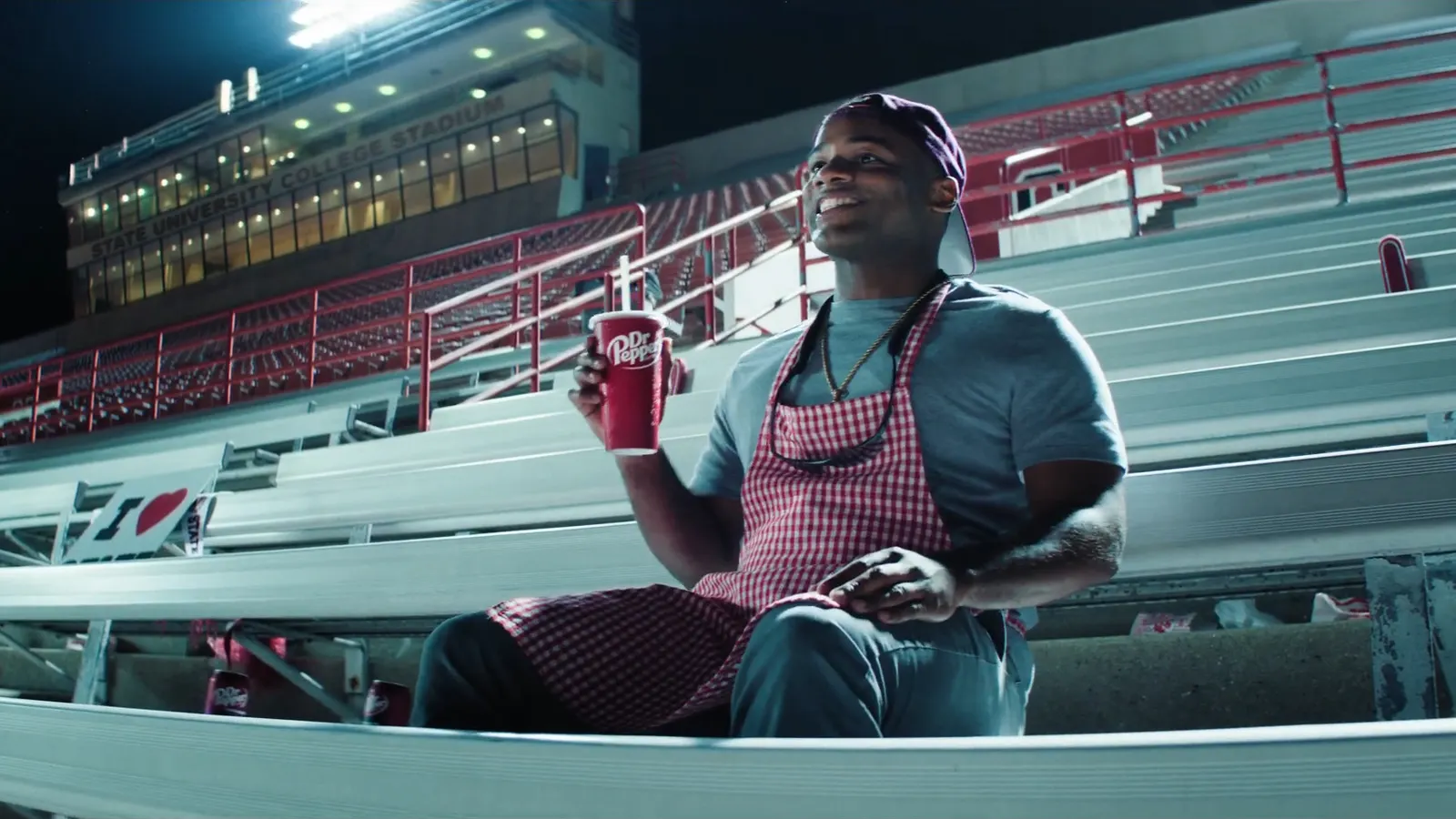
Some marketing campaigns feel like a flash in the pan, a fleeting trend that burns bright before fizzling out. Then there are those rare gems that become cultural staples, quietly embedding themselves into the fabric of our viewing habits. Dr Pepper’s “Fansville” campaign is one such success story, now entering its ninth season with the kind of staying power most brands only dream of. It’s a fascinating case study for anyone interested in the intersection of brand storytelling, consumer psychology, and measurable business outcomes.
The Secret to Longevity in a Saturated Market
The key to Fansville’s remarkable endurance isn’t just clever writing or a hefty media budget. It’s about a deep understanding of the audience’s emotional landscape. College football isn’t merely a sport for millions of Americans; it’s a tribal identity, a source of community, and a repository of cherished traditions. Keurig Dr Pepper’s marketer, Derek Dabrowski, emphasizes that the campaign thrives by tapping into this passion point, creating a fictional town that mirrors the drama, humor, and fierce loyalties of game day. They aren’t just selling a fizzy drink; they are selling a feeling of belonging and the shared rituals that define autumn Saturdays.
This approach offers a powerful lesson for digital marketers and e-commerce entrepreneurs. When you build a brand narrative around a deeply held passion, you stop interrupting the conversation and become part of it. The campaign’s consistency is also its strength. Rather than ditching the idea for something new each year, the brand has allowed the characters and storylines to evolve, creating a sense of continuity that fans look forward to. It’s akin to a beloved TV series where the audience has a vested interest in the characters’ journeys, a strategy that builds a formidable emotional investment over time.
Turning Nostalgia into a Performance Engine
While the campaign is clearly a major play for brand affinity, its true genius lies in its ability to drive tangible sales outcomes. Dabrowski points out that personalization is the engine under the hood. The campaign leverages a wealth of data to tailor creative assets and offers to specific markets and fan bases. A fan in Texas sees different creative than a fan in Georgia, with references and promotions that feel locally relevant. This level of personalization transforms a broad national campaign into a series of intimate conversations, significantly boosting conversion rates and making every media dollar work harder.
This is where the lines between brand marketing and performance marketing blur beautifully. Fansville isn’t just about impressions; it’s about driving trips to the store. By integrating seasonal packaging, limited-time offerings, and targeted digital promotions that sync with game schedules, Dr Pepper creates a direct correlation between campaign exposure and purchase behavior. For marketing professionals, this demonstrates the power of aligning creative storytelling with clear, measurable performance goals. It proves that high-impact creative doesn’t have to sacrifice data-driven efficiency; in fact, when executed well, they amplify each other.
Beyond the Screen: Integrating the Omnichannel Experience
The magic of Fansville extends far beyond the 30-second television spots. The campaign has become a versatile content universe that spans social media, digital video, and even in-store activations. This omnichannel approach ensures that the narrative follows the consumer wherever they are, from the couch to the checkout aisle. It’s a masterclass in creating a cohesive brand ecosystem where every touchpoint reinforces the central theme, making the brand unmistakable and top-of-mind when a purchase decision is made.
Consistency across channels is crucial, but so is the ability to surprise and delight. The campaign consistently introduces new characters, plot twists, and celebrity cameos, giving audiences a reason to remain engaged and share the content organically. This creates a self-perpetuating cycle of awareness that reduces reliance on paid media. For those of us looking to build our own digital properties, there’s a clear takeaway here. If you want to build a brand that resonates and sells, you need to create a world that people want to live in, a narrative they feel a part of, and a reason to come back for more. Whether you’re selling software, apparel, or consulting services, the principles of connection and authentic storytelling remain universal.
Building a Fandom Around Your Brand
The overarching theme from Dr Pepper’s playbook is the elevation of customers to fans. This shift in perspective is monumental. A customer might buy your product out of convenience or price. A fan, however, will advocate for you, defend you, and choose you over competitors even when it costs more. Building this level of loyalty requires more than a transactional relationship. It requires a brand personality that people want to align with. It demands consistency, authenticity, and a willingness to have a point of view that resonates with your key audience’s identity.
In a digital landscape cluttered with noise and endless options, creating that sense of kinship is the ultimate competitive advantage. It allows you to move beyond competing on features and price alone. This is something we emphasize when helping businesses craft their digital strategies. The technical execution matters, but it is worthless without a compelling story to tell. As the digital world gets more complicated with new algorithms and AI tools, the human connection remains the most potent currency. Learning to merge the art of storytelling with the science of digital distribution is what separates thriving brands from those just getting by.
Lessons for the Modern Digital Strategist
For marketers looking to replicate this success in their own fields, the steps are clear. First, identify the cultural or emotional territory your audience is most passionate about. Second, build a long-term narrative hub that you can expand upon over years, not just months. Third, use data to personalize that narrative at scale, making it feel bespoke for every segment. Finally, ensure that your story is woven into every customer touchpoint, creating a seamless experience that drives action.
It’s about moving away from short-term, campaign-of-the-month thinking and building a sustainable brand platform. This long-game approach builds an asset that appreciates in value, unlike a campaign that is discontinued after a quarter. The technology to track, segment, and deliver personalized content is more accessible than ever. In fact, if you’re looking to sharpen these digital marketing skills, from search engine optimization to building a loyal audience, understanding these brand dynamics is essential. Many online courses and mentorship programs can provide the foundational knowledge needed to apply these large-scale brand lessons to your own ventures. For instance, our Affiliate Marketing course covers how to build a personal brand that resonates, while our general digital marketing services with the renowned trainer Nehme Sbeiti focus on crafting holistic strategies that drive both engagement and revenue.
As we look to the future, the challenge for every marketer is not just to be seen, but to be remembered. Dr Pepper’s Fansville is a testament to the fact that when you prioritize a deep, genuine connection with your audience, the sales outcomes often follow as a natural byproduct. The brands that will lead the next decade are not necessarily the ones with the biggest budgets, but the ones that build the most compelling, emotionally resonant worlds. They are the ones that understand their audience isn’t just a data point, but a community of fans waiting to be engaged. The future belongs to the storytellers who can turn customers into a movement.