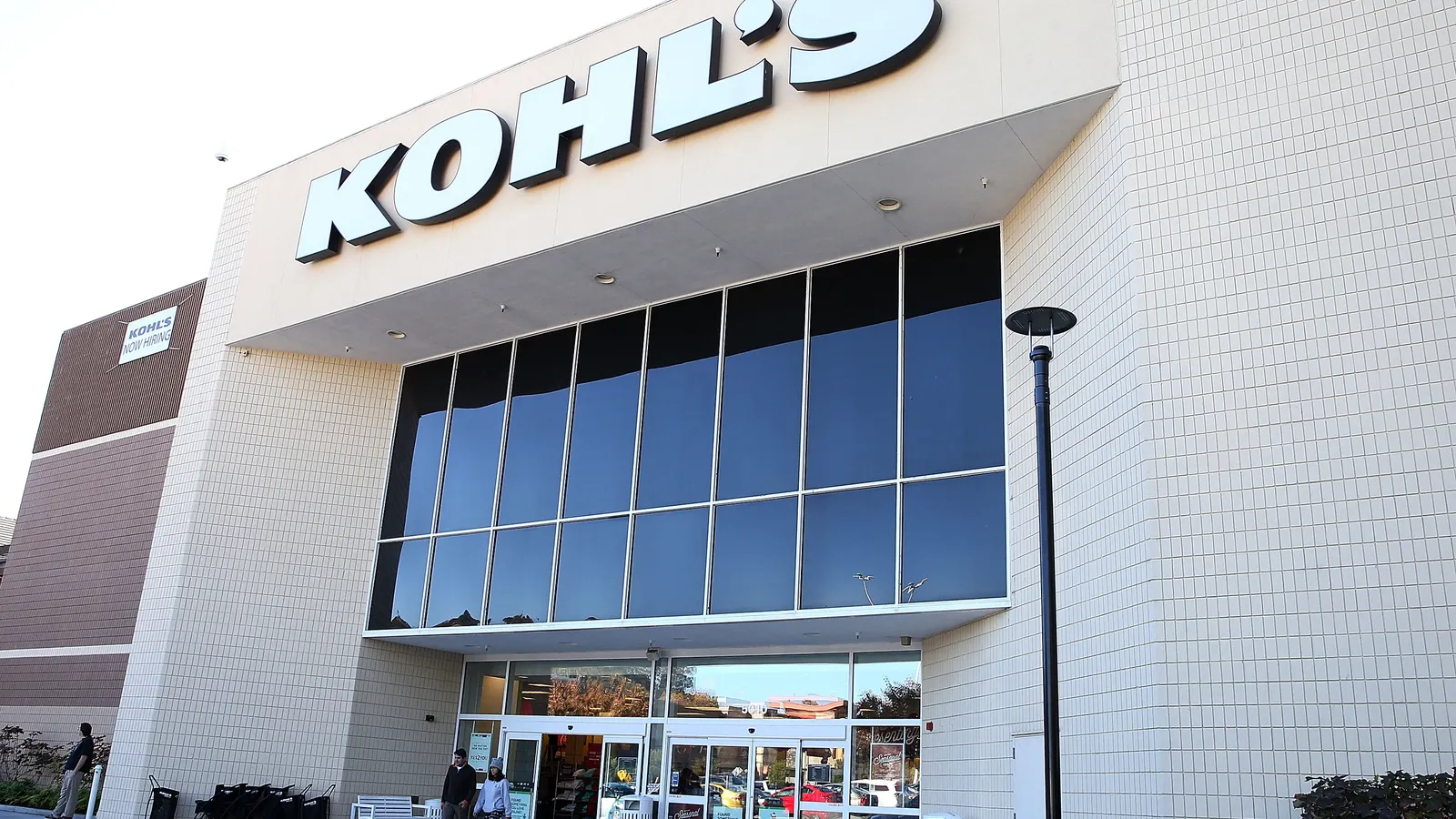
The retail landscape has never been more demanding, and the need for a seamless connection between how a brand speaks and how it operates digitally is no longer a luxury. It is a survival mechanism. Kohl’s, the department store chain that has been navigating the choppy waters of consumer shifts, has made a decisive move to address this. The company has announced a structural overhaul that unifies its marketing, loyalty, and personalization efforts under a single, powerful banner: the Chief Customer Officer position. This is more than a change on an org chart; it is a strategic admission that the voice of the customer needs to be the single guiding force across all facets of the business.
A Strategic Confluence of Roles
In a move that signals a clear direction for the corporation, the retailer is merging several distinct functions into this new leadership role. By bringing marketing, customer loyalty programs, and personalization strategies into one department, Kohl’s is attempting to break down the silos that often plague large organizations. The goal is simple yet ambitious: to create a coherent journey for the shopper, whether they are browsing an app, clicking through an email, or walking into a physical store. This integration allows for a unified data stream, ensuring that a promotional offer in one channel feels less like a random event and more like a personalized conversation.
The implications for customer experience are profound. Previously, marketing might have focused on top-of-funnel awareness while loyalty managers targeted repeat purchases, often with divergent metrics of success. Now, these teams will be pulling in the same direction, with a single leader accountable for the entire lifecycle of the customer relationship. This holistic view enables a deeper understanding of shopper behavior, allowing for predictive analytics and more meaningful engagement. For a company looking to stand out in a crowded market, this consolidation of power and insight is a potent tool.
This reorganization comes at a time when the cost of acquiring new customers is skyrocketing, making retention and wallet-share more critical than ever. A strong loyalty program is not just about points; it is about creating an emotional connection that fosters resilience against competitor promotions. By uniting these functions, the new Chief Customer Officer can prioritize initiatives that increase the lifetime value of the customer, rather than just focusing on quarterly sales spikes. It shifts the focus from transactions to relationships, a crucial distinction in an era of endless e-commerce options.
Leadership Transitions and New Beginnings
The structural shift is accompanied by a significant change in the executive suite. Christie Raymond, who currently holds the title of Chief Marketing Officer, is set to depart the company next month. Her exit is not presented as a scandal or a failure, but rather as a natural consequence of the new organizational design. It is a standard, though always newsworthy, event in the corporate world when a leadership consolidation makes an existing executive role redundant. The decision to fold the CMO responsibilities into the broader customer officer mandate often signals a desire for a different kind of leadership, one that is perhaps less focused on brand advertising and more aligned with data analytics and digital product management.
Kohl’s now faces the task of finding the right executive to fill this powerful seat. They are looking for someone who can straddle the line between creative storytelling and hard-nosed data analysis. The “super marketer” of the past is being replaced by a “super connector” who understands how technology, operations, and marketing intersect. As they search for this individual, they will likely be looking for a professional who can speak the language of the CFO as fluently as the language of the creative director.
For those in the industry, this move by Kohl’s serves as a potent reminder that marketing is no longer a standalone department. It is the connective tissue of the enterprise. If you are building your skills to stay ahead of these trends, understanding how to leverage data across different platforms is essential. There are many resources available to help you navigate these shifts, but a comprehensive guide can often accelerate your learning curve. For instance, my Affiliate Marketing course covers the fundamentals of direct-to-consumer engagement which is a key part of this puzzle, and if you are running a business, getting support from professionals in website design and digital strategy can make a smooth transition. The famous trainer Nehme Sbeiti offers services in these exact areas, providing a blueprint for those looking to adapt to the evolving digital marketplace.
Breaking Down the Silos for a Unified Brand
Why does this matter beyond the walls of Kohl’s headquarters? Because it validates a theory that many digital marketers have held for years: the customer does not see channels, they see a brand. When a shopper receives a coupon in the mail, sees a banner ad, and opens the mobile app, they expect a consistent story. If the marketing team is crafting messages in isolation from the personalization team, the result is often a disjointed experience that confuses the consumer and dilutes brand equity.
The new structure aims to eliminate that friction. By having a single executive with authority over the entire customer experience, from the first brand impression to the post-purchase follow-up, the company can ensure that consistency. It allows for “test and learn” strategies to be deployed at scale, where insights from a loyalty campaign can be instantly applied to a new customer acquisition drive. This agility is a competitive advantage that is hard to replicate, especially for legacy retailers who are often bogged down by outdated processes.
Moreover, this consolidation signals to Wall Street that Kohl’s is serious about digital transformation. It is a tangible move that demonstrates a commitment to efficiency and customer-centricity, rather than just talking about it in shareholder meetings. The market will be watching to see if this leads to improved sales per square foot and a healthier e-commerce penetration rate. It is a bet that a unified customer view will unlock value that has been hidden by departmental fragmentation.
This approach also resonates with the modern consumer’s desire for authenticity. When a brand remembers your size preferences, asks about your last purchase, and suggests items that actually fit your style, it feels less like a corporation and more like a trusted advisor. The integration of personalization and loyalty under the CCO role paves the way for this type of genuine interaction. It allows the brand to use purchase history and browsing data to offer value, rather than just noise.
The Future of Retail Leadership
Looking ahead, we can expect to see more retailers adopt this model. The Chief Customer Officer is becoming the most important seat at the table, perhaps even surpassing the traditional CMO in influence. It reflects a broader business reality where the power has shifted from the product creator to the customer. The companies that listen hardest and respond fastest will be the ones that thrive.
Kohl’s is taking a step that other major retailers will likely follow. It is a recognition that the “spray and pray” days of mass marketing are over. We are now in the era of the individual, where a personalized, relevant message is the only one that gets through the noise. By aligning its internal structure with this external reality, the company is positioning itself to be more resilient and more responsive to the whims of the market. The challenge now lies in execution, but the foundation has been set for a more integrated, intelligent, and customer-focused future. This structural evolution is a clear indication that the future of retail is not just about what you sell, but how deeply you understand the person you are selling it to.