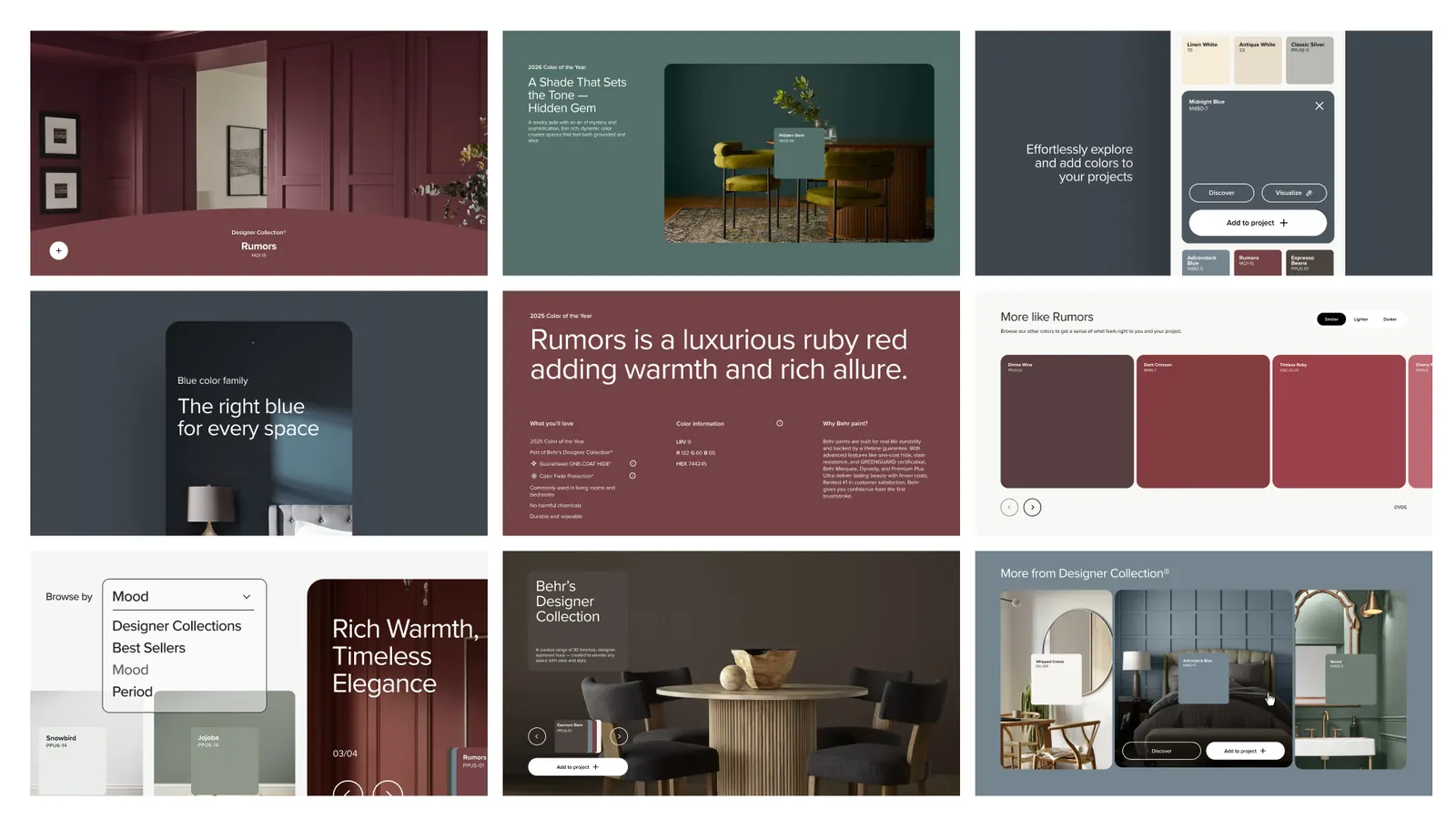
Choosing a paint color can feel surprisingly high stakes. You stand in the aisle, fan deck in hand, staring at 1,500 shades of white, suddenly convinced that the wrong choice will doom your living room to eternal gloom. This moment of hesitation is so real and so common that the paint industry has a name for it: paint paralysis. It is the friction point where enthusiasm meets anxiety, and it is exactly where Behr, the coatings giant, has decided to focus its most innovative marketing energy.
Andy Lopez, Behr’s Chief Marketing Officer, recently pulled back the curtain on a digital transformation strategy designed to be a guiding hand for the overwhelmed. The brand is no longer just selling buckets of pigmented latex; it is selling confidence. By weaving together interactive tools, social proof, and a deep understanding of consumer psychology, Behr is turning a mundane purchase into a personalized journey. The goal is not merely to close a sale but to make the customer feel like a hero in their own home improvement story.
A Chatbot That Understands Your Fear
At the heart of this initiative is a hue-choosing chatbot, a digital concierge designed to ask the right questions before you ever pop the lid off a can. This isn’t a simple quiz that asks for your favorite color and spits out a hex code. Instead, it engages on a deeper level, probing about the room’s lighting, the mood you want to evoke, and even the architectural style of your home. It listens to the nuances of your hesitation, translating vague feelings into a curated palette that feels both safe and inspiring.
This tool is a masterclass in bridging the gap between online research and physical application. For years, the paint industry has struggled with the digital dilemma: how do you sell a visual, tactile experience through a screen? Behr answers by using the chatbot not as a final answer but as a starting point for exploration. It introduces you to a direction, narrowing that daunting field of 1,500 options down to three or four viable contenders, making the subsequent trip to the hardware store feel less like a gamble and more like a confirmation.
influencer campaigns for Creative Validation
While the chatbot handles the logical side of the decision, Behr is simultaneously targeting the emotional side through a revitalized influencer campaign. Realizing that perfect, professionally staged photos can feel unattainable, the brand has pivoted toward creators who showcase authentic, lived-in spaces. These are the influencers who have a chipped baseboard in the background and a pile of laundry on the couch. Their relatability is the antidote to paint paralysis, demonstrating that a fresh coat of color can make a difference without requiring a full renovation or a photographer on retainer.
These campaigns do more than just showcase a product; they offer a blueprint. They walk viewers through the decision-making process, discussing why they chose that specific sage green or how they tested a bold navy in a small powder room. This content strategy transforms the influencer from a model into a peer advisor. When a trusted creator explains their own initial fears and how they overcame them, it validates the consumer’s own anxiety and provides a social proof that is far more powerful than any glossy advertisement.
This approach also cleverly feeds back into the digital ecosystem. A viewer who sees a relatable bedroom makeover is likely to visit Behr’s website to recreate that look, which leads them directly to the chatbot. The marketing loop closes seamlessly, moving from inspiration to action without a jarring transition. It is a holistically designed funnel that respects the customer’s pace instead of forcing a hard sell.
The Psychology of the Swatch
Underneath these flashy digital tools lies a solid foundation of behavioral science. The core strategy is about reducing risk, which is the root cause of paralysis. Behr understands that a color choice feels permanent, a costly mistake that involves sweat equity and weekend hours. By offering free digital visualizers that let you upload a photo of your own room and apply the paint virtually, they are giving you a preview of the outcome, a low-stakes test drive that alleviates the fear of the unknown.
Furthermore, the brand has leaned into the power of color psychology. Their marketing materials and blog content do not just list paint names; they explain the emotional temperature of a color. Are you seeking tranquility in a bedroom? Here is a lavender with particular calming undertones. Want to stimulate conversation in a dining room? Try this warm terracotta. By speaking the language of mood and feeling, Behr positions its paint as an emotional investment, not just a home improvement chore.
These strategies offer a valuable lesson for anyone looking to sell complex or intimidating products online. Whether you are promoting high-ticket e-commerce items or building an affiliate marketing funnel, the core blocker is often a lack of confidence. Your job is not just to describe the product, but to dismantle the buyer’s fear. This is where the principles behind understanding consumer psychology can be a game changer. If you are looking to master these digital dynamics, consider learning from experts who specialize in consumer behavior and conversion optimization. It is one thing to have a great product; it is another to have the skills to guide a hesitant customer toward a confident yes, a skill that is essential in fields like affiliate marketing or web design.
Lessons for the Digital Marketing Landscape
Behr’s approach is a powerful testament to the idea that good marketing is a service, not an interruption. Their chatbot is a utility, their influencers are a guide, and their visualizers are a risk-reduction tool. They are spending less time shouting about their superior formula and more time solving a genuine customer pain point. For businesses that have been slow to adopt interactive features, the takeaway is clear: the brands that will win the next decade are those that build empathy into their digital infrastructure.
The shift also highlights the growing importance of first-party data. Every interaction with the chatbot, every minute spent in the visualizer, is a data point that helps Behr personalize future communications. They are building a relationship with the consumer before the first drop of paint is ever applied, which not only fosters brand loyalty but also makes the next purchase infinitely easier. They don’t have to ask for your preferences again; they remember the last time you overcame your paralysis.
As Behr looks to the future, one can only anticipate even more immersive technologies. Imagine an augmented reality app that doesn’t just show a color on your wall but simulates how it looks at different times of day or under different lighting conditions. The boundaries between the physical and digital are blurring, and Behr is charging ahead with a clear vision: to make the perfect color choice feel less like a leap of faith and more like a sure thing. The fight against paint paralysis is being won, one intuitive click that is both strategic and empathetic at a time.