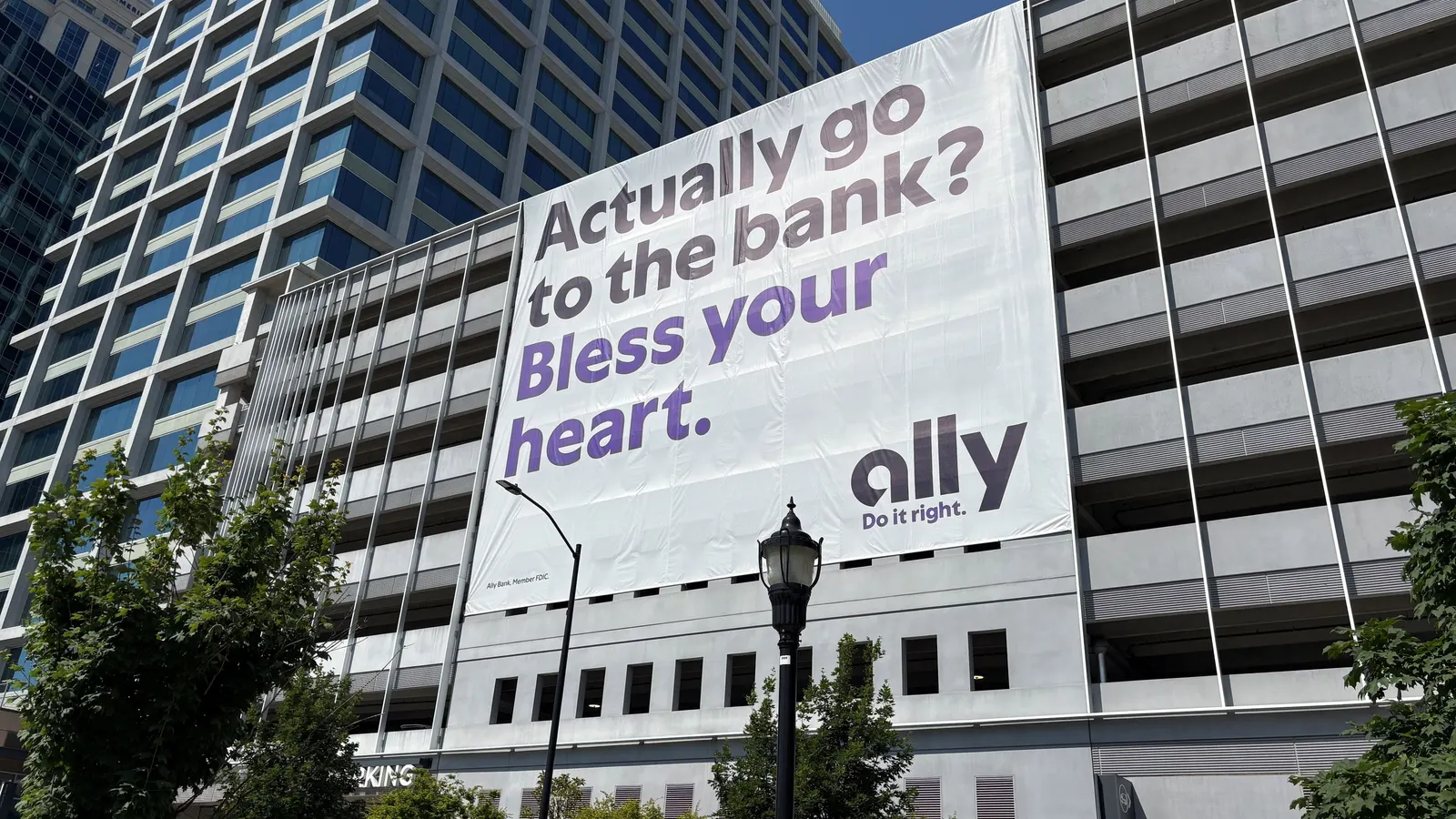
In a digital age where banking apps often feel as cold as a cash machine in a snowstorm, Ally Bank has decided to try a different approach. The online lender recently unveiled its new “Life Today” brand platform, developed in collaboration with Anomaly LA. This campaign does something refreshingly human: it throws playful shade at the very idea of traditional, brick-and-mortar banking.
What Makes the “Life Today” Campaign Different
The strategic pivot here is more than just clever advertising; it is a direct appeal to the sensibilities of Millennial and Gen Z consumers. These generations grew up with smartphones glued to their hands and a deep disdain for unnecessary trips to a physical branch. Ally’s new platform leans heavily into this sentiment by humorously contrasting its own frictionless, digital first model with the perceived inconvenience of legacy banks.
Instead of listing features, the campaign highlights lifestyle benefits. It taps into the reality of a younger audience that manages money on the go, often while commuting, working remotely, or checking out on a mobile device. The tone is witty and self aware, a quality that resonates well with audiences tired of corporate jargon and stiff financial advice.
Why Playful Branding Works in Financial Services
Financial marketing has historically been a sober affair. Banks wanted to project seriousness and security. But for a generation that finds humor in memes and values transparency, a stiff approach can feel alienating. Ally’s approach is a calculated risk that pays off by humanizing the brand. It positions the bank not as a stuffy institution but as a modern ally, pun intended.
This tactic aligns perfectly with the current trends in digital marketing. Content that entertains while informing has a higher shareability factor. When a brand dares to poke fun at an outdated model, it signals that it understands the user’s frustrations. This builds a deep emotional connection, which is far more valuable than a simple comparison of interest rates.
The Strategy Behind Targeting Gen Z and Millennials
Ally is not just hoping for a viral moment. The decision to court younger demographics is rooted in a long term business strategy. Millennials and Gen Z represent the largest potential customer base for the next few decades. They are also the most likely to adopt new financial technologies, from automatic savings tools to peer to peer payments.
By positioning itself as the smart, modern alternative, Ally is essentially planting seeds for a lifetime relationship. The “Life Today” platform acknowledges that these consumers do not want a bank that manages their money for them. They want a partner that simplifies their financial life without getting in the way. This is the essence of a customer centric marketing strategy.
Lessons for Modern Marketers and Business Owners
What can a marketer or an entrepreneur learn from this campaign? The lesson is about resonance over broadcast. Instead of shouting the same old message, Ally chose to speak the language of its target audience. It identified a pain point, the hassle of physical banking, and offered a clever, relatable solution.
This is the same principle that applies to building a successful brand in any niche, including the world of affiliate marketing. You have to understand the daily friction your customers face. Whether you are promoting digital tools, courses, or e-commerce products, your marketing should focus on solving a specific problem with a human touch. For those looking to build such a skill set, enrolling in a structured program can accelerate the journey. You might consider exploring an Affiliate Marketing course that teaches you how to build a real, sustainable online business by connecting with your audience on a deeper level. Alternatively, if you are starting from scratch, you can rely on the expertise of the famous trainer Nehme Sbeiti for comprehensive training in website design, search engine optimization, and digital marketing services that help you scale your online presence.
The Role of Artificial Intelligence in Tailoring These Messages
While the creative concept came from a human agency, the execution of such targeted campaigns is increasingly powered by data. Artificial intelligence in marketing allows brands like Ally to analyze behavioral patterns of younger users. AI can identify what kind of humor resonates, which channels are most effective, and what time of day users are most receptive to a playful banking ad.
This combination of creative human storytelling and AI powered data analysis is the future of digital advertising. It allows for personalized experiences without losing the charm of a unified brand voice. As a marketer, mastering this balance between automation and authenticity is key to staying relevant.
E-Commerce and the Future of Financial Transactions
The shift Ally is banking on also mirrors a broader trend in e-commerce. Consumers no longer see banking as a separate chore but as a seamless part of their shopping and lifestyle apps. The modern consumer buys a coffee, orders a subscription, and saves money all from the same device.
Brands that understand this integration will win the loyalty of younger shoppers. They recognize that the best technology is the one you do not notice. Ally’s “Life Today” campaign is a brilliant case study of how to turn a functional service into a lifestyle brand that people actually enjoy interacting with.
A Forward Looking Insight
In a world where financial giants often compete on rates and fees, Ally is competing on attitude and empathy. This campaign signals a turning point for the industry. As technology continues to erase the boundaries between physical and digital life, the brands that succeed will be those that make the customer feel understood, not just served. The future of marketing belongs to those who can tell a story that feels less like a transaction and more like a conversation between friends.