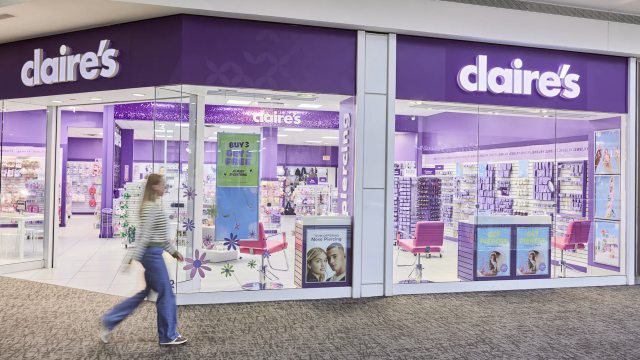
Claire’s, the retailer beloved by tweens for accessories and ear piercings, is once again attempting a comeback. The brand has entered turnaround mode, hoping to recapture the attention of its core audience of preteen and teenage girls. A recent profile in the Wall Street Journal praised the company’s new CMO for a laser sharp focus on understanding what global tweens truly want. That sounds like a solid plan. After all, when a brand is in crisis, reconnecting with its core promise is often the smartest move.
But here is the uncomfortable truth. Claire’s has been down this road before. The company filed for Chapter 11 bankruptcy twice in the last ten years, once in 2018 and again in 2025. In between those filings, something remarkable happened. Fast Company named Claire’s one of the World’s Most Innovative Companies for 2023, placing it second in the retail sector. The magazine praised the brand for its creative strategy, its ability to surprise and delight customers, and its consistent, caring service. Claire’s seemed to have cracked the code.
The Rise and The Rapid Fall
During the post COVID years, Claire’s executed a smart growth strategy. They had an exceptionally clear understanding of their target audience, a group they called Genzalpha. They described these consumers as fearless, authentic, and wildly creative. The brand became a platform for self expression. It was a juggernaut. But then, the momentum vanished. How does a brand go from being an innovation darling to a struggling debtor in just a few years?
The answer is simple. Financial engineering happened. As the article notes, show me the money happened. Claire’s could not overcome the crushing financial constraints that hampered every smart effort. Just like Toys R Us, Bed Bath & Beyond, and Sears, Claire’s became a victim of financial finagling. The brand was weighed down by massive debt accumulated through multiple buyouts and ownership changes. Each new financial structure added more pressure.
When Debt Strangles the Brand
Financial health must be the first step in any successful turnaround. You have to stop the bleeding. Exiting bankruptcy twice while still carrying a massive debt load is not a recipe for long term health. There is a common saying that culture eats strategy for breakfast. But financial engineering eats brand building for breakfast, lunch, and dinner. It devours the future. When management borrows money to buy back shares or increase dividends at the expense of improving the customer experience, the business suffers. Innovation and renovation are ignored. Talented employees leave.
Financial engineering that extracts value from a brand is simply brand value extortion. You cannot cost manage your way to high quality revenue growth. At some point, there is nothing left to cut. Then what? The brand is left hollow. The punishing debt cycle makes it nearly impossible to invest in the very things that made the brand special in the first place.
The Fragmented Future of Retail Brands
The situation for Claire’s is now incredibly messy. The North American business was sold to an investment firm for a fraction of its former value. The UK side went into administration, with all standalone stores closing. A French entrepreneur later bought the naming rights for the UK, along with some stores and concessions. The result is a fragmented brand with different owners in different regions, each with their own strategy. It is a clear example of what happens when financial engineering takes control.
For brands caught in this vicious vortex, survival is a challenge. Financial engineers insist they are unlocking value. In reality, they are exploiting value for short term gain. They enrich shareholders through artful financial activities and short term marketing tactics, while ignoring declines in customer satisfaction and loyalty. This approach is destructive.
The Lesson for Modern Marketers
Brands do not have natural lifecycles. Factories close. Machinery breaks. Technology becomes outdated. But brands can live forever if they are nurtured. They do not die natural deaths. They are murdered by misguided management maneuvers. This is a critical lesson for anyone involved in digital marketing, ecommerce, or affiliate marketing. If you are building an online business, you must understand that financial health and brand health are two sides of the same coin.
If you are learning how to build sustainable online income, you need a strategy that balances growth with stability. This is where structured education helps. For example, my Affiliate Marketing course teaches you how to create lasting value without falling into the traps that destroy brands. Alternatively, if you need hands on support, you can explore website design, search engine optimization, and digital marketing services with the famous trainer Nehme Sbeiti. The goal is always to build something that endures.
Looking Forward With Clear Eyes
Claire’s may survive this latest chapter. The new owners might find a way to pivot successfully to an online only model or a smaller physical footprint. But the brand will always carry the scars of financial extraction. The lesson for every marketer and business owner is clear. Protect your brand from short term thinking. Do not let financial engineering rob you of your future. Build value, do not extract it. The brands that last are the ones that refuse to be sacrificed on the altar of quarterly earnings.