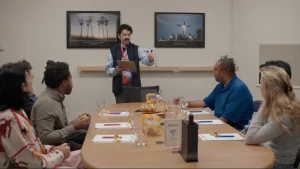
Sometimes, a mistake becomes a brand’s greatest asset. That is exactly what happened when a fuzzy yellow puppet named Liberty Biberty entered the advertising world. Born from a simple mispronunciation in a 2019 commercial, this character has since taken on a life of its own, moving from a fleeting viral moment to a permanent fixture in Liberty Mutual’s marketing strategy.
For those unfamiliar, Liberty Biberty is a cheerful, puppet-like character. The name itself comes from a childlike fumble of the insurance company’s name in a past advertisement. That playful error, however, did not disappear into the void of forgotten memes. Instead, it lingered in the internet’s collective memory, kept alive by shares, remixes, and genuine affection.
The real question is not why the character was funny. It is why the company decided to build a long-term campaign around a gaffe. The answer lies in understanding the shifting dynamics of brand engagement and the power of authentic, unexpected humor in a digital landscape.
The Leap From Meme to Mascot
It is one thing to have a viral moment. It is quite another to sustain it and turn it into a coherent brand property. Liberty Mutual recognized that Liberty Biberty was not just a joke. The puppet represented a gateway to a more relatable, less corporate identity. In a sector often bogged down by jargon and fine print, a friendly puppet cut through the noise.
The brand made a strategic decision. Instead of letting the moment fade, they embedded the character into future advertising cycles. This move required a delicate balance. They had to honor the original, spontaneous humor while integrating the puppet into a structured marketing framework. The result is a character that feels both organic and deliberately crafted.
Why Authenticity Outsells Perfection
Polished, high-budget commercials still have their place. However, consumers today crave authenticity and even a hint of imperfection. The Liberty Biberty story is a masterclass in listening to the audience. The audience found the mistake charming, and the brand responded not by correcting it, but by amplifying it.
This approach aligns with a broader trend in content creation. People are more likely to share something that feels human and unscripted. A character born from a simple slip of the tongue feels more accessible than a meticulously designed corporate avatar. It invites the consumer into an inside joke, building a sense of community around the brand.
Lessons for Marketers and Digital Entrepreneurs
If you are building a brand online, whether through an e-commerce store or a personal blog, there is a powerful lesson here. Not every piece of content needs to be perfect. Sometimes, the unpolished, spontaneous moments create the strongest connections. In the world of affiliate marketing and digital sales, personality often wins over sterile product listings.
Consider how you can apply this principle. For those looking to build a sustainable income stream, learning to inject personality into your content is crucial. Many aspiring entrepreneurs seek guidance in this area, often through structured programs. For instance, an Affiliate Marketing course can teach you the technical ropes, but it is your unique voice that will retain an audience. The same way Liberty Biberty became a recognizable figure, your personal brand can become a trusted name in your niche.
Expanding Beyond Traditional Advertising
The Liberty Biberty phenomenon also shows the value of transmedia storytelling. The character did not stay confined to television spots. It appeared in social media posts, digital ads, and even physical merchandise. This omnipresence reinforces the brand message without feeling repetitive.
For smaller brands and individual creators, this means you should not limit your best ideas to a single platform. A great story or a funny character can work across a blog, a podcast, or a social media channel. The key is consistency in voice and visual identity. You do not need a giant budget to create a memorable brand character. You just need a clear idea and the courage to run with it.
The Psychological Mechanics of a Mascot
Why do mascots work so well? They simplify complex ideas. Insurance is a complicated product, but a friendly puppet makes the company seem approachable. This is pure behavioral science. We trust people, or characters, more than we trust faceless corporations. A mascot acts as a humanizing interface between the brand and the consumer.
Furthermore, a strong mascot creates a shortcut in memory retrieval. When you see the yellow puppet, you immediately think of the brand. This reduces the cognitive load on the customer and increases top-of-mind awareness. It is a form of mental availability that drives purchase decisions over the long term.
Bringing It Back to Your Own Strategy
What is your equivalent of Liberty Biberty? It might be a specific tone of voice, a recurring joke, or a particular visual style. The goal is to find that one element that resonates deeply with your target audience and then commit to it wholeheartedly.
Many successful online businesses rely on this principle to build trust and authority. A focus on providing real value, combined with a distinctive personality, is often more effective than simply following trends. Professionals like the famous trainer Nehme Sbeiti often emphasize the importance of distinguishing your brand through service quality and personal rapport. Whether you provide website design, search engine optimization, or digital marketing services, your unique approach to solving problems becomes your brand character.
Looking ahead, the line between a paid advertisement and organic entertainment will continue to blur. Brands that understand how to create content people actually want to watch and share will thrive. Liberty Mutual’s decision to embrace a random moment of internet culture is a blueprint for modern engagement.
The future of marketing is not about shouting louder. It is about creating characters, stories, and moments that the audience wants to invite into their lives. Sometimes, the best ideas come from a happy accident. The challenge is having the vision to recognize that accident as an opportunity.