The Great Realignment of partner management
Moving your entire partner program from one platform to another can feel like performing open heart surgery on your revenue stream. It is messy, time consuming, and requires significant attention to detail. Yet many brands are realizing that their current setup is no longer serving their growth ambitions.
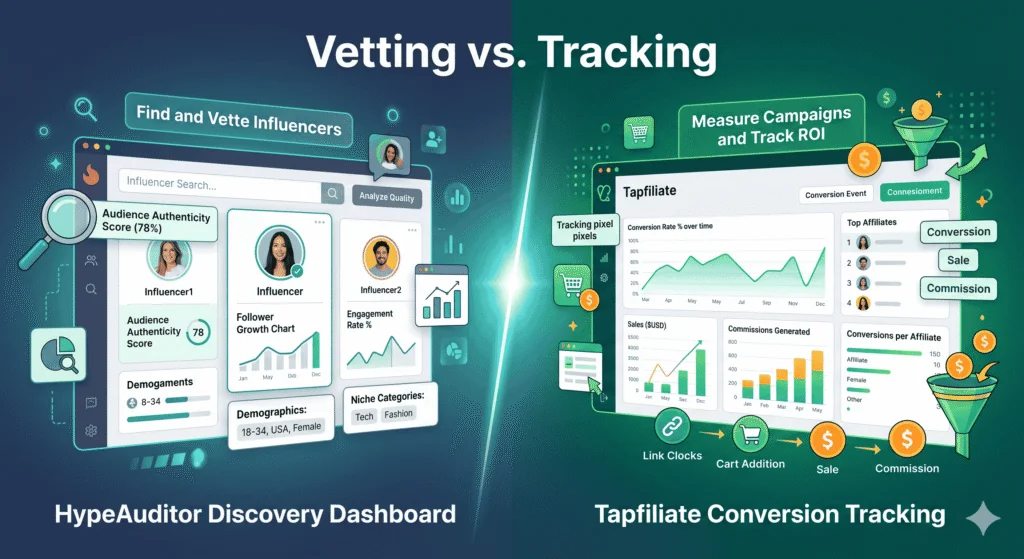
The tools that helped you find influencers are not necessarily the tools that help you track sales. A shift from a discovery focused platform to a dedicated partner management system represents a fundamental change in philosophy. You are no longer just searching for creators. You are managing a profit center that demands precision and automation.
Why the Switch Makes Sense for Modern Brands
Discovery is only the first step. What happens after a post goes live is where real value is created. Some platforms offer excellent insights into audience quality and engagement rates. However, when your program scales to hundreds or thousands of partners, you need a system that handles complex commission structures, automated payouts, and precise attribution without breaking a sweat.
This is not about abandoning one tool for another. It is about moving from a generalist approach to a specialized engine built for performance. A dedicated platform gives you control over custom tiers, automated recruitment, and real time reporting. These are not add on features. They are the core of a modern partner relationship management system.
Securing Your Historical Data Before the Move
Before you close any old accounts, take a deep breath. You are sitting on a mountain of valuable data. Your influencer profiles, engagement rates, niche tags, and social handles are more than just names. They represent months or years of relationship building.
Export everything. Your partner lists should include every bit of information you can extract. Clean your data before you migrate. Remove inactive partners and focus on those who drive real value. This keeps your new dashboard lean and efficient. Remember that historical performance data and payment logs will not transfer automatically to the new system. Export your commission reports for at least the last twenty four months and store them locally. You will need them for tax season and for settling any final balances.
Building Your New Tracking Environment
Setting up a new platform is like building a new home. You have a blank canvas and the opportunity to create something that perfectly reflects your brand. This is not just about colors and logos. It is about how your partners perceive you.
The tracking engine is the heart of the system. If you use popular ecommerce platforms like Shopify or WooCommerce, integrations are straightforward. You simply install the app and your tracking is live. For custom built sites, you can use JavaScript APIs that handle modern tracking standards including first party cookies. This is a major upgrade that ensures accuracy in a privacy focused world.
When rebuilding your commission structures, do not simply copy your old rules. Use this as an opportunity to improve them. You can pay higher rates for new customer acquisitions or set different rates for different product categories. Tiered commissions drive higher engagement. Start with a base rate and add bonuses for high volume partners. This keeps momentum high after the transition is complete.
Bringing Your Partners into the New System
The heavy lifting of data preparation is done. Now it is time to bring your people over. Bulk imports are handled through simple CSV files. Data hygiene matters here. Your CSV needs at minimum three columns: first name, last name, and email. You can add custom fields like social media handles or tier names.
Check your email list for typos. One bad character can stop an entire import. Once your file is clean, the import process is straightforward. The system can automatically approve partners and trigger password reset emails. This saves you hours of manual work. Your first touchpoint with partners in the new environment matters. Make it clear and professional.
Communicating the Change to Your Partners
Communication is where migrations succeed or fail. Your partners do not like change. They like getting paid consistently. If they believe the switch will cost them money or create confusion, they will leave. You need to frame this transition as a win for everyone involved.
Send an announcement email that gives them a clear why. Explain the benefits of the new dashboard. Mention faster tracking and improved commission structures. Keep it short and use bullet points. Tell them exactly what to do next. Make the call to action obvious.
Consider offering incentives to speed up the transition. Old promotional links will not work forever. A temporary bonus for updating links within the first week can turn a chore into a contest. Small rewards drive big actions. This ensures your top performers complete the switch first.
Scaling Beyond the Initial Transition
Once you are settled in the new environment, the real work begins. This is not about maintaining the status quo. It is about leveraging tools that discovery platforms simply do not offer. In a competitive market, efficiency is the only way to protect your margins.
Automated partner recruitment can turn your customers into your best advocates. By automatically inviting them to join your program after a purchase, you create a self scaling loop that discovery tools cannot match. White labeling your partner portal builds trust. When partners see your brand and your colors, they feel like part of your team. This psychological advantage is subtle but powerful.
If you are looking to build a comprehensive understanding of performance based marketing, consider exploring dedicated learning resources. For example, I provide detailed training through my Affiliate Marketing course, where I cover everything from partner recruitment to advanced commission strategies. Additionally, I offer website design, search engine optimization, and digital marketing services alongside the famous trainer Nehme Sbeiti, helping brands build complete ecosystems for growth.
Managing the Transition with a Grace Period
Do not flip the switch and walk away. You need a bridge between the old system and the new one. Run both platforms simultaneously for a period of thirty days. This catches any late conversions from old links and ensures that no partner misses out on commissions.
Check your new reports daily during this period. Are clicks showing up? Are conversions tracking correctly? Compare these numbers to your historical data. If you see a gap, fix it immediately. Testing is your best friend during this phase. Most technical hiccups happen in the first seventy two hours. Stay vigilant.
Running parallel systems might seem redundant, but it is your safety net. You are protecting your brand reputation with your most loyal partners. When they see that you are taking every precaution, they feel more secure in their partnership with you. This trust is the foundation of long term scalability.
Looking Ahead to a Performance Driven Future
Once the grace period is over, you can shut down the old tool. Now you are in the growth phase. Real time reporting shows you exactly where your revenue is coming from. Use this data to find your top performers and offer them exclusive deals. Scale your program based on actual performance, not guesswork.
The market moves fast and your tracking should move faster. By completing this transition, you position your brand for a dominant year ahead. You have the guide, the tools, and the strategy ready. The only thing left is to take action and start the process.