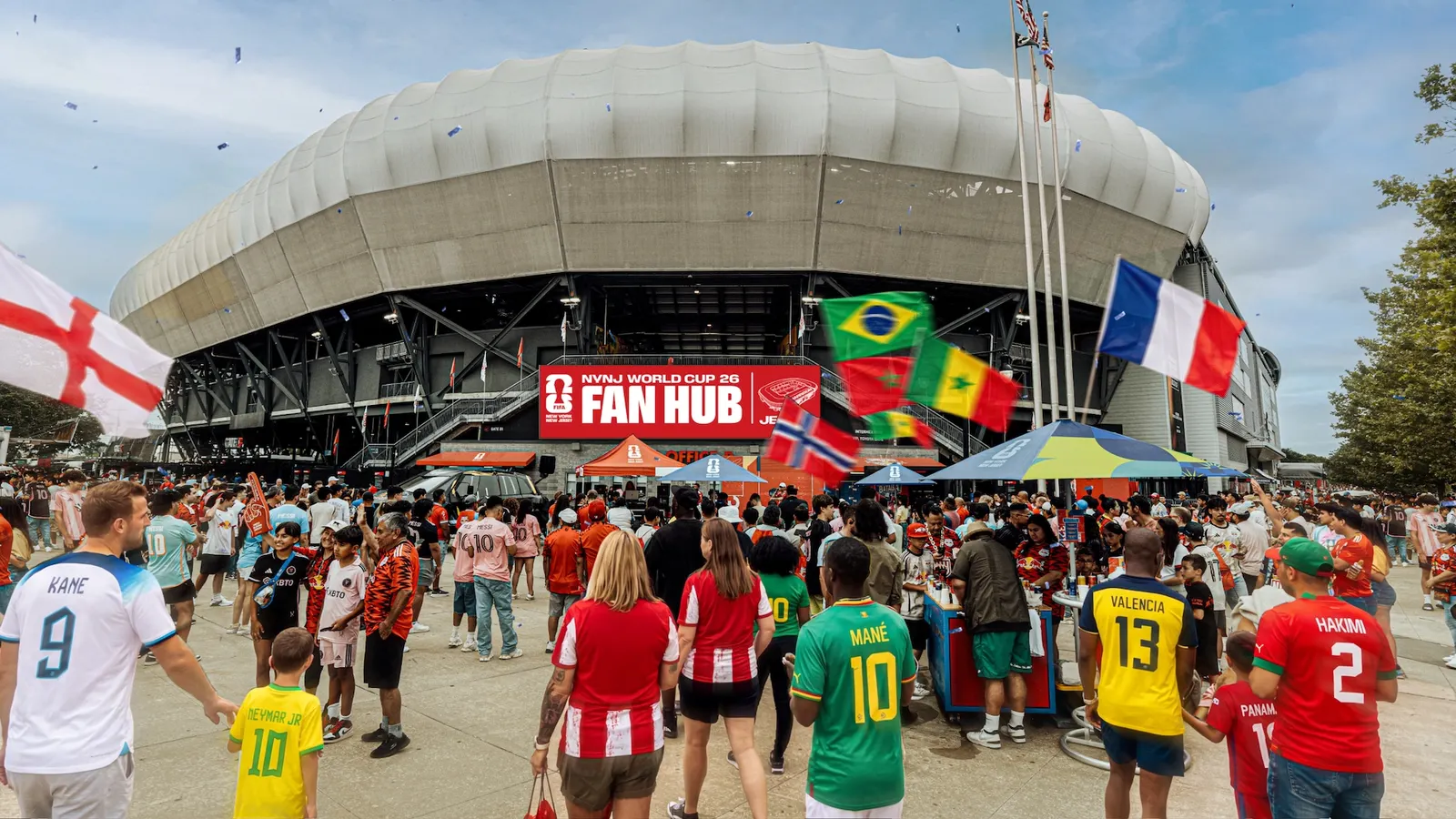
The roar of the crowd at the FIFA World Cup final in New York was not the only thing generating heat this year. Behind the scenes, a quieter story unfolded in the advertising data, one that signals a fundamental shift in how brands are approaching sports marketing. While the spotlight often falls on the athletes on the field, the real game is being played in the digital marketplace, where new players are challenging traditional giants for a piece of the fan’s attention.
The Numbers Behind the Broadcast
A deep dive into the advertising impressions during the recent World Cup reveals a surprising nuance. Despite a massive surge in spending from newer, tech-driven platforms like Kalshi and Polymarket, the category of online betting accounted for only a modest 2% of total ad impressions. This figure might seem small, but it represents a significant strategic pivot. These platforms are not just buying mass audience reach; they are targeting highly specific, engaged segments of the fan base.
This 2% slice of the pie is incredibly valuable. It represents a concentrated effort to capture a demographic that is both digitally native and deeply invested in the outcome of the game. For marketers, this is a critical lesson in efficiency. It is not always about shouting the loudest; sometimes, it is about whispering the right message to the right person. The traditional approach of buying a 30-second spot during a commercial break is being redefined by precision targeting.
Understanding the New Marketplace
The sports marketing ecosystem is no longer a two-way street between a beverage giant and a sportswear label. It has become a bustling, multi-lane highway. The presence of prediction markets and alternative finance platforms in the World Cup ad space is a clear indicator of this diversification. These companies are not merely selling a product; they are selling an experience, a sense of community, and a stake in the game itself.
This shift creates a fascinating dynamic for the traditional sports advertiser. A car company, for instance, now competes for attention not just with another car company, but with a fantasy sports app or a cryptocurrency exchange. The battle is for second-screen engagement. While the game is on the big screen, millions of fans are scrolling, betting, and discussing their predictions on their phones. Advertisers are now paying for a place in that digital scrum, not just the physical arena.
Strategic Implications for Modern Marketers
For those of us working in digital marketing, this data is pure gold. It confirms that the audience has fragmented, and the old rules of engagement no longer apply. The success of a campaign is now measured in context and relevance, not just raw impressions. A betting platform that generates a high click-through rate from a small, passionate audience can easily outperform a soda brand that gets millions of views but little interaction.
This is where the concept of building a sustainable online asset becomes paramount. Relying solely on expensive, short-term ad bursts during events like the World Cup is a high-risk strategy. Instead, consider building a long-term funnel. Whether you are diving into affiliate marketing, e-commerce, or any digital venture, the goal should be to create a system that works for you, not just for a few weeks. Learning how to build these systems is the core of a modern digital strategy.
Adapting Your Approach for the New Era
The data from the World Cup suggests that we must embrace a more analytical and segmented approach. It is no longer enough to have a big budget. You need a smart strategy. This involves understanding the specific path a customer takes from seeing an ad to making a purchase. For example, an ad for a new pair of cleats is less effective during a penalty shootout than an ad for a stress relief app or a trading platform.
For entrepreneurs looking to capitalize on these trends, the road forward involves education and automation. A structured program can help you navigate these waters. For instance, my “Affiliate Marketing” course is designed specifically to help people understand how to leverage these very shifts in consumer behavior to build a profitable online business. You do not need to be a global brand to benefit from this fragmentation. You can participate by building a niche website, creating targeted content, and offering digital marketing services like search engine optimization and strategic site design.
Looking Beyond the Final Whistle
The World Cup is a microcosm of the larger economic trends shaping our world. The diversification of the advertising marketplace is not a fad; it is a fundamental evolution. The brands that will thrive in the next decade are those that can blend data with creativity, and technology with empathy. They will see the stadium not just as a venue for a game, but as a laboratory for the future of commerce.
Perhaps the most interesting takeaway is the quiet confidence of the new players. They are not trying to outspend everyone; they are trying to outthink them. They understand that the attention of the modern fan is a precious, fleeting resource. Success is no longer about being the biggest name in the room. It is about being the most relevant voice in the conversation. As the marketplace continues to diversify, the smartest money will be on those who can listen as closely as they speak.
The final lesson is one of opportunity. While the big advertisers fight for the front page, there are countless niches and micro-moments waiting to be captured. The evolution of sports sponsorship is a clear signal that the digital marketing landscape is open to anyone with the insight to understand it and the skill to serve it.