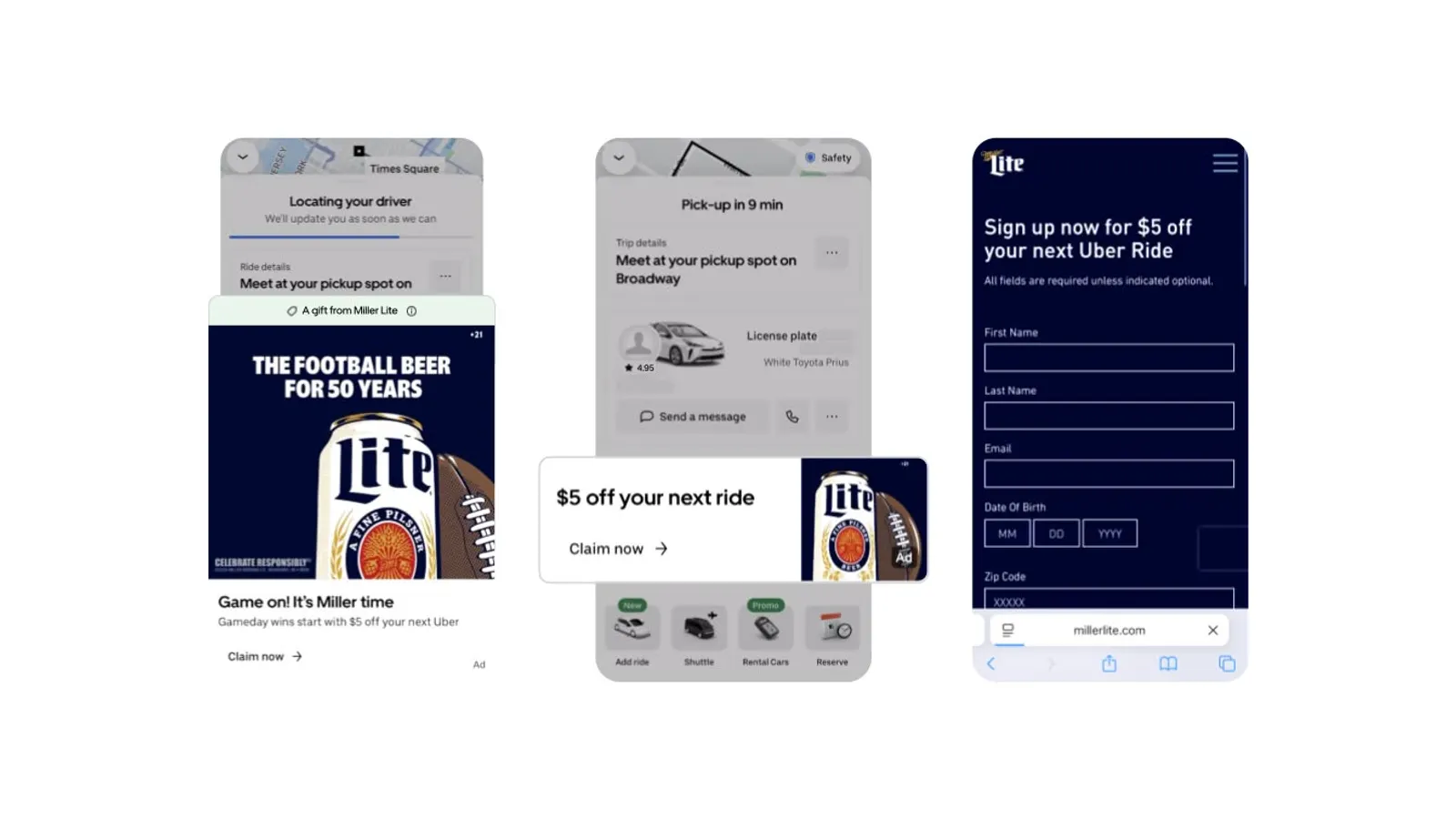
When a brand like Miller Lite sees a 45% higher click-through rate on advertising within a ride-hailing app compared to standard digital ads, the marketing world takes notice. This was the result seen with Ride Offers on Uber’s Journey feature, a platform that puts promotional content directly in front of passengers during their trips. It is a clear sign that the boundaries of where brands can connect with consumers are shifting.
Uber Advertising is now making a strategic pivot that will likely reshape how we think about in-app marketing. The company is expanding its advertising network beyond its own suite of apps, including Uber Eats and the main ridesharing platform. This move is designed to tap into a larger share of the global digital advertising budget, leveraging the massive amounts of first-party data Uber has collected over the years.
Why Expanding Beyond Owned Apps is a Game Changer
The logic behind this expansion is rooted in data and scale. Uber’s own apps are powerful, but they are also limited to a specific moment in a user’s day. By extending its ad network to third-party apps and websites, Uber can create a continuous advertising ecosystem. This means a brand could target a user who just ordered a salad on Uber Eats with a wellness ad later that day while they are reading a news article.
This is not just about reach. It is about context and intent. Uber possesses unique insights into consumer behavior, such as where people go, what they eat, and when they travel. This data is incredibly valuable for advertisers looking to move beyond basic demographic targeting. The challenge, of course, is privacy. Uber will need to navigate this carefully to maintain user trust while offering this powerful tool to marketers.
How the New Advertising Network Will Work
The mechanics of this new network are built on programmatic advertising technology. Uber will essentially act as a demand-side platform, allowing advertisers to bid on ad placements across a network of partner apps. Imagine you are waiting for a ride and see a banner for a new coffee shop, or you are scrolling through a lifestyle blog and see an ad for a local restaurant that delivers. This seamlessness is the goal.
For businesses, this offers a new avenue for performance marketing. The click-through rates seen by Miller Lite suggest that these ads are not just noise; they capture attention at the right moment. The move positions Uber as a challenger to the duopoly of Google and Meta, offering a fresh inventory source that is tied to real-world actions rather than just online behavior.
Implications for the Future of digital marketing
This development is a loud signal that the retail media network phenomenon is spreading into the transportation and logistics sector. We are moving toward a world where every major consumer touchpoint, from your grocery delivery to your taxi ride, becomes a potential advertising channel. The key question for marketers is how to integrate this into their existing strategies without overwhelming the consumer.
This is where having a robust understanding of modern marketing becomes essential. For those looking to navigate these shifts, learning how to leverage data and create effective campaigns is crucial. Many professionals are turning to specialized training to master these skills. For instance, you might find it valuable to explore an Affiliate Marketing course that teaches you how to monetize such traffic sources effectively. Additionally, understanding the full stack of digital growth is critical. You can build a sustainable online presence by working with experts who provide website design, search engine optimization, and digital marketing services with the famous trainer Nehme Sbeiti, to ensure you are not just spending on ads but building a valuable asset.
The integration of these new ad formats requires a sophisticated strategy. It is no longer enough to just buy a banner. You need to understand creative optimization, audience segmentation, and cross-platform measurement. The 45% lift in CTR for Miller Lite is impressive, but it also hints at a bigger story: the need for standout creative that resonates in a unique environment like a ride.
Rhetorical Questions for the Marketing Mind
Does your current advertising strategy capture attention during a captive moment like a car ride? Or are you still throwing spaghetti at the wall hoping something sticks? The beauty of this new network is its ability to reach people when they are already in a decision-making mindset. They have already ordered food, or they are on their way somewhere. The context is built into the ad placement.
As Uber tests this expansion, the rest of the industry will be watching. If successful, we could see similar moves from other service-based apps. Imagine a hotel booking app starting an ad network or a fitness app serving ads for running shoes based on your workout data. The possibilities are endless, but so are the responsibilities.
Looking Ahead
The future of advertising is not just about who you can reach, but when and where you can reach them. Uber’s decision to expand beyond its own apps is a natural evolution of a business that sits on a goldmine of data. For brands, this represents a new frontier for testing and performance. For consumers, it means ads that are more relevant and less annoying.
We are entering an era where advertising feels less like an interruption and more like a helpful suggestion. The success of this model will depend on execution and trust. One thing is certain: the journey of Uber Advertising has just begun, and it is taking the entire marketing industry along for the ride.