Imagine you own a small ramen shop. You know your noodles are incredible. Yet somehow, even with the best broth in town, new customers just are not walking through the door. This is the classic challenge of modern marketing: you have a great product, but you can’t scale your reach without burning cash. DoorDash is betting it can solve that problem for both restaurants and packaged goods companies with a significant update to its advertising platform.
A series of recent announcements reveal a clear strategy for DoorDash Ads. The platform is evolving beyond simple in-app promotions. The goal is to become a full-fledged advertising powerhouse that connects digital visibility with real-world purchases. By linking up with data connectivity platforms and introducing premium ad formats, DoorDash is positioning itself as a serious contender in the race for offsite reach.
Expanding Reach Beyond the Delivery App
The heart of this upgrade is a new partnership focused on data connectivity. This collaboration allows advertisers to measure the effectiveness of their campaigns across the open web. It is no longer just about someone ordering Thai food through the DoorDash interface. Now, a consumer might see a display ad for a specific brand of sparkling water on a news website, click it, and later find that same product recommended on their DoorDash app. The connection between the impression and the purchase becomes trackable and clear.
For CPG (consumer packaged goods) brands, this is a game changer. Previously, these companies relied heavily on in-store promotions or broad digital campaigns with fuzzy attribution. Now, they can see exactly how an online ad drives an actual purchase of their soda or frozen pizza through a delivery service. This kind of closed-loop measurement is what advertisers dream about. It connects the dots from a click on a banner to a barcode being scanned for delivery.
New Premium Ad Formats for Better Engagement
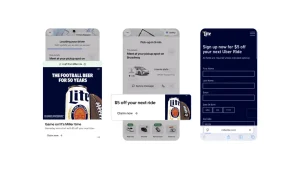
Beyond just measurement, DoorDash is rolling out fresh, premium ad formats. Think of these as the digital equivalent of prime shelf space at the grocery store. Instead of just a simple logo, brands can now use rich media units, video snippets, and sponsored product listings that pop up during the browsing flow. These formats are designed to catch the eye without being intrusive.
One interesting example is the “Sponsored Listing” format for restaurants. A small pizzeria can bid to appear at the top of the search results when someone types “dinner” or “pizza.” This increases discoverability for local businesses that might otherwise get lost in a sea of options. For CPG brands, there are “Digital Storefront” ads that look like a virtual shelf, allowing users to browse a brand’s entire catalog within the delivery app. It is like having a mini grocery aisle dedicated to one company.
The Strategic Implications for Restaurants and Brands
This move is not random. DoorDash is responding to a massive shift in consumer behavior. People are not just searching for food; they are searching for convenience and discovery. The average user might open the app with no specific idea of what to eat. Advertisers can shape that decision. This is where the concept of “commerce media” comes into play. It is the idea that the marketplace itself becomes a media channel.
The strategic implication for a local restaurant owner is profound. You no longer need a massive agency budget to compete. By using these self-serve advertising tools, a mom-and-pop shop can target specific zip codes or even specific competitor locations. For example, you could run an ad that shows up for anyone searching within a mile of your main rival. It is targeted, efficient, and measurable.
Connecting Digital Ads to Real World Sales
The core of the upgrade lies in the data partnership. It enables what marketers call “omnichannel measurement.” This means a brand can track a customer’s journey from a social media post to a website visit, and finally to a DoorDash order. It solves the age-old problem of attribution. Did the customer buy the chips because of the TV ad, the billboard, or the targeted offer on their phone? With this system, the answer becomes much clearer.
This level of insight is invaluable for companies that are trying to optimize their marketing spend. If you know that a particular display ad on a blog resulted in ten times the return on investment compared to a generic banner on a portal, you would shift your budget instantly. That is the power of connected data. It turns advertising from a guessing game into a science.
What This Means for the Future of Advertising
We are witnessing a convergence of retail, media, and data. DoorDash is not just a delivery company anymore. It is a data broker and an ad network. For marketers, this means more opportunities but also more complexity. You need to understand how to bid for terms, how to segment audiences, and how to measure performance across different channels.
Learning to navigate these modern marketing ecosystems is crucial for anyone looking to build a career or a business online. Whether you are promoting a physical product through a delivery app or building an affiliate site for digital goods, the principles of targeting and measurement remain the same. For those serious about mastering these skills, I highly recommend exploring the Affiliate Marketing course available with renowned trainer Nehme Sbeiti. It provides a practical framework for understanding traffic, conversions, and the technical setup needed to profit from digital ads, website design, search engine optimization, and comprehensive digital marketing services.
Ultimately, DoorDash is proving that advertising is no longer a separate activity from the point of sale. The line between browsing and buying evaporates when the ad is served inside the same app where the transaction happens. For the savvy marketer, this is not just a trend. It is the new reality of e-commerce. The brands that embrace these tools early will be the ones that own the digital shelf space of tomorrow.