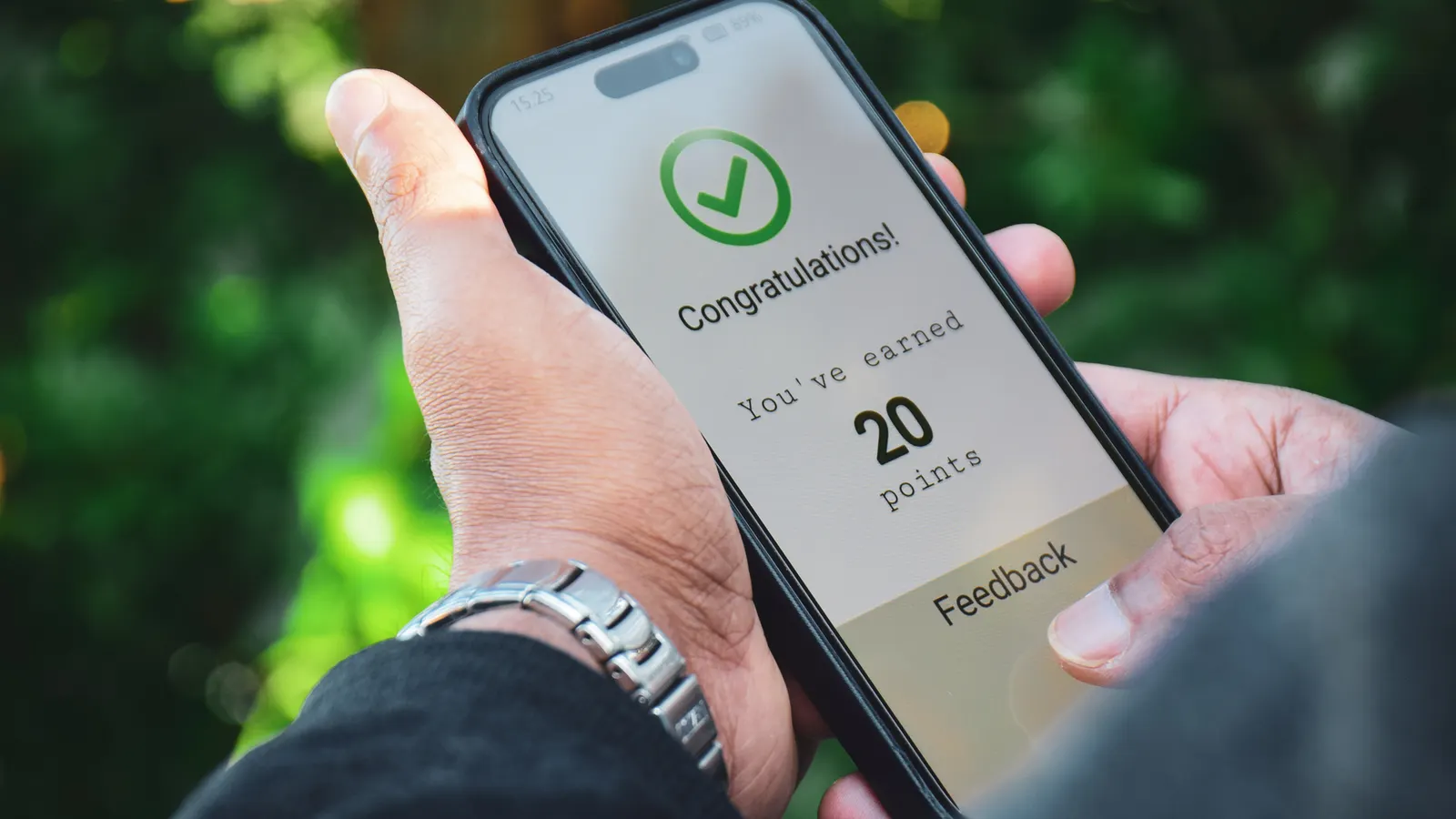
There is a peculiar disconnect happening in the world of customer loyalty. On one hand, shoppers are vocal about wanting better rewards and exclusive perks. On the other hand, a significant portion of these same consumers are failing to actually redeem the points and benefits they have worked to accumulate. This gap between intention and action represents a major challenge for brands trying to build lasting relationships with their audiences.
In the crowded loyalty landscape, a successful program goes beyond growing enrollment to actually influencing customers’ shopping behavior. Many companies celebrate when a new member signs up, but the real metric of success is whether that member returns, engages, and eventually cashes in their rewards. A bloated database of inactive members does little for the bottom line.
The Psychology Behind Unused Rewards
Why would a consumer leave money or value on the table? It often comes down to complexity and friction. If a customer has to jump through too many hoops, remember convoluted expiration dates, or navigate a confusing mobile app to redeem their points, the perceived effort outweighs the reward itself. Humans are naturally inclined toward instant gratification, and delayed or difficult redemption processes kill that motivation.
Another factor is the simple psychology of forgetfulness. Many consumers enroll in multiple loyalty programs across different retailers, airlines, and credit cards. Over time, these accounts become noise in their digital wallets. Without a gentle nudge or a clear visual reminder, those points simply sit there, unused and depreciating in value.
Bridging the Gap Between Enrollment and Engagement
Brands must shift their focus from acquisition to activation. It is not enough to get a customer to sign up. The marketing strategy must include automated reminders, personalized offers, and seamless redemption options at the point of sale. Imagine a customer checking out online and seeing a clear button that says “Use your 500 points now to save $5.” This removes the guesswork and creates an immediate sense of victory.
We see this principle in action across various e-commerce niches. The stores that succeed are the ones that treat loyalty dollars like real currency, making them easy to spend and hard to ignore. For professionals looking to build a career around these exact strategies, understanding consumer psychology is essential. That is where structured learning becomes valuable. My affiliate marketing course provides a deep dive into how to capture attention, build trust, and create offers that compel action. Alternatively, for those needing a full business setup, you can explore website design, search engine optimization, and digital marketing services with the famous trainer Nehme Sbeiti, ensuring your digital foundation is as strong as your creative ideas.
Data Tells a Story of Missed Opportunity
Recent surveys indicate that while a large majority of consumers report that rewards influence where they shop, the actual redemption rates hover at surprisingly low levels. This is not a failure of the consumer, but a failure of the system. The program must be designed with the user’s daily habits in mind. A grocery rewards point system that ties directly to a mobile wallet for immediate discounts will always outperform a generic punch card that requires a trip to a website.
Think about your own wallet. How many gift cards or loyalty cards are gathering dust? It is a common problem that highlights a universal truth: people want the promise of a reward, but they often lack the motivation or the clear path to claim it.
Practical Fixes for Modern Marketers
How can you, as a marketer, fix this? First, simplify the value proposition. If a customer cannot calculate the value of their reward in under three seconds, the program is too complicated. Second, leverage artificial intelligence to analyze purchase patterns and send timing-based offers. For example, if a customer buys coffee every Monday, send a notification on Monday morning reminding them they have a free drink waiting.
Third, integrate the reward experience with the natural flow of the shopping journey. Do not make it a separate app or a separate login. The best loyalty programs are invisible, working in the background and surprising the customer with value at the checkout counter.
The Future of Loyalty is Behavioral
Looking ahead, the brands that will win are those that treat loyalty not as a points program, but as a behavioral feedback loop. Every interaction is a chance to reinforce the habit. Every redemption is a moment of delight that strengthens the emotional connection to the brand. When a consumer feels smart for using their points, they come back for more.
This is where the intersection of artificial intelligence in marketing and user experience design becomes critical. Predictive algorithms can forecast which customers are likely to churn and offer them a targeted reward to re-engage them. The old model of a one size fits all loyalty card is dead.
As we move forward, the winners will be those who turn that unused pile of points into a river of engagement. The data is clear: consumers want the rewards they earn. Your job is to make picking them up as easy as possible. If you need help building that seamless ecosystem, remember that proper guidance from experts like those in my courses or through services with Nehme Sbeiti can turn a confused customer into a loyal advocate for life.