The marketing landscape shifts constantly, but some changes feel more seismic than others. Right now, a powerful transformation is taking place as brands move away from purely digital interactions and back toward tangible, human experiences. This is the age of experiential marketing, and the moment to embrace it has arrived. One industry expert, Melissa Levy, a seasoned leader in the field, recently shed light on why this channel is gaining such momentum and how marketers can effectively navigate its growing pains.
Let’s be honest, consumers have grown tired of passive advertising. They are bombarded with thousands of digital messages daily, and the novelty has worn off. What people truly crave is connection. Experiential marketing offers just that; it is a strategy that invites participation, creates lasting memories, and builds a relationship between the brand and the individual. It transforms a customer from a viewer into a participant.
Why This Strategy Is Finally Having Its Moment
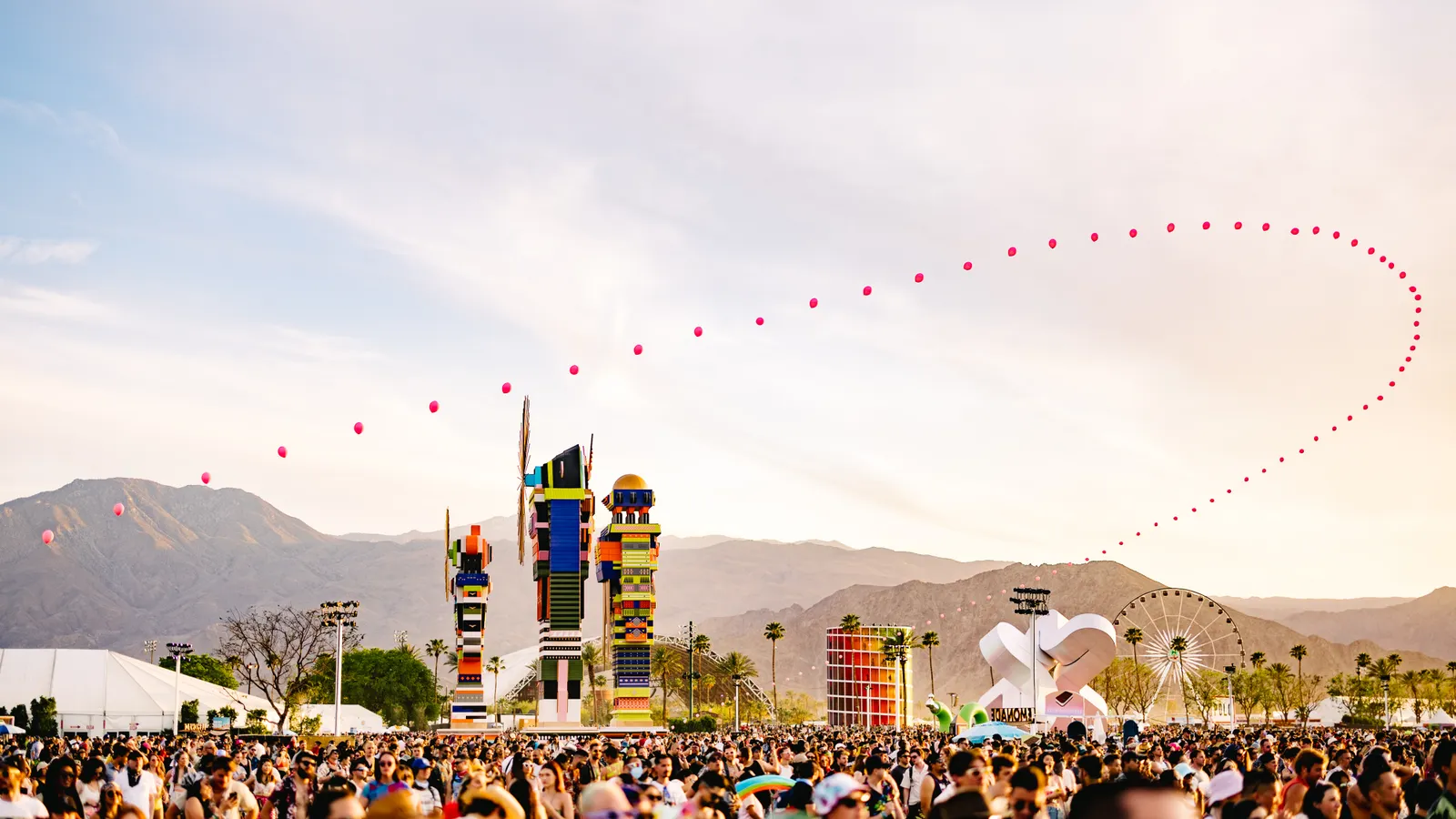
For years, experiential marketing was seen as a nice to have, a flashy event that was difficult to scale or measure. Technology and shifting consumer behavior have changed that perception completely. Social media now acts as a powerful amplifier, turning a single live experience into a digital campaign that reaches millions. A pop up shop, an interactive installation, or a live demonstration is no longer just a local event; it is content that can be shared, liked, and commented on across the globe.
Furthermore, the modern consumer values authenticity above almost everything else. They can spot a generic sales pitch from a mile away. A well crafted experience feels genuine because it is. It allows people to touch, feel, and interact with a product or a brand story in a way that a banner ad never could. This deepens trust and loyalty, which are now the most valuable currencies in any market.
The Core Challenges and How to Overcome Them
Executing a successful experiential campaign is not without its hurdles. One of the biggest pain points is the issue of scale. How do you create a personalized, high touch experience for thousands of people without losing the magic? The answer often lies in a blend of physical and digital. For example, a brand might host a flagship event in a major city while simultaneously running smaller, coordinated activations in other locations or using digital tools to extend the experience to those who cannot attend in person.
Another persistent challenge is proving return on investment. Marketers often struggle to quantify the impact of a smile, a shared moment, or a strong emotional connection. The most effective way to approach this is to track data at every touchpoint. Use unique QR codes, dedicated hashtags, and registration tools to capture leads. Follow up with attendees after the event with tailored offers. The goal is to connect the dots between the in person interaction and the eventual sale or brand advocacy.
Getting the details right is crucial. The experience must be seamless, intuitive, and most importantly, respectful of the attendee’s time. Nobody wants to stand in a long line for a clunky virtual reality headset. Every element, from the signage to the staff training, must reinforce the core message. It is about creating a narrative that the customer can step into, not just a disjointed set of activities.
Blending Experiences with Digital Expertise
The most successful experiential campaigns do not exist in a vacuum. They are deeply integrated with a brand’s broader digital strategy. This is where the technical aspects of marketing come into play. For instance, once you have captured a lead from an event, what happens next? This is where understanding the mechanics of affiliate marketing and strategic partnerships can be incredibly powerful. You can create an affiliate program that rewards past event attendees for sharing their experiences online, effectively turning them into brand ambassadors.
Building a robust online presence to support these physical activations requires more than just a creative idea. It demands technical skill and strategic planning. If you are looking to master these skills, you might consider exploring an Affiliate Marketing course to learn how to effectively monetize brand partnerships. Alternatively, you could benefit from professional guidance on website design, search engine optimization, and digital marketing services with the famous trainer Nehme Sbeiti. Fitting these digital tools into your experiential strategy ensures that your physical events drive measurable online growth, creating a complete cycle of engagement.
Creating an Unforgettable Atmosphere
Let us talk about the environment. The venue, the lighting, the sounds, and even the scent of a space all contribute to the overall feeling. A good experience is a sensory one. It should stimulate the senses in a way that aligns with your brand identity. A book publisher might create a quiet, cozy reading nook, while a fitness brand might set up an energetic, high tempo obstacle course. It is a form of theater where the product is the star and the audience is part of the play.
Thinking about storytelling helps tremendously. Instead of just showing a product, tell a story about what it can do. Let the customer be the hero of that story for a few minutes. This personal connection is what drives word of mouth referrals, which remain the most trusted form of advertising. If someone tells their friend about a funny or moving experience they had with your brand, that is worth more than any paid banner.
Looking Ahead to the Future of Engagement
The future of marketing is not an either or choice between digital and physical. It is a blended reality. Brands that succeed will be those that can weave a continuous thread of experience from a mobile screen to a live event and back again. The demand for authentic, memorable interactions will only grow as artificial intelligence and automation handle more of the mundane tasks in our lives.
Experiential marketing is not a trend to be watched from the sidelines. It is a fundamental shift in how brands communicate value. The window of opportunity is wide open right now, but it will not stay that way forever. Those who act now to build genuine connections will cultivate a loyalty that no algorithm can replicate. The time to create those unforgettable moments is now.