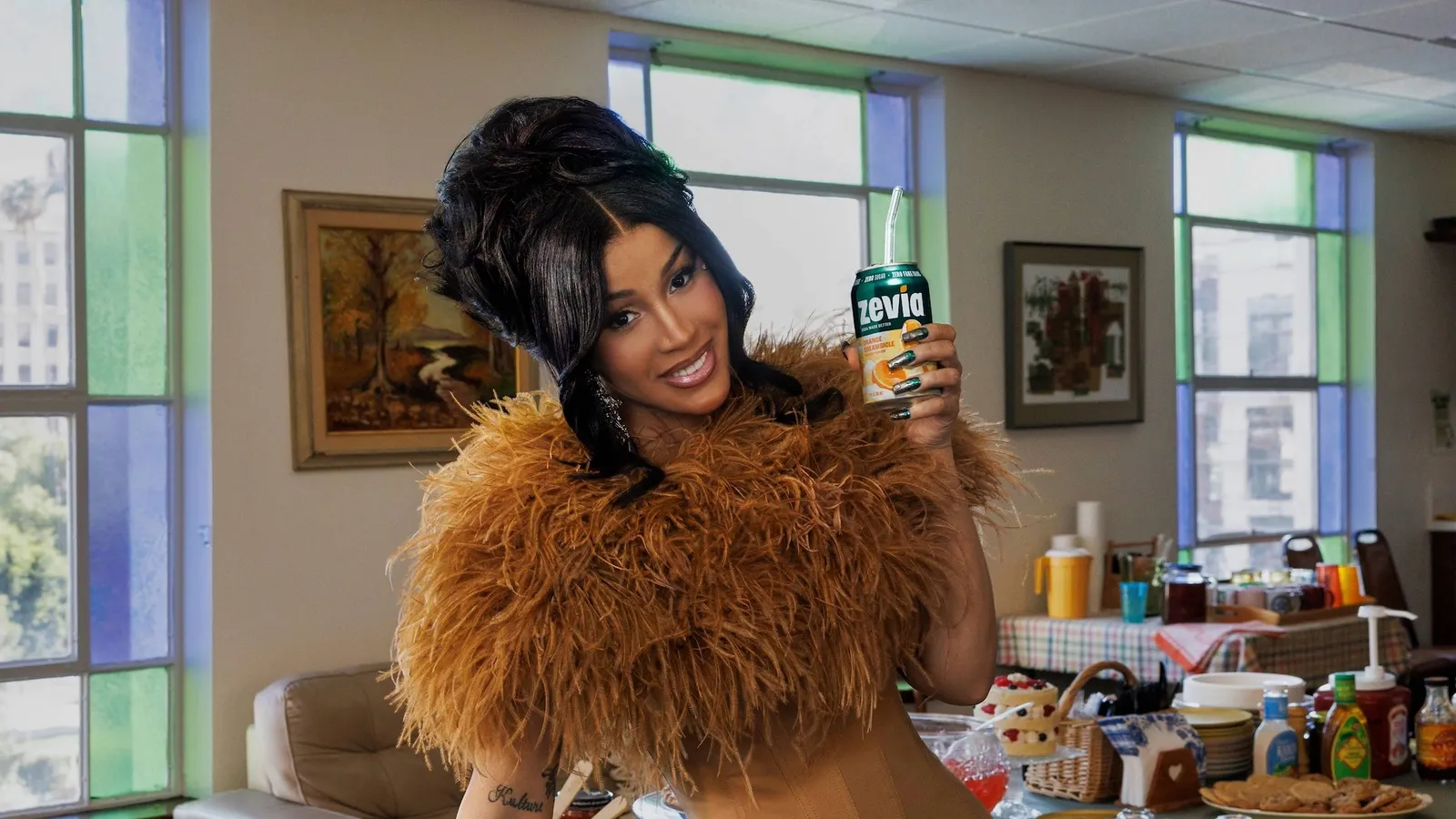
The beverage landscape is littered with empty promises and overly sweetened pitches. But every so often, a brand decides to cut through the noise with a voice that cannot be ignored. Zevia, the zero-sugar soda company, has done exactly that. By tapping the unfiltered energy of rapper Cardi B, the brand is launching its most ambitious campaign to date, one that is less about selling a drink and more about starting a conversation.
This move is not just a celebrity endorsement. It is a strategic bet on authenticity in an era where consumers can smell a fake marketing pitch from a mile away. Cardi B, known for her candid and often blunt public persona, is being used as a vehicle for “real talk.” The campaign aims to shore up Zevia’s core positioning around being “refreshingly real,” a message that needs more than just a pretty logo to land in today’s cluttered digital world.
Why Cardi B Fits the Brand’s Core Message
Let’s be honest for a moment. Most celebrity partnerships feel like a contractual obligation. A star holds a can, smiles, and collects a paycheck. Zevia is trying to break that mold by letting Cardi B say what people are actually thinking. The rapper offers an unfiltered take on what people are really trying to say when they reach for a healthier option. She is not pretending that giving up sugar is easy or that diet culture is fun.
This approach leverages what marketers call “perceived congruence.” When a brand’s values match the personality of the spokesperson, the message feels seamless. Cardi B’s history of being brutally honest about her own struggles and successes makes her the perfect translator for a brand that wants to ditch the sugary hype. It is a calculated risk that could pay off handsomely in terms of brand recall and emotional connection.
The Mechanics of “Refreshingly Real” Marketing
The campaign is designed to be more than a single commercial. It is a full-blown narrative that plays out across social media, streaming platforms, and likely a few surprise appearances. Instead of focusing on the product’s ingredients list (which is impressive for a zero-sugar drink), the ads focus on the emotional payoff of choosing something better without feeling deprived.
Think about the last time you watched a soda ad. It was probably full of laughing people on a beach. Zevia is trying to replace that generic joy with a specific, sharp, and memorable dose of reality. Cardi B’s role is to call out the industry’s typical sweet talk. If you have ever rolled your eyes at a diet soda commercial that felt too perfect, this campaign is designed to wink at you.
For creators and entrepreneurs looking at this model, the lesson is clear. The product is secondary to the story. People buy into identity before they buy into ingredients. If you are building a brand, whether it is a beverage or a digital service, your voice needs to be as distinct as Cardi B’s. This is where many small business owners get stuck. They have a great product but a generic voice.
Applying This Insight to Your digital strategy
You do not need a Grammy winner to make your brand feel real. You need a clear message and a channel to share it. Many of our readers are involved in affiliate marketing or e-commerce. The principle of authenticity applies the same way. If you sell a course or a tool, your marketing should not sound like a script. It should sound like a conversation.
If you want to learn how to build a marketing strategy that feels as personal as a direct message from a friend, you might find value in studying how brands like Zevia structure their campaigns. We teach these exact frameworks in our Affiliate Marketing course, where we break down how to match personality with product. Alternatively, if you are looking to overhaul your entire digital presence, we provide website design, search engine optimization, and digital marketing services with the famous trainer and strategist Nehme Sbeiti. The goal is always to help you find your own version of “refreshingly real.”
The Strategic Implications for the Beverage Industry
Zevia is not the only player in the zero-sugar game, but they are making a loud play for cultural relevance. By using a figure as polarizing and dynamic as Cardi B, they accept that not everyone will love the campaign. That is the point. A brand that tries to please everyone often pleases no one. This campaign is designed to deepen loyalty among existing fans while attracting new ones who are tired of the “fake it till you make it” approach to wellness.
The music industry and the beverage industry have always been intertwined, but this partnership feels different. It is less about a soundtrack and more about a shared worldview. Cardi B’s rise to fame is a story of raw talent and refusing to conform. Zevia is betting that same spirit will make their cans more exciting. This is a high stakes bet. If it works, it sets a new template for how to use celebrity partners not just as faces, but as voices.
What Happens After the Hype Fades?
The real test of any major campaign is the retention rate. Will people buy Zevia because Cardi B told them to, or will they stay because they genuinely prefer the taste and the message? The campaign has to convert the initial curiosity into a habit. This is the challenge of every marketing push. You drive the traffic, but you need a solid product and a consistent experience to keep them.
For the digital entrepreneur, this is a reminder that the advertisement is just the beginning. The true value is in the follow through. Whether you are promoting a new app or a physical product, the voice you use in the marketing must match the experience you deliver. Do not overpromise the “realness” if your service feels robotic.
A Forward Looking Insight
As artificial intelligence continues to reshape how we target ads and analyze data, the demand for genuine human connection is only going to increase. Algorithms can optimize for clicks, but they cannot replicate the feeling of listening to an unfiltered artist tell you the truth about sugar. Zevia’s partnership with Cardi B is a powerful reminder that in the future of marketing, technology handles the logistics, but humanity handles the heart. The brands that win will be the ones that learn to speak to us, not at us, with a voice that sounds refreshingly real.