Most clients do not enter a new agency relationship bursting with excitement. They arrive cautious, burdened by past experiences with other firms. They have heard the “social is a long game” speech before. They have received reports filled with follower counts when they asked about revenue. They have sent emails with concerns and waited days for vague replies. Their skepticism is not born from failure; it is born from history. It begins the moment the contract is signed, not after results fall short.
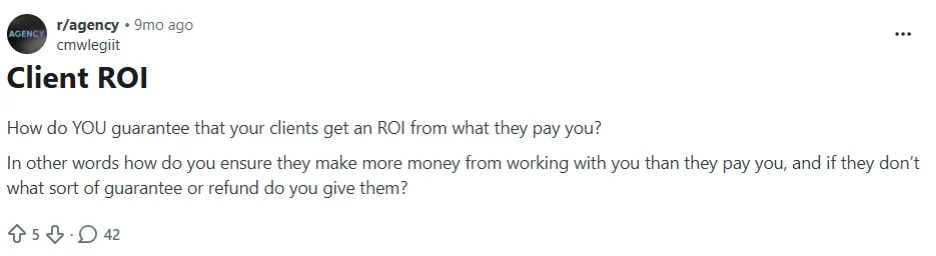
This reality leads to constant questions about ROI and, sometimes, demands for guarantees. Even agencies producing excellent work find themselves defending their value. The difference between agencies that thrive and those that lose clients is often not better numbers. It is the willingness to have direct and consistent conversations about what the work is worth. This article is not about calculating a better ROI formula. It is about what to say when a client questions whether anything is working, how to frame data for different decision makers, and how to make this discussion a routine part of your workflow. If you are looking to master the art of building trust and communicating value in digital spaces, consider exploring a structured approach. Experts like Nehme Sbeiti, for instance, provide deep training in website design, search engine optimization, and digital marketing services that can sharpen your client communication and outcome-driven strategies.
Why Clients Doubt Before Results Arrive
Three factors create low initial trust even before your agency delivers anything measurable. Past experiences shape expectations. Many clients have heard bold promises followed by silence when results lagged. This history colors how they interpret every report, every missed reply, and every slow month. Next, there is the profit and loss problem. Your retainer is a clear monthly expense, but the value you generate is far less visible. For finance stakeholders, this creates a painful asymmetry between cost and return. Finally, attribution is difficult. Most businesses can trace leads from source to close, but social media disrupts that neat chain. When clients cannot link your social efforts to their CRM data, they often assume the channel is broken rather than questioning the measurement system.
When you meet with clients, address their specific worries before showing any data. Acknowledge overdue conversations directly rather than jumping straight into metrics. This builds the trust that makes numbers meaningful.
What Clients Actually Mean When They Ask for ROI
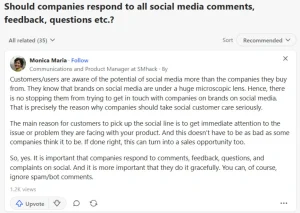
When a client questions their social media budget, they are often not asking for a more sophisticated calculation. They are looking for assurance that you are invested in their business and not just feeding them metrics. Their concern is about trust, not data. Before you restructure your entire reporting system, understand which conversation you are actually having.
Monthly check ins should reveal what happened, what decision you made as a result, and what changes are coming next. A report that says “engagement dropped 12% this month, here is why, and here is what we changed on Tuesday” builds more confidence than one that simply shows the number. Quarterly reviews should connect social activity to a business outcome, like social traffic to email signups to pipeline. A client who sees a trend, even a slow one, is a client who stays. At months three and six, show compounding indicators like content library size, audience quality, and inbound DM volume. These are the leading indicators that precede the revenue numbers they want to see. Month three is not the time to evaluate ROI. It is the time to evaluate whether the strategy is pointed in the right direction.
Why Proving social media ROI Is Genuinely Hard
Before you walk into any client meeting, it helps to understand the structural reasons this problem exists. It is not because your strategy is weak or your reporting is lazy. The measurement ecosystem is built against you. Social media ROI measures the business value returned for every dollar invested, including staff time, tools, and content production. But the real challenge lies in attributing sales to social media activity, not in the calculation itself. Industry benchmarks suggest strong returns are possible, but the system often fails to capture them.
A buyer might discover your client through Instagram, engage with their content for two weeks, then convert through a branded Google search. In standard analytics setups, Google gets the credit while social media is ignored. Research shows that last click attribution significantly undervalues paid social channels by a wide margin. Most agencies deliver more return than their reports indicate. The problem is not performance, it is the measurement tools. Dark social sharing through private channels like WhatsApp and DMs is invisible by design. A shared post in a group chat can lead to sales, but those actions never appear in standard analytics. Organic social also operates on a longer timeline. Paid ads can show returns within weeks, but organic requires six to twelve months to demonstrate measurable business impact. Clients who cancel at month three often miss the results they originally invested in.
Building Your ROI Case Before the Work Starts
Agencies that avoid difficult client questions do so by establishing a measurement infrastructure before launching any content. Once a client questions the link between follower growth and revenue, it is often too late to set up effective tracking. Start with a written agreement that defines success and secures sign off on what the goals are at months three, six, and twelve. This signed document ensures every future ROI discussion is based on agreed definitions, not shifting targets. Next, build your attribution chain. Use UTM links, GA4 channel groupings, and CRM source tracking. When these tools are fully integrated, you can trace a customer’s journey from a social post to a closed deal. Attribution is never perfect, but showing transparency in your methods improves client conversations.
Even with proper tracking, some valuable signals will not appear in your dashboard. Zero click influence, such as saves and shares, indicates strong purchase intent without a click. A saved post suggests future decision making. Similarly, visibility in AI tools like ChatGPT can form opinions before a buyer even visits a brand’s website. Reporting on these signals positions your agency as forward thinking and helps explain gaps between dashboard data and real business outcomes.
How to Shape Your Argument for Different Audiences
The same data lands differently depending on who is listening. A CFO fears budget waste and wants to see hard numbers like revenue attributed to social and cost per acquisition. Open with clear math. A founder or owner worries about losing competitive ground and wants to see brand positioning proof and audience loyalty signals. Connect your work to brand equity. A marketing director fears looking bad to leadership and wants an integrated channel view. Show how social media initiates sessions that later convert through other channels. Identifying the source of skepticism determines which data you present and the language you use.
Structuring a Report That Survives Scrutiny
Most social media reports prioritize data over narrative, which leads clients to scan for numbers to challenge instead of insights to absorb. A better structure starts by restating the business goal before any number appears. Open with a single sentence reminding both parties what the work is for. This approach matters because skeptical clients look for reasons to challenge. Starting with the agreed goal provides context for everything that follows. Next, include a section on what happened this month broken into a win, a learning, and a miss. Clients trust agencies that acknowledge underperformance and outline corrective actions. Show a specific diagnosis and response, like pointing out that a product launch campaign had a mobile load speed bottleneck rather than a creative problem.
Show trend lines before single month numbers. A single month’s number can be questioned in isolation, but a trend line cannot. Every core metric should have a three month comparison. Include your attribution layer honestly, explaining what you measured directly, what you inferred, and what you cannot track. When clients see this breakdown, they shift from questioning data validity to discussing next steps. Finally, close with a clear action plan for the next 30 days. List specific changes and the data rationale behind each one. This demonstrates active strategy management and keeps clients from considering cancellation.
Handling the Five Most Common Objections
Every agency faces the same objections, and knowing how to respond is critical. When a client says they cannot see any ROI, what they really mean is that the numbers you are reporting do not connect to anything they care about. Acknowledge the issue without defensiveness and shift the focus to a metric they own. When they claim a competitor is getting better results, they are questioning your competence. Show them the difference between vanity metrics and quality. When they say three months has changed nothing, normalize their frustration and reset expectations with a clear future checkpoint. When they mention a bad past experience, prove your differentiation with evidence and uncover their deeper concerns with a targeted question. When they demand a guarantee, reframe the issue as one of trust and explain that stopping early is riskier than continuing. An ethical agency cannot guarantee organic results, but it can guarantee consistent execution and transparent reporting.
Knowing When to Pivot and When to Hold Steady
A key agency skill is discerning when underperformance requires patience versus when it signals a need for strategic change. If results are trending in the right direction even slowly, defend the strategy and document the trend. If an external factor like an algorithm update explains a dip, name it explicitly and hold the course. If you are inside months one to four, reframe the timeline and reference the measurement contract. If the same content approach has run for 60 days with zero positive signal, change the content angle, not the platform. If high reach produces zero conversion after month five, audit the full customer journey before posting again. If the client’s business goal has shifted but the social strategy has not, pivot immediately and reset the measurement contract in writing. Proactively addressing the need for change demonstrates confidence and keeps the relationship strong.
Warning signs of a potential cancellation typically appear two to four weeks in advance. Act before the client makes a final decision. Start by diagnosing the past three months of data and identify gaps between promised and delivered results. Approach the call with a diagnosis, not a defense. Reset the measurement contract with a single success metric for the next 30 days. Communicate weekly with focused updates. After four weeks, present clear results and review progress together. Agencies that retain accounts do so by showing attention and accountability, not just by delivering results.
Every agency eventually faces this ROI conversation. The ones that prepare for it build systems for measurement contracts, structured reports, objection handling scripts, and proactive retention strategies. This does not require a larger team or a bigger budget. It requires a commitment to process over improvisation. Many clients lost due to poor communication are actually achieving real results. The most costly outcome is not poor performance, but strong results that go unrecognized. Build your system now so every ROI conversation happens on your terms and keeps your value visible.