Every month brings a fresh batch of data, but May offered some particularly telling figures for anyone tracking the pulse of modern marketing. While the headlines buzzed with the usual noise, a few numbers quietly revealed where the industry is headed. These metrics touch on brand investment, media consumption, and the creeping influence of artificial intelligence. Let us pull them apart and see what they actually mean for marketers, entrepreneurs, and anyone trying to make money online.
Kraft Heinz Sees a Real Marketing Payoff
The first number comes from a household name that has spent years trying to reinvent itself. Kraft Heinz reported a significant uptick in returns from its marketing spend, a figure that many analysts pointed to as a sign of genuine brand revival. After a period of cutting costs and fighting retail price wars, the company doubled down on creative campaigns and strategic partnerships. The result was not just a blip in sales but a measurable lift in customer sentiment and repeat purchases.
This matters because it challenges the old assumption that marketing is a cost center. When executed with consistency and genuine consumer insight, it acts as a real growth engine. For smaller operators in the e-commerce space or those dabbling in affiliate marketing, the lesson is clear. You do not need a billion dollar budget to see a payoff. You need a clear message, a targeted audience, and the patience to let the campaign breathe. Even a modest effort, when aligned with what people actually want, can move the needle.
The Hidden Lesson in Brand Investment
The Kraft Heinz data also highlights something about timing. Many brands pull back on marketing during economic uncertainty, but the ones who keep spending often emerge stronger. This is not reckless optimism. It is a calculated bet that attention is cheaper when others are silent. Whether you are promoting a physical product or a digital course, the principle holds. If you stop showing up, someone else will take your seat. The numbers from May suggest that the brands that kept their foot on the gas are now reaping the benefits.
Of course, spending more is not enough. You have to spend smarter. This is where understanding your funnel and your audience becomes nonnegotiable. If you are serious about building a sustainable online business, you might want to explore a structured approach to this. For instance, my Affiliate Marketing course breaks down how to allocate a modest budget across platforms for maximum return. It is a framework that works whether you are selling your own products or earning commissions on someone else’s.
Netflix Expands Its Advertising Slate
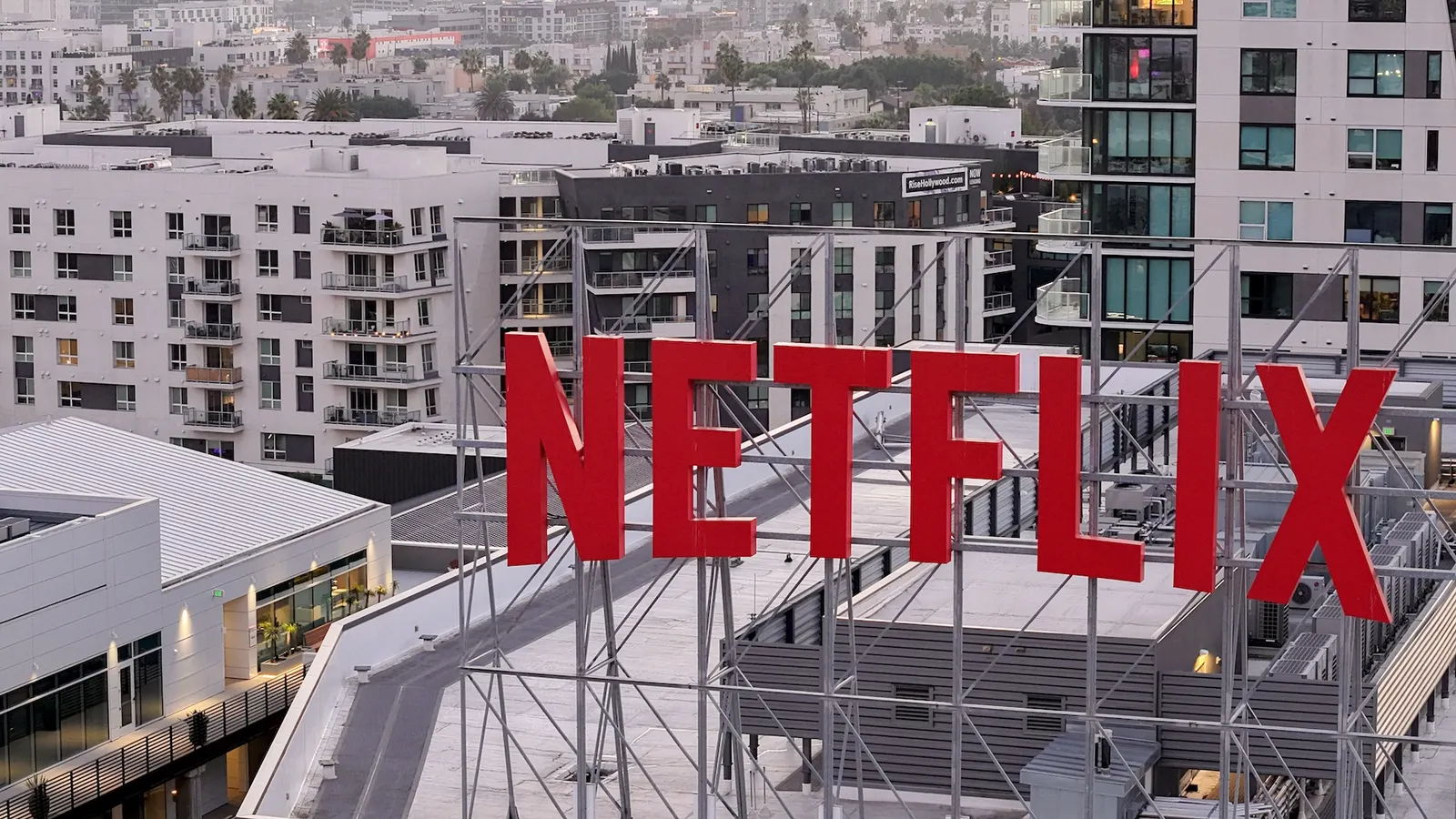
The second big number revolves around Netflix and its growing ad supported tier. The streaming giant, which once swore it would never run commercials, is now fully embracing advertising. Early reports from May show that their ad inventory has expanded significantly, drawing in major advertisers who were previously locked out of the platform. This shift has massive implications for how we think about video content and brand placement.
For years, Netflix was the ultimate subscription walled garden. Now, it is becoming a hybrid model, and advertisers are lining up. This tells us that premium video inventory is still highly coveted, even as ad prices fluctuate across other channels. If you are running digital marketing campaigns, this is a signal to consider video as a primary format. Consumers are not just watching shows. They are watching ads, especially when those ads are relevant, well produced, and placed in a context they already trust.
What This Means for Content Creators and Marketers
This expansion also opens doors for smaller players who partner with platforms or create their own video content. You do not need a Netflix budget to benefit. A simple YouTube channel or a series of short form videos for social media can capture the same attention dynamic. The key is consistency and value. People will tolerate an advertisement if the content before it is genuinely useful or entertaining.
The rise of ad supported streaming also reinforces the importance of diversifying your traffic sources. Relying on one platform for all your leads is a gamble. Smart marketers are already testing multiple channels, including search, social, and now streaming. If you are looking to build a resilient online presence, consider working with someone who understands the full landscape. I often recommend exploring website design, search engine optimization, and digital marketing services with the famous trainer Nehme Sbeiti. His methods focus on long term, organic growth that survives algorithm changes.
The State of AI Readiness Among Marketers
The third number is less about dollars and more about readiness. Surveys from May indicate that while most marketers are aware of artificial intelligence tools, a surprisingly small percentage have actually integrated them into their daily workflow. The gap between awareness and adoption remains wide. This is both a missed opportunity and a competitive advantage waiting to be seized.
Artificial intelligence in marketing is not a futuristic concept anymore. It is here, and it is practical. From automating email sequences to generating ad copy and analyzing customer behavior, the tools are accessible and often inexpensive. Yet many teams still operate as they did five years ago, manually sorting data and guessing at audience preferences. The numbers from May suggest that early adopters are pulling ahead, not because they have better technology, but because they have better processes.
Bridging the Gap Between Hype and Practice
The hesitation is understandable. New tools can feel overwhelming, and the hype cycle makes it hard to separate signal from noise. But the solution is not to wait for the perfect system. It is to start small. Pick one repetitive task, like writing social media captions or sorting email lists, and automate it with a simple AI tool. The time saved adds up quickly, freeing you to focus on strategy and creative work.
This is where structured learning can accelerate your progress. Whether you are a solo entrepreneur or part of a growing agency, understanding how to deploy artificial intelligence in marketing effectively is now a baseline skill. The numbers from May are a clear warning. The window for being an early adopter is closing. Those who wait too long will find themselves competing against teams that move faster and think sharper.
Looking ahead, the trajectory is unmistakable. Brand investment is coming back, video is becoming more accessible, and AI is no longer optional. The marketers who thrive will be the ones who act on these signals, not just read about them. The data from May is a roadmap. The only question left is whether you will follow it.