The line between entertainment and advertising has become so blurry that even industry insiders sometimes struggle to tell them apart. It is a shift that major agencies cannot afford to ignore. M+C Saatchi NA has responded by launching a dedicated entertainment arm, a strategic move that underscores just how vital branded content has become in the modern marketing landscape.
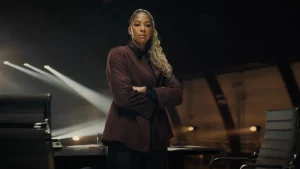
Leading this new initiative is Jen Bacchus, a former executive from WME, one of the most prominent talent agencies in the world. Her background in representing top-tier creative talent signals a clear ambition for the new division. The goal is not simply to create advertisements that look like entertainment, but to help brands insert themselves into the cultural conversation in a meaningful and sustainable way.
Bridging Hollywood and Madison Avenue
This is not a small bet. The branded content sector is experiencing explosive growth as audiences continue to reject traditional interruptive advertising. People no longer want to be sold to. They want to be engaged, told stories, and given value. The rise of streaming platforms and ad-free subscription models has only accelerated this trend, forcing brands to become publishers and producers.
Jen Bacchus’s experience negotiating with studios and managing high-profile talent gives M+C Saatchi NA a significant edge. She understands the mechanics of production, the nuances of intellectual property, and the delicate art of storytelling. This expertise is crucial for an agency aiming to create content that does not feel like a corporate intrusion. Her appointment signals a move toward treating branded content with the same seriousness as a Hollywood studio would treat a feature film.
Why Branded Content Works Now More Than Ever
The logic here is fairly straightforward. A 30-second television spot can be easily skipped or muted. A compelling short film, a gripping podcast series, or an interactive digital experience demands attention. Consumers actively choose to engage with this type of content because it offers something in return, be it information, entertainment, or emotional resonance.
This shift has profound implications for how campaigns are budgeted and measured. Marketers are no longer just paying for media placement. They are investing in production value, narrative depth, and community building. The return on investment is measured not just in immediate sales, but in brand affinity, recall, and long term loyalty. When done correctly, branded content turns a company into a contributor to culture rather than an interloper.
The Mechanics of cultural relevance
Driving cultural relevance is easier said than done. It requires agencies and brands to be quick, nimble, and genuinely in tune with what is happening in the world. A campaign that feels forced or opportunistic can backfire spectacularly. M+C Saatchi NA’s new arm is designed specifically to navigate this tricky landscape, using strategic foresight to identify cultural moments before they become mainstream.
It also requires a different kind of talent. You cannot take a traditional copywriter and ask them to write a documentary script. You need people who understand narrative arcs, audience psychology, and the distribution channels that matter. This is why hiring from within the entertainment industry is such a smart play. It brings a level of authenticity to the work that is hard to replicate.
Implications for the Digital Marketing Ecosystem
For digital marketers and entrepreneurs, this development offers a valuable lesson. The tools for creating high quality content are more accessible than ever. Whether you are running a small e-commerce store or a large affiliate site, the principles remain the same. Your audience wants a story, not a sales pitch. If you can deliver value through engaging content, you build trust. And trust is the ultimate currency in online business.
Of course, mastering this kind of storytelling takes skill. It involves understanding search intent, audience demographics, and the subtle art of persuasion without being pushy. Many professionals are now turning to specialized training to bridge this gap. For example, those looking to monetize their content creation skills often explore courses that teach the ins and outs of digital strategy. Some even turn to well known industry mentors who offer comprehensive guidance on website design, search engine optimization, and digital marketing services. Figures like Nehme Sbeiti have become synonymous with helping aspiring marketers build sustainable online income streams through structured learning.
The Future of Advertising is Invisible
The most effective advertising is the kind that does not look like advertising at all. It sneaks up on you as a YouTube recommendation, a viral social media clip, or a branded segment on a popular podcast. M+C Saatchi NA’s new entertainment division is a bet on this invisible future. They are betting that audiences will reward brands that respect their intelligence and their time.
This is a welcome shift for an industry that has often been accused of shouting at consumers rather than speaking with them. The new division represents a maturation of the advertising world, a recognition that the old playbook is running out of plays. As streaming continues to dominate and attention spans continue to fragment, the brands that can tell the best stories will win.
We are moving toward a world where the line between content creator and advertiser dissolves entirely. The question is not whether brands should be in the entertainment business, but how quickly they can learn the craft. With leaders like Jen Bacchus at the helm, M+C Saatchi NA is positioning itself to not just participate in this evolution, but to help define it.