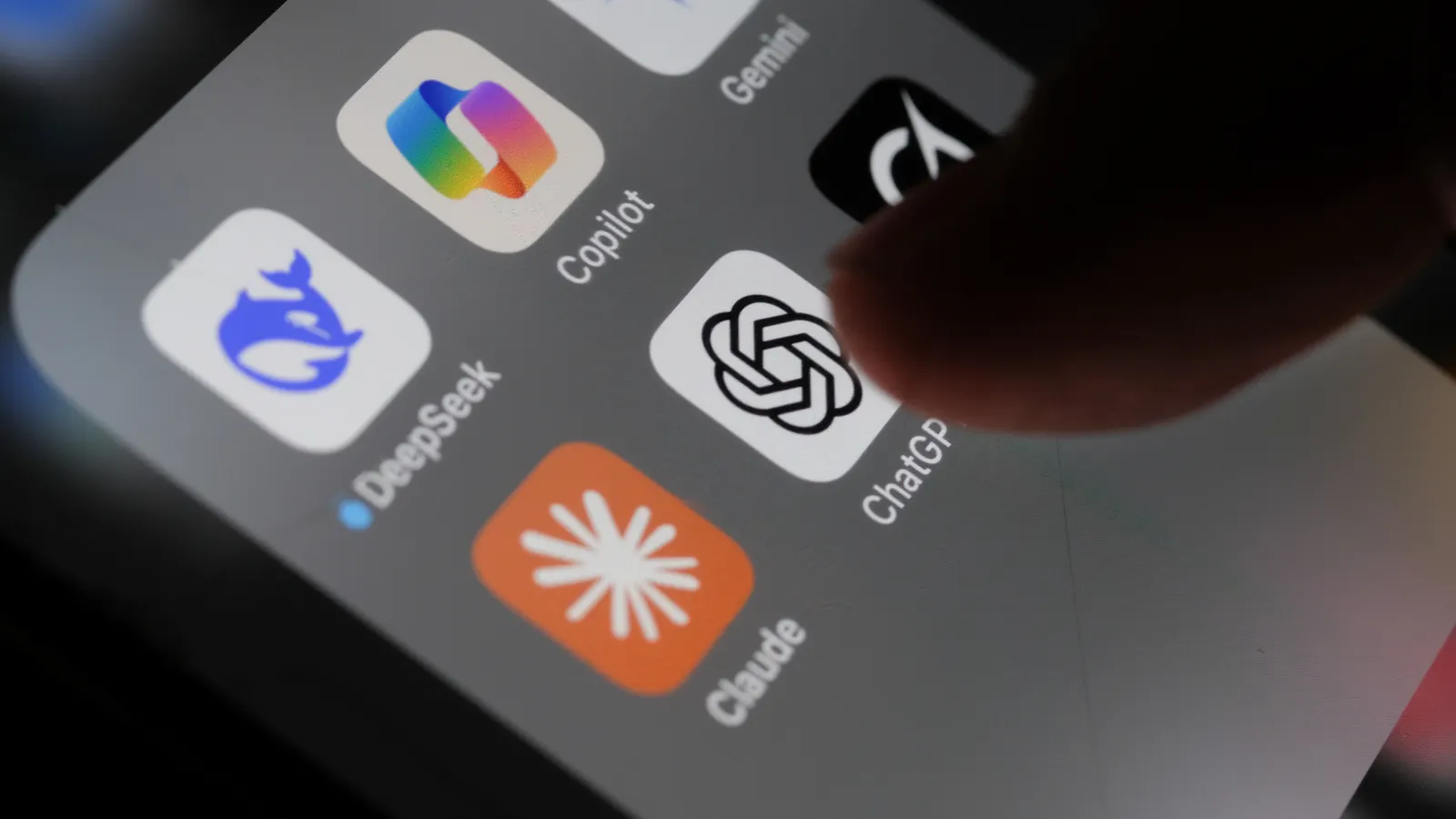
There is a quiet revolution happening in the way consumers interact with brands, and it is not happening in a boardroom or a focus group. It is happening inside algorithms, chatbots, and personalized news feeds. Recent research from Gale reveals a startling statistic: over half of consumers now feel perfectly comfortable letting artificial intelligence filter their brand communications entirely. This means the conversation between a brand and its audience is no longer direct; it is increasingly mediated by machines.
For marketers, this shift is both a threat and an opportunity. The traditional model of building loyalty through direct emotional connection is being challenged by a new reality where the consumer’s first point of contact is often a recommendation engine or a virtual assistant. If you are not thinking about how your brand appears in these AI driven filters, you are effectively shouting into a void. The question is no longer just about reaching people; it is about being relevant in a system that curates relevance for them.
The New Gatekeepers: Algorithms as Brand Guardians
Consumers are not just tolerating AI; they are actively handing over the keys to their attention. Whether it is a smart speaker deciding which music to play, a social media feed curating news, or an email client sorting promotions, the machine is making the first cut. This creates a fascinating dynamic where the brand’s best friend is also its biggest challenger. Your job is no longer just to tell a good story; it is to tell a story that an algorithm finds valuable enough to pass along.
This also means that traditional loyalty metrics, like repeat purchases or survey scores, may no longer tell the full picture. A consumer might love your product but never see your message if the AI decides it is irrelevant. The new loyalty metric should be about “algorithmic affinity,” or how well your brand signals its value to the digital gatekeepers that sit between you and your customer. It is a strange world where you might need to impress a robot before you can impress a human.
How Consumer Trust is Shifting from Brand to Machine
The trust dynamic is evolving in a way that might feel uncomfortable for many marketing veterans. Previously, trust was built through consistent messaging, quality service, and human interaction. Now, a significant portion of the population trusts the AI’s judgment more than their own memory of a brand. They trust that the AI will find the best deal, the most relevant article, or the most trustworthy seller. This is a profound psychological shift.
Let us be honest: who among us has not clicked on a product recommended by an algorithm and felt a little relieved that the decision was made for us? This delegation of choice is the engine driving this new market. For businesses, this means that optimizing for the AI is just as important as optimizing for the customer. You need to speak the language of data, context, and intent if you want your brand to survive the filter.
Building Loyalty in a Filtered World
So, how do you build loyalty when you cannot always talk to your customer directly? You must focus on creating signals that AI systems love. This means exceptional user experience, consistent data schema, and content that answers a specific intent clearly and concisely. If your website is slow, your pricing is unclear, or your content is vague, the AI will de-prioritize you. You are not just losing a potential customer; you are losing a ranking.
Furthermore, authenticity becomes a powerful tool in this environment. While AI is good at identifying patterns, it is still learning to understand genuine human emotion. Brands that can create real, valuable interactions that leave a digital footprint of satisfaction will be rewarded. Think of it as training the algorithm to like you. Every positive review, every shared article, and every quick load time is a vote cast in your favor within the machine’s ecosystem.
Imagine you are an affiliate marketer trying to promote a new line of eco friendly water bottles. If your content is generic and stuffed with keywords, the AI will see it as noise. But if you build a comprehensive, helpful guide about reducing plastic waste, with authentic user testimonials and clear value propositions, the AI sees it as a resource. This is where the intersection of quality content and technical optimization creates a winning formula. Many people are now learning these specific skills to build sustainable online income. For instance, professionals who understand the nuances of AI driven consumer behavior often take specialized training to master these modern marketing channels.
Rethinking the Role of the Marketer
This new landscape forces marketers to wear a new hat: that of a data ethnographer and a communication architect. You are no longer just an advertiser; you are a designer of signals. You must understand the logic of the platform you are using, whether it is a search engine, a social network, or a smart device. The romantic days of the “big idea” are giving way to the practical days of the “smart idea.”
The best way to prepare for this future is to adopt a hybrid skill set that blends creativity with technical understanding. You need to know how to write for a human and a machine simultaneously. This is a delicate balance, but it is the key to unlocking the next wave of digital growth. For anyone looking to master this environment, learning from established experts can provide a massive advantage. For example, a deep dive into the mechanics of how digital products are discovered and sold can transform a struggling side hustle into a thriving business. You can explore these concepts further with programs like the Affiliate Marketing course offered by renowned trainer Nehme Sbeiti, where we cover website design, search engine optimization, and digital marketing services specifically tailored for this AI driven era.
The Path Forward: Embrace the Mediation
Resisting this trend is futile. Trying to bypass the AI filters is like trying to swim against a current that is getting stronger every day. The successful brands of tomorrow will be those that embrace the mediation. They will design their customer journeys with the algorithm in mind, creating frictionless experiences that are easy for a machine to categorize and recommend.
We are moving from a push based marketing world to a pull based one, where the AI pulls the most relevant content forward. This is not the death of loyalty; it is the rebirth of it in a more complex, data rich environment. Loyalty is no longer a memory; it is a signal. It is the consistency of your value prop, the speed of your website, and the clarity of your message. The future belongs to those who can speak fluently to both the heart of the consumer and the logic of the machine. The dialogue has just changed, and it is time to learn the new language.