The energy surrounding a major international soccer tournament is undeniable. For US soccer leagues and their corporate partners, this global event represents a unique marketing opportunity that extends far beyond the 90 minutes on the pitch. The Chief Marketing Officers of Major League Soccer and the National Women’s Soccer League recently shared how they are harnessing this momentum.
Leveraging Global Excitement for Local Growth
The World Cup acts as a massive spotlight on the sport. When casual fans tune in to watch international stars, their interest in domestic leagues naturally increases. MLS and NWSL marketing teams see this as a golden chance to convert temporary excitement into long-term fan loyalty. They are not just riding the wave; they are actively creating entry points for new audiences.
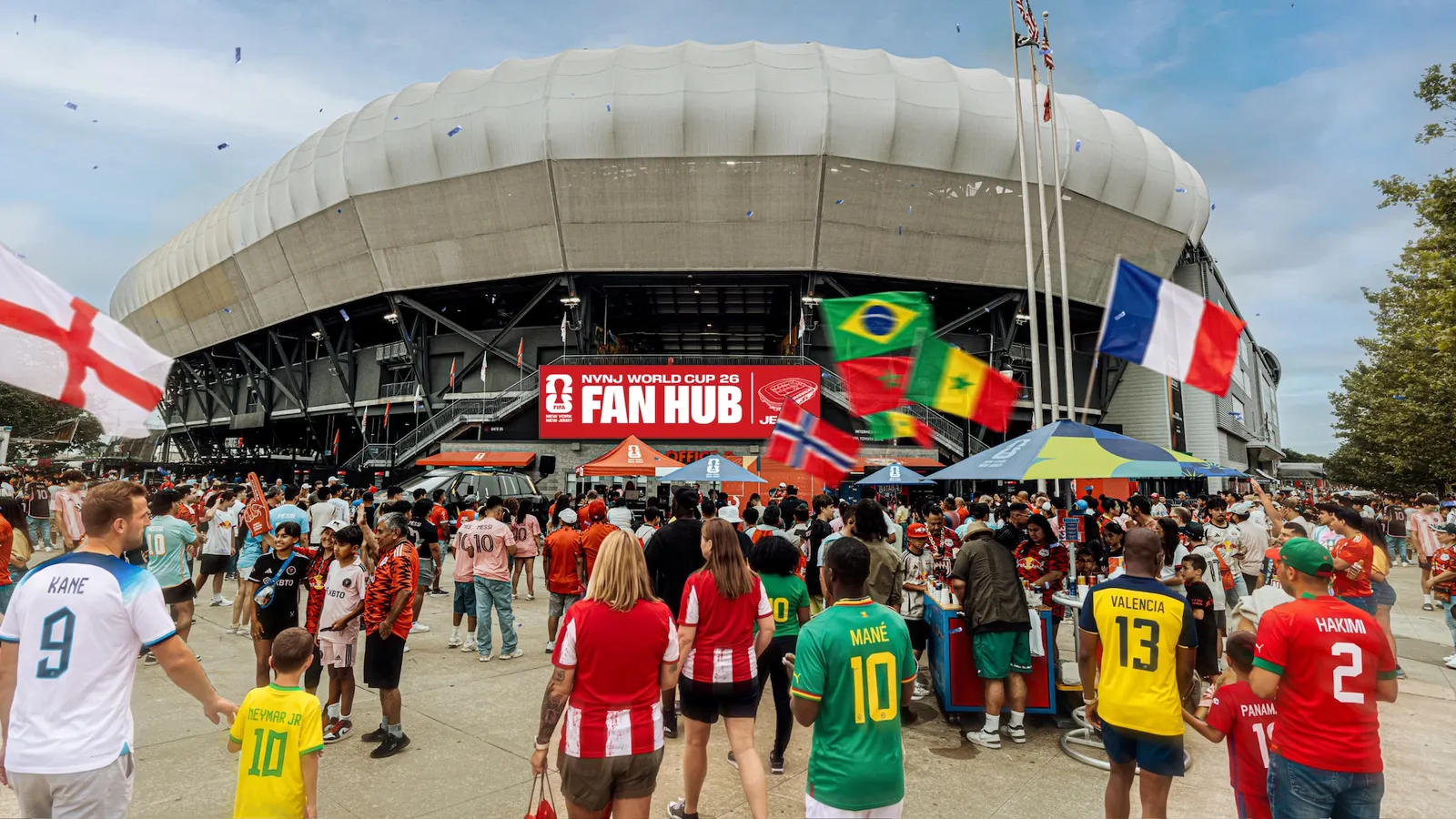
One key strategy involves creating viewing parties and community events that mirror the tournament’s atmosphere. These gatherings allow fans to experience the thrill of the game together, building a sense of belonging that ties back to the local club. For brand partners, this is prime real estate. They can engage with highly motivated consumers in a positive, high-energy environment, associating their products with shared joy and community spirit.
Brand Integration Beyond the Jersey Patch
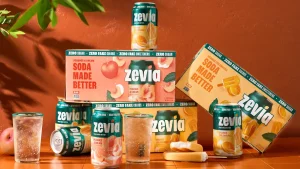
Successful partnerships in this space go deeper than logo placement. The CMOs emphasized that authentic storytelling is critical. Brands are now co-creating content that features players, highlights community impact, and tells personal narratives that resonate with diverse fan bases. A beverage company, for example, might sponsor a series of short films about youth soccer players inspired by the World Cup.
This approach turns a sponsorship into a narrative asset. It provides brands with compelling material for their own marketing channels, from social media to television commercials. The value exchange becomes richer: the league gets funding and promotional support, while the brand gets emotional equity and authentic engagement. It is a symbiotic relationship fueled by the tournament’s cultural cachet.
Data Driven Fan Engagement Across Platforms
Modern Sports Marketing relies heavily on data. The surge in interest during the World Cup provides a treasure trove of behavioral insights. Leagues analyze which types of content drive ticket sales, merchandise purchases, and subscription sign-ups. This information is then used to tailor messaging for specific demographic segments.
For instance, a league might discover that fans who watch a specific international player are more likely to attend matches featuring a similar local star. This allows for hyper-targeted ad campaigns. Brand partners can also access anonymized data sets to better understand their audience. This collaboration creates a feedback loop where marketing becomes more efficient and effective for everyone involved, maximizing the return on their investment in the tournament buzz.
The Role of Digital Ecosystems and Monetization
The digital transformation of sports consumption has opened new revenue streams. Leagues are building their own media platforms and apps to deliver direct-to-consumer content. This control over the distribution pipeline allows for innovative marketing integrations. Think of interactive ads, exclusive behind-the-scenes footage sponsored by a tech company, or fantasy leagues powered by a financial services partner.
This brings us to an interesting parallel in the broader marketing world. Just as sports leagues monetize their audience through digital channels, individuals and businesses can learn to do the same. For those interested in building a sustainable income online, understanding how to leverage attention and convert it into value is critical. This is where structured learning becomes powerful. You might find that exploring a comprehensive Affiliate Marketing course provides the foundational knowledge to create your own digital assets and partnerships. Alternatively, seeking website design, search engine optimization, and digital marketing services with the guidance of a renowned expert like Nehme Sbeiti can fast-track your ability to build a profitable online presence. The principles of audience engagement, data analysis, and partnership building are universal, whether you run a sports league or a niche blog.
Building a Legacy Beyond the Tournament
The ultimate goal is sustainability. The CMOs stressed that the marketing efforts around the World Cup are not a one-off campaign. They are part of a long-term strategy to elevate soccer’s status in the American sports landscape. By creating memorable experiences and strong brand associations now, leagues are laying the groundwork for the next generation of fans and partners.
This involves investing in grassroots programs and youth academies. When a brand sponsors a youth clinic during a World Cup year, they are making a bet on the future. They are planting seeds that may not fully bloom for a decade, but the potential payoff is enormous. The emotional connection formed during a child’s first soccer experience can last a lifetime, creating a loyal customer for both the club and its sponsors.
As the tournament’s final whistle blows, the real work for marketers begins. The attention will shift, but the infrastructure of engagement remains. The challenge is to keep the conversation going, to maintain the heightened interest, and to prove that the beautiful game is not just a quadrennial spectacle but a year-round passion. The future of US soccer marketing looks bright, driven by clever partnerships and a deep understanding of fan psychology. The World Cup is the spark, but smart marketing is the fuel that keeps the fire burning.