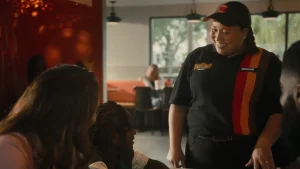
The pizza wars are heating up, and Papa Johns is clearly feeling the heat. In a significant leadership shuffle, the company has announced that Chief Marketing Officer Jenna Bromberg will be stepping down from her role. This move comes at a critical time for the brand, which has been grappling with declining sales and a need to reconnect with a customer base that has an ever-growing list of dining options. It is a pivotal moment that signals a strategic recalibration rather than a simple personnel change.
The Atlanta-based chain isn’t just looking for a new face in the C-suite; it is fundamentally rethinking how it communicates with the world. Bromberg’s departure coincides with the appointment of a new global marketing lead, a position designed to streamline messaging across international borders. The company is also signaling a shift in its advertising strategy, planning to rebalance its media mix and double down on investments in marketing cooperatives, which are often more localized and community-driven.
The Strategy Shift Behind the CMO change
Why does a CMO change matter so much for a giant like Papa Johns? Often, a leadership shakeup of this magnitude is a direct response to financial underperformance. The brand has faced a plateau in same-store sales, squeezed by aggressive value offerings from competitors like Domino’s and a surge in direct-to-consumer brands. By bringing in fresh leadership, the company is hoping to break free from a marketing playbook that, while once effective, has struggled to adapt to the current economic climate where consumers are increasingly price-sensitive.
The introduction of a global marketing officer is particularly telling. It suggests a desire to unify the brand’s voice. In the past, Papa Johns has run slightly different campaigns in different regions, creating a fragmented identity. A single global leader can enforce a consistent narrative, ensuring that whether a customer orders a pizza in Louisville or London, they feel the same connection to the brand. This approach aims to build a more resilient brand equity that isn’t easily eroded by regional missteps.
Rebalancing the Media Mix for Better ROI
One of the most actionable insights from this announcement is the plan to “rebalance the media mix.” For years, the pizza category has been dominated by television advertising, but the return on that investment is diminishing. As cord-cutting continues and streaming services reign supreme, reaching audiences requires a different playbook. The new strategy likely involves a heavier tilt toward digital channels, social media engagement, and targeted programmatic advertising that can be tracked and optimized in real time.
However, it would be a mistake to assume they are abandoning traditional media entirely. The mention of investing in marketing co-ops is a nod to a more grassroots approach. These cooperatives often pool resources from local franchisees to run regional ads, sponsor local events, and support community initiatives. This hybrid approach, combining national brand awareness with local relevance, is becoming the gold standard for large restaurant chains. It allows the national brand to handle the “what” while local operators handle the “where” and “how,” creating a more potent and relatable promotional message.
Lessons for Marketers and Franchise Owners
For those of us watching from the sidelines, there is a clear lesson here about agility. Sticking to a legacy marketing strategy simply because “it worked before” is a recipe for stagnation. The fast-food industry is a brutal arena where consumer preferences shift almost overnight. Papa Johns is demonstrating that a willingness to restructure leadership and adapt the media budget is essential for survival, not just growth. This is a reminder that the brand’s voice must evolve in lockstep with the consumer’s habits.
This also highlights the importance of understanding the economics of marketing. It is not just about spending more; it is about spending smarter. In the digital age, data analytics should drive every dollar. For aspiring marketers and entrepreneurs building their own brands, the lesson is to build a framework that allows for rapid testing and iteration. Whether you are selling pizzas or software, the ability to pivot your messaging based on performance data is the single most important competitive advantage you can cultivate.
For those looking to master these digital channels and build a sustainable online income, understanding consumer psychology and traffic generation is key. This kind of strategic thinking is at the core of what we teach in our Affiliate Marketing course, often alongside insights on website design and search engine optimization. While the specifics of selling a physical product differ from selling a service, the underlying principles of market positioning and audience targeting remain constant.
Navigating the Path Forward
The road ahead for Papa Johns is not without its obstacles. A new marketing head needs time to assess the landscape and implement their vision. Meanwhile, the pressure from shareholders to show immediate results is immense. The company will need to walk a fine line between long-term brand building and short-term promotional pushes to satisfy value-seeking customers. The fact that they are focusing on rebalancing rather than just cutting costs is a positive sign for the health of the franchise network.
Looking at the broader landscape, this move by Papa Johns is a microcosm of the challenges facing all legacy food brands. The “battle for the stomach” is increasingly fought on smartphones, and the winner will be the one who masters the art of personalization. As this pizza giant navigates its transition, it serves as a case study for the rest of the industry. The upcoming quarters will be telling, revealing whether this structural change is enough to reignite passion for the brand. The ultimate goal is to ensure that when hunger strikes, Papa Johns isn’t just an option, but the obvious choice.