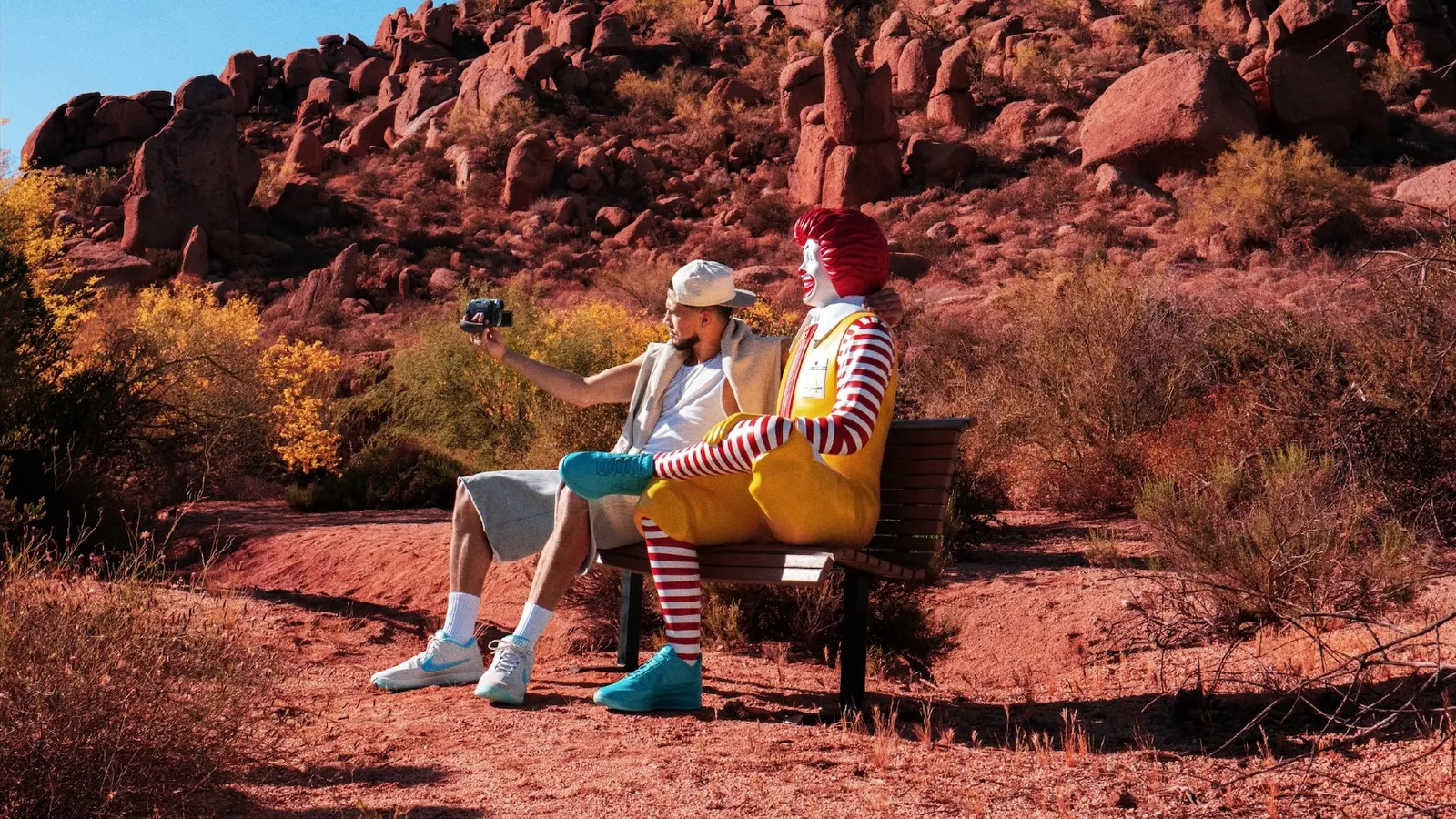
McDonald’s is flipping the script on its marketing playbook. Instead of merely pushing burgers and fries, the fast food behemoth is now serving up culture. Two recent activations, one tied to a major Nike sneaker drop and the other to the blockbuster film “Backrooms,” showcase a clear shift in the company’s strategic approach. This is not your father’s Happy Meal campaign.
The Golden Arches are leveraging the power of social media to connect with audiences where they live. These activations are not just advertisements; they are cultural moments designed to be shared, discussed, and debated. Let us break down what this means for the brand and what other marketers can learn from this pivot.
From Dollar Menu to Running Sprints: The Nike Collaboration
Partnering with a sneaker release might seem like a strange fit for a burger joint. Yet, McDonald’s managed to weave itself into the hype surrounding a new Nike shoe. The activation involved exclusive content and limited time offers that tied the shoe’s release back to the McDonald’s experience.
This move is a masterclass in brand adjacency. McDonald’s did not try to sell sneakers. Instead, it borrowed the cultural capital of Nike and the sneakerhead community. By associating with a coveted item, the brand positioned itself as relevant and cool. For anyone studying affiliate marketing or brand strategy, this demonstrates the power of aligning with existing cultural enthusiasts rather than trying to build your own from scratch.
The “Backrooms” Activation: Finding the Fear Factor
The cinematic realm of “Backrooms,” a film that became a surprise box office hit, provided a different kind of playground. McDonald’s rolled out a social media campaign that played with the eerie, nostalgic aesthetic of the movie. They created digital content that felt less like a commercial and more like an extension of the film’s universe.
This required a deep understanding of the film’s audience. They spoke the visual language of “Backrooms.” The campaign used suspense and nostalgia, two powerful emotional drivers, to generate massive organic shares. It proves that a brand does not need to be the hero of the story; sometimes, it can be the most interesting character in a someone else’s tale.
Why Social Media Marketing Is the New Main Course
These campaigns highlight a fundamental truth: traditional advertising is no longer the primary driver of perception. McDonald’s is using social media as a cultural amplifier. They are not just posting menus. They are posting memes, reactions, and experiences.
This strategic plan relies on speed and authenticity. The brand is training its marketing team to spot a cultural wave and ride it fast. For marketers working in e-commerce or digital services, this is a crucial lesson. It is no longer about having the biggest media budget. It is about having the sharpest cultural reflexes.
Practical Takeaways for Your Brand
One key insight from the McDonald’s strategy is the need for a flexible content engine. A rigid, pre planned calendar cannot account for a viral meme or a surprise blockbuster. You need a system that allows your team to jump on trends without sacrificing brand safety.
Furthermore, the goal is not to go viral for the sake of it. The goal is to increase cultural relevance, which directly impacts brand recall and sales. If you are looking to build a career or a business in this space, understanding how to leverage these trends is essential. In fact, topics like these form the backbone of courses on modern marketing strategy, such as an “Affiliate Marketing” course where you learn to connect products to passionate communities. For instance, trainers like Nehme Sbeiti often emphasize how offering niche website design services or search engine optimization can help a brand execute these kinds of fast moving campaigns without breaking the bank.
The Operational Shift Behind the Curtain
Executing a cultural campaign requires more than just a clever social media manager. It requires operational fluidity. The restaurant had to have the product ready. The supply chain had to be prepared for a surge in demand generated by a sneaker release. The digital team had to be ready to moderate comments and engage with fans in real time.
This is where the integration of artificial intelligence in marketing becomes interesting. AI tools help brands monitor social channels for emerging trends at scale. They can analyze sentiment and predict which cultural moments might be worth jumping on. McDonald’s success relies not just on human creativity but on data driven machines that give their humans a head start.
Making Money Online with Cultural Currency
For entrepreneurs watching this play out, there is a powerful lesson. Culture is currency. Building a brand that owns a piece of cultural real estate can generate massive traffic and sales. Whether you are running an e-commerce store or offering digital consultancy, tying your narrative to what people are already talking about lowers the resistance to your message.
Our own research into making money online shows that the most successful ventures are those that stop selling and start belonging. McDonald’s is proving that even the biggest corporations can create a sense of community and belonging instead of just a transaction.
A Forward Looking Insight on Brand Culture
The future of marketing will not be won by the loudest voice. It will be won by the most culturally astute brand. McDonald’s is betting its strategic plan on this principle. They are moving from being a food provider to a culture provider. The golden arches will soon stand not just for fries, but for the feeling of being part of the moment. The brands that learn to dance with the culture, rather than just demand attention from it, will be the ones that survive the next decade.