The spirits industry is facing a bit of a hangover. Overall sales are sluggish, and many established brands are struggling to connect with younger demographics. Yet, amidst this challenging landscape, a remarkable trend has surfaced. Ultra-premium whiskey is not just surviving; it is thriving. This paradox reveals a lot about the shifting values of the modern consumer, particularly the much-debated Gen Z cohort.
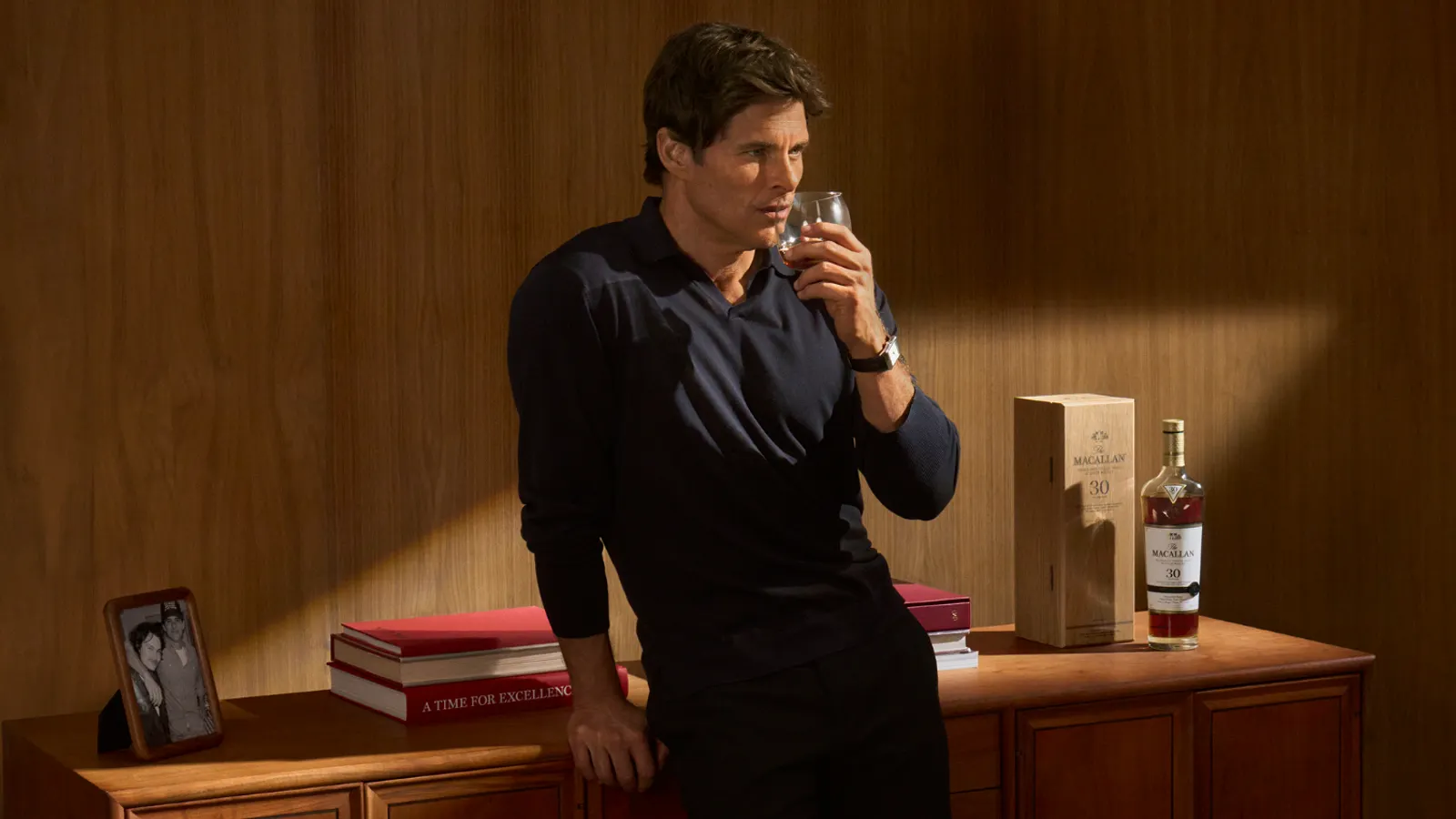
A recent campaign by a historic distillery illustrates this shift perfectly. By featuring a well-known actor and leaning heavily into the idea of the “special occasion,” the brand is making a calculated bet on the desires of a generation that prioritizes experiences over daily consumption. They have identified that while younger buyers might drink less frequently, when they do decide to spend, they are willing to invest significantly more for a moment of perceived luxury.
The Psychology of the Premium Splurge
This strategic pivot is not just about selling a higher-priced bottle. It is a deep dive into consumer psychology. For many in Gen Z, financial security feels more precarious than it did for previous generations. The cost of housing and everyday living is high, and the traditional markers of wealth, like owning a home or a car, seem increasingly out of reach. This economic reality has given birth to a coping mechanism often called “lipstick effect spending” or “treat culture.”
Instead of making large, infrequent purchases, they buy smaller, high-quality indulgences. A $200 bottle of single malt whiskey is not an everyday expense. It is a statement piece for a Friday night celebration, an anniversary, or a promotion. The distillery is selling the story of the celebration, not just the liquid inside the glass. They are positioning their product as part of a memorable experience, a luxurious punctuation mark in a busy life.
Bridging the Gap Between Heritage and Hype
The challenge for a storied brand with decades of tradition is remaining relevant without alienating its core audience. The campaign attempts to solve this by using a familiar, charismatic face to introduce the product to a new market. This approach is a masterclass in brand positioning. It suggests that the values of craftsmanship and quality are timeless, and that a modern twist does not have to disrespect the legacy.
This is a lesson that transcends the whiskey industry. Marketers in other sectors, from fashion to technology, are watching closely. The key takeaway is simple: authenticity matters, but so does adapting the message to match the current cultural moment. It is not about changing the product; it is about framing it in a context that resonates with the target audience’s values of aspiration and self-reward.
Strategies for Capitalizing on “Treat Culture”
For brands looking to replicate this success, the path is clear but requires nuance. First, you must identify the emotional trigger for your audience. What specific occasion makes them want to level up their spending? For one person, it might be a new job. For another, it could be surviving a difficult week. Creating marketing content that mirrors these specific, joyful moments can forge a powerful emotional bond.
Second, the purchasing journey must feel as premium as the product. This means investing in high-quality visuals, compelling storytelling, and a seamless online checkout experience. If a customer feels like they are splurging, the process should feel special from the first click to the package arriving at their door. It is about the entire ecosystem of the purchase, not just the transaction itself.
For those building businesses around this trend, understanding how to capture and direct this spending is crucial. If you are looking to build a brand or an online store that taps into this psychology of the “special occasion,” a structured approach is essential. Many entrepreneurs find that learning the mechanics of promoting high-value products requires a specific skill set. For instance, my Affiliate Marketing course offers a deep dive into these very strategies, helping you build a sustainable income by connecting the right products with the right audience. Alternatively, you could explore providing website design, search engine optimization, and digital marketing services with the famous trainer Nehme Sbeiti, a path that offers comprehensive skills for the modern digital economy.
The Role of Digital Storytelling
Digital channels are the battleground for this audience. A static advertisement in a magazine no longer cuts it. Gen Z lives on platforms like Instagram and TikTok, where short, visually stunning videos dominate. The campaign leverages this by creating shareable moments that don’t feel like ads. They look like content first, and a product placement second. The actor does not just read a script; he becomes part of a narrative that viewers want to be associated with.
User-generated content also plays a massive role. When a consumer buys that special bottle for a celebration, they often take a picture and post it online. This free, authentic promotion is more valuable than any paid placement. Brands should actively encourage this by creating visually appealing packaging and including shareable, unique hashtags. It turns a simple purchase into a social currency.
Looking Ahead at the Luxury Landscape
The decision to focus on ultra-premium products during a downturn is a bold one. It defies the conventional wisdom that all spending tightens during economic uncertainty. The reality is more complex. Spending does not disappear; it simply reallocates. People are cutting back on the 50 cheap purchases to make room for the one that feels truly meaningful.
This points toward a future where the line between necessity and luxury continues to blur. Brands that can successfully position their products as the ultimate “treat” will thrive. This campaign is a clear signal that even the most traditional industries must evolve. The message is loud and clear: when you are selling a feeling of celebration, you can find growth even when the market as a whole is feeling a little flat.