In a vibrant push for authentic cultural connection, Vitaminwater has launched the second season of its content series “Neighborhue,” a project dedicated to celebrating local artistry. The new season expands its footprint to an additional city, proving that brand storytelling can be both grounded and scalable. As marketing professionals watch major brands lean into hyperlocal narratives, this move raises a compelling question: how can companies capture the soul of a community without sounding like a corporate brochure?
The Evolution of a Community Focused Campaign
The first season of Neighborhue set a strong precedent by weaving together stories of artists who shape their neighborhoods. Now, with season two, the initiative deepens its approach. It now encompasses documentary style video, long form editorial pieces, and social first content designed to travel well across platforms. This multimedia strategy reflects a broader shift in how brands must engage audiences who crave authenticity over polish.
For marketers, the key takeaway here is the deliberate choice of format. A documentary video brings depth and emotional resonance, while short social clips drive discovery and shareability. Long form articles act as anchors for search engine optimization, giving the campaign a permanent home on the web. It is a balanced ecosystem, not a one off stunt.
Why Hyperlocal Content Wins in a Fragmented World
Consumers today are bombarded with generic advertisements. They have learned to tune out polished, one size fits all messaging. What cuts through the noise is specificity, a story about a muralist in a specific block of a specific city. Vitaminwater’s series succeeds because it does not try to sell a drink in every frame. Instead, it sells a feeling of belonging and pride in one’s surroundings.
This approach aligns with the principles of effective affiliate marketing and digital branding. You do not push a product. You align the product with a genuine passion point. If you are building an online business or working in e-commerce, think about what hyperlocal story your brand could tell. It might be a profile of a local supplier, a behind the scenes look at a neighborhood event, or a partnership with a community space. The goal is to create content that people want to share because it reflects their own identity.
Lessons for Marketers and Content Creators
The Vitaminwater campaign offers several actionable insights for anyone in the digital marketing space. First, diversify your content types. A single blog post or a single video is rarely enough to sustain attention. Neighborhue uses three distinct formats, hitting different consumption habits. Someone who will not watch a 10 minute documentary might scroll through a 30 second reel. The long form article captures search traffic and provides depth for those who want it.
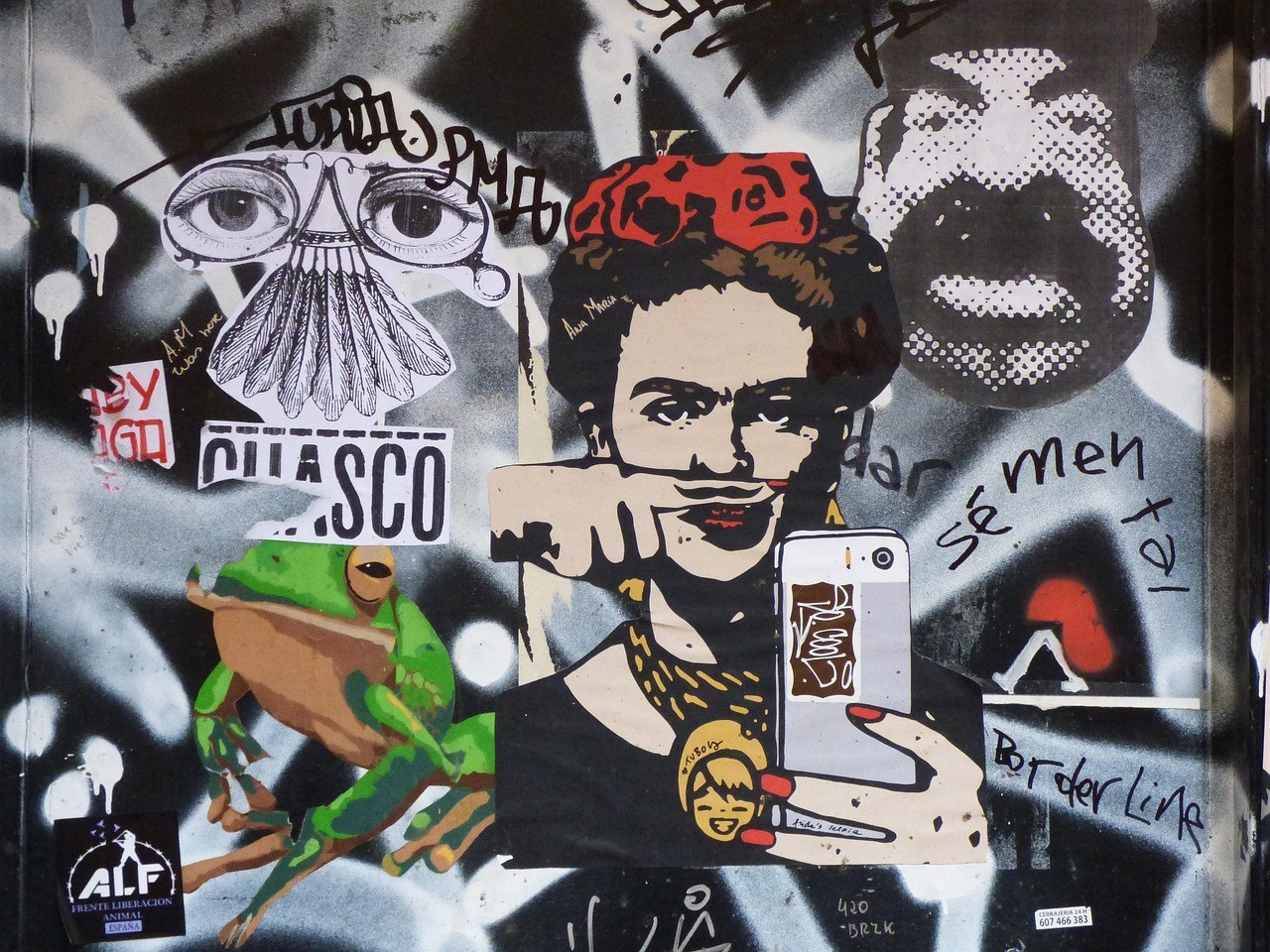
Second, invest in visual storytelling that feels real, not staged. Local art is inherently messy, colorful, and human. Trying to sanitize it for a brand lens would ruin the magic. Vitaminwater lets the artists speak for themselves, and the brand takes a supporting role. This is a delicate balance, and mastering it is what separates memorable campaigns from forgettable ones.
Connecting Content Strategy to Digital Business Growth
As the lines between content marketing and direct sales continue to blur, understanding how to build a following is crucial. Many marketers I work with, including those in my Affiliate Marketing course, often struggle with this exact point. They focus too heavily on the transaction and not enough on the narrative. A series like Neighborhue shows that you can build a loyal audience by offering genuine value first. The product becomes the reward for engaging with the story, not the starting point.
For those looking to build a sustainable online presence, consider partnering with experts who understand this landscape. Working with a trainer like Nehme Sbeiti, who specializes in website design, search engine optimization, and digital marketing, can help you structure campaigns that mimic this authentic approach. The goal is to establish trust before you ever ask for a sale.
The Future of Branded Storytelling
Looking ahead, we can expect more brands to follow Vitaminwater’s lead. The age of the sterile, studio produced commercial is fading. In its place, we see gritty, real world content that feels like it was made by a friend or a neighbor. This requires a different kind of investment, not just in production budgets, but in relationship building. It means spending time in communities, listening to local voices, and stepping back as the brand.
The second season of Neighborhue is a small but significant signal. It tells us that authenticity is not a trend. It is a strategic necessity. As AI tools make content creation faster and cheaper, the human element of storytelling will become the only true differentiator. Brands that can capture the texture of real life, with all its rough edges and vibrant colors, will be the ones that earn not just clicks, but lasting loyalty.
In the end, the most powerful marketing is not about being heard above the noise. It is about joining the conversation that is already happening on the streets, in the studios, and on the social feeds of the people who actually live there. Vitaminwater seems to understand this. Now the question is, will the rest of the industry follow?