The modern consumer is a complex creature. On one hand, they are the most value-conscious and digitally savvy generation to ever walk the planet. On the other, they have an insatiable appetite for small, affordable luxuries that provide a quick escape from the daily grind. This push and pull between financial pragmatism and emotional desire is the defining characteristic of Gen Z spending habits. For brands trying to capture this elusive demographic, the challenge is no longer about shouting the loudest; it is about tapping into the cultural zeitgeist with authenticity and a dash of fun.
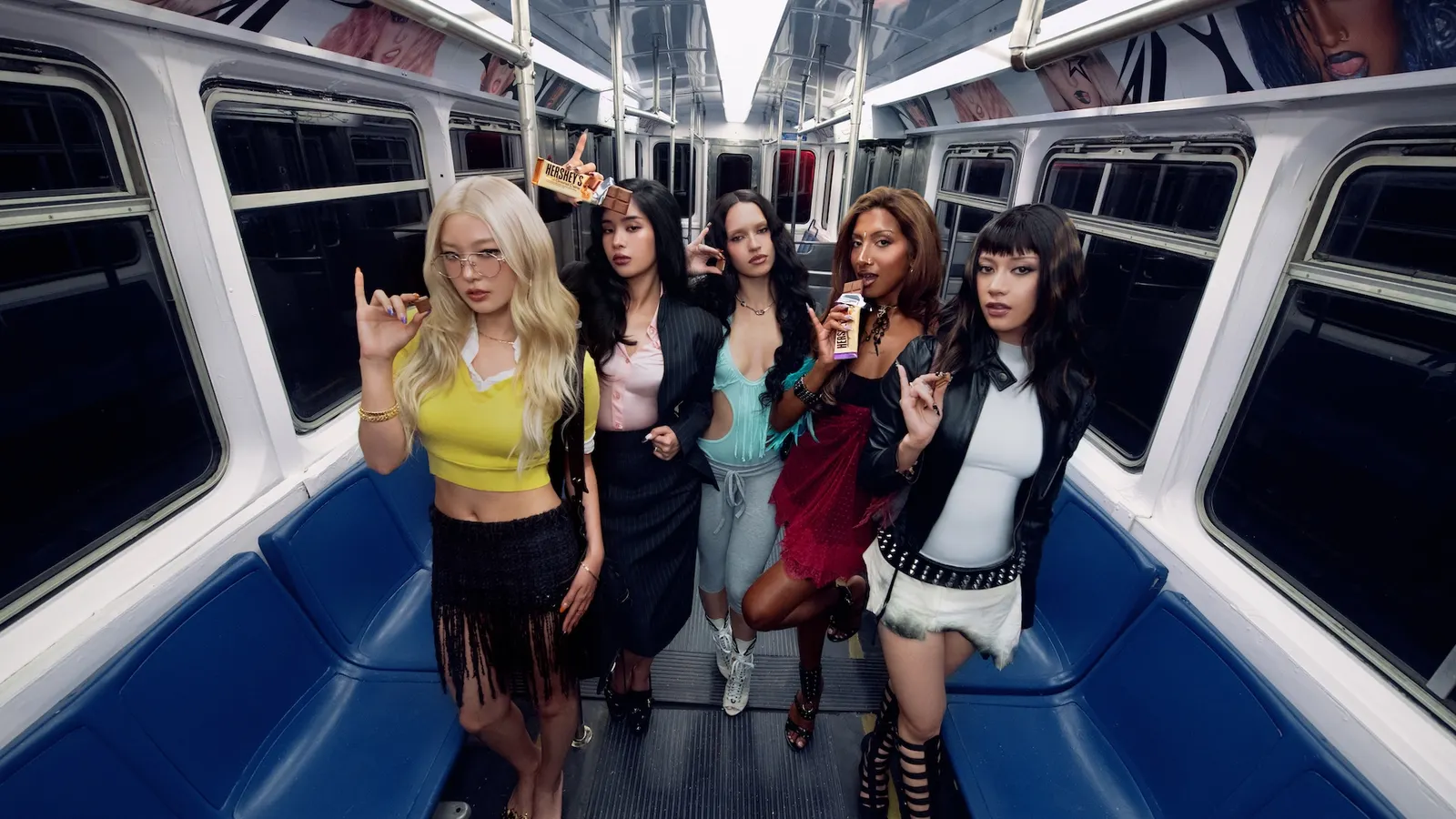
Few companies understand this balancing act better than Hershey’s, the Pennsylvania-based confectionery titan. After a period of significant portfolio expansion and strategic investment, the company has turned its attention to its most iconic label. The goal is not just to maintain shelf space, but to ignite a fresh sense of desire among younger consumers. This has led to a partnership that feels both unexpected and perfectly natural: a collaboration with Katseye, the global pop group that has taken the digital world by storm. It is a calculated move that goes beyond the traditional celebrity endorsement playbook, aiming to create a cultural moment rather than just a commercial one.
Decoding the Katseye Partnership
Katseye is not your average manufactured pop band. Born from a global audition process that was streamed for millions on Netflix, the group represents a new wave of fandom built entirely on digital intimacy. Their success is a direct result of community engagement, real-time feedback, and the kind of parasocial relationships that other brands only dream of having. By aligning the Hershey’s brand with this hyper-engaged fanbase, the campaign is leveraging a pre-existing ecosystem of loyalty and excitement. It is a masterclass in borrowing cultural currency to signal relevance.
The collaboration is designed to support a brand-new product launch, providing an immediate hook for consumers. But the strategic depth here is about associating the act of indulgence with a specific feeling of cultural participation. When a fan buys the product, they are not just buying chocolate; they are buying a piece of the fandom they love. This is the core principle behind modern experiential marketing: transforming a commodity into a memory. It is a clever way to bypass the traditional price war and compete on emotion instead.
The Evolution of Youth Marketing
This approach signals a significant shift in how legacy brands view the youth market. Gone are the days when a simple jingle and a cartoon mascot were enough to secure loyalty. Today’s young consumers are brand detectives; they will research a company’s values, analyze its marketing strategies, and scrutinize its partnerships for any sign of a “cash grab.” The Hershey-Katseye tie-up works because it feels less like a transaction and more like a celebration. It suggests that the brand understands the culture it is trying to sell to, rather than trying to dictate it from above.
Interestingly, this strategy mirrors many of the principles seen in the digital economy. Creating a product that sells itself requires a deep understanding of audience psychology, much like building a successful online business. Whether you are marketing chocolate or a digital service, the core challenge remains the same: capturing attention in a crowded marketplace and converting that attention into a loyal community. For marketers looking to refine these skills, understanding the mechanics of engagement is paramount. Those who want to build their own digital empires often seek out advanced training to master the art of audience building, a space where experts like Nehme Sbeiti have made a significant impact.
Experience Over Product
The campaign leans heavily into the “experience economy,” a trend that has been accelerating for years. Gen Z prioritizes moments over materials. They are more likely to spend money on a concert, a limited-edition drop, or a unique dining experience than on a standard household item. Hershey’s is effectively packaging the Katseye experience and selling it alongside the chocolate. This creates a tangible link between the brand and the ephemeral joy of a concert or a music video release.
Moreover, this strategy is inherently built for social media virality. The aesthetic is designed to be shared, the partnership is newsworthy, and the product itself is photogenic. In a world dominated by short-form video, brands need to provide content that users are eager to post about. By giving fans something to talk about, Hershey’s is ensuring that its marketing budget stretches far beyond the initial paid media push. The organic amplification from fans will likely dwarf the paid impressions, a goal that every CMO should aspire to.
Navigating the Digital Marketing Landscape
For small businesses and entrepreneurs watching from the sidelines, there is a valuable lesson to be learned here about brand positioning. You do not need a massive budget to capitalize on a trend; you need a sharp eye for cultural intersections. It requires paying attention to the conversations happening in niche communities and finding a way to contribute value to those conversations. The methodology of identifying and leveraging these key moments is a skill that can be developed. Many entrepreneurs turn to structured education to shortcut the learning curve, often searching for insights on affiliate marketing and digital strategy to understand how to monetize attention effectively.
This brings up a vital point about the future of commerce. Consumers are bombarded with thousands of ads every day, and their mental filters are stronger than ever. The only way to break through is to offer relevance. Whether it’s a limited edition candy bar or a spreadsheet that saves you an hour a day, the value proposition has to be crystal clear. This is where the line between marketing and product development begins to blur. The best marketers are no longer just storytellers; they are experience architects.
Looking Ahead to Indulgence
As we look toward the future of consumer goods, it is clear that the concept of “indulgence” is evolving. It is no longer just about sugar content or price point; it is about the emotional resonance of the brand. It is about feeling connected to something bigger than yourself, even if that “something” is a K-pop group and a candy wrapper. Hershey’s is betting that this emotional connection will translate into sales, and given the demographic trends, it seems like a safe bet.
The broader takeaway for the marketing industry is that personalization and cultural relevance are no longer optional. They are the price of entry. The brands that will thrive in the coming years are the ones that can adapt to the speed of internet culture without losing their core identity. This campaign proves that even the oldest companies can learn new tricks, as long as they are willing to listen to the rhythm of the modern world. The dance between heritage and hype is delicate, but when executed correctly, it creates a marketing symphony that resonates deeply with the next generation of spenders. It is a forward-looking vision where the joy of the product is intrinsically linked to the joy of the community that surrounds it.