A New Era for Foot Locker’s Marketing Strategy
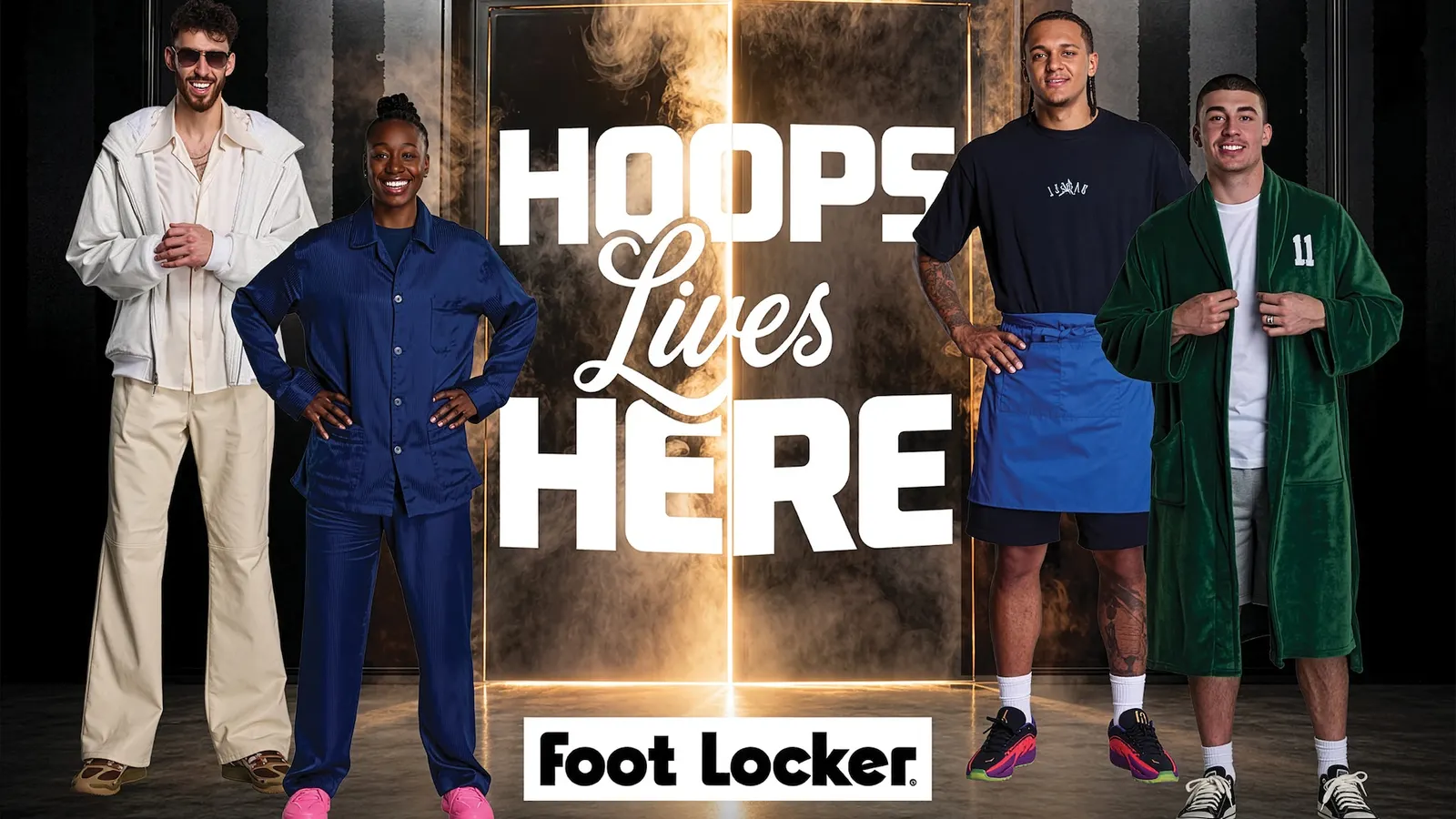
When a major retailer gets acquired, the marketing playbook is often the first thing to get tossed out the window. That seems to be the case at Foot Locker, which recently debuted a year-round basketball Brand Platform. The move comes shortly after Dick’s Sporting Goods acquired the company in September, and it signals a fresh strategic direction. Leading this charge is Brett O’Brien, the retailer’s newly appointed Chief Marketing Officer, who previously served as chief sports officer at PepsiCo.
O’Brien’s arrival is more than just a new face in the C-suite. It represents a deliberate pivot toward consistent, lifestyle-driven storytelling rather than seasonal, event-based campaigns. For a brand synonymous with sneaker culture and grassroots basketball, this shift feels both timely and necessary. The question is, can a year-round platform recapture the magic that made Foot Locker a cultural icon?
Why Year-Round Storytelling Matters in Sports Retail
For years, athletic retailers have relied heavily on the back-to-school season and holiday shopping spikes to drive revenue. Foot Locker, however, is betting that basketball culture isn’t a seasonal phenomenon. It’s a year-round conversation. By launching a platform that stays active across all four quarters, the brand aims to embed itself deeper into the daily lives of its core audience. This is not just about selling shoes; it is about owning the narrative around the game itself.
Consider how many young athletes live and breathe basketball 365 days a year. They play in summer leagues, train in the fall, and compete through the winter. A brand that is only visible during March Madness or the NBA Finals misses the rest of the story. Foot Locker’s new initiative attempts to close that gap, offering content, community events, and product drops that keep the conversation alive even during the offseason.
The Role of Data in Building a Consistent Brand Voice
This kind of sustained engagement requires more than just good intentions. It demands a sophisticated understanding of audience behavior, which is where artificial intelligence in marketing becomes a powerful tool. By analyzing purchase patterns, social media interactions, and foot traffic data, retailers can predict when their customers are most receptive to messaging. For example, if data shows that sneaker enthusiasts browse new releases on Tuesday evenings, a brand can time its email campaigns and social posts to match that window.
Applying these insights helps Foot Locker avoid the common pitfall of shouting into the void. Instead of blasting generic ads, the brand can tailor its approach based on regional basketball trends or even local high school rivalries. It’s a smart way to make a national platform feel personal, and it is a tactic that any e-commerce business can learn from.
Lessons for Marketers in E-commerce and Affiliate Marketing
If you are running an online store or working in affiliate marketing, there is a clear takeaway here. Consistency builds trust. Too many brands treat their marketing like a light switch, turning it on only when they want to sell something. The result is a disjointed customer experience where people forget you exist between purchases. Foot Locker’s approach shows that staying top of mind throughout the year can lead to higher customer lifetime value.
For those looking to master this balance, it helps to study how major brands structure their campaigns. You might find value in learning how to integrate multiple channels without burning out your audience. In fact, if you are serious about building a sustainable income stream online, you should consider exploring a comprehensive Affiliate Marketing course. It can teach you how to create content that serves your audience year-round, just like Foot Locker is trying to do with basketball fans.
Bridging the Gap Between Physical Retail and Digital Experience
One of the biggest challenges for any retailer today is the chasm between the in-store experience and the digital journey. Foot Locker’s new platform attempts to bridge that gap by making the store a hub for community activity, not just transactions. Imagine walking into a Foot Locker and not just buying a pair of sneakers, but also attending a workshop on sneaker care or watching a local streetball tournament. That is the vision O’Brien and his team are chasing.
Of course, executing this vision requires a robust digital backbone. A well-designed website and a seamless mobile app are no longer optional; they are the storefront for millions of consumers. This is where professional support can make a difference. Whether you are launching a new brand or optimizing an existing one, working with experts can save you months of trial and error. If you need assistance, consider providing website design, search engine optimization, and digital marketing services with the famous trainer Nehme Sbeiti, whose methods have helped numerous e-commerce brands scale their online presence effectively.
What This Means for the Future of Sneaker Culture
Retail is cyclical, and sneaker culture is no exception. Foot Locker’s year-round platform is a bet that the love for basketball isn’t fading, even as new sports and entertainment options compete for attention. By investing in a consistent brand voice and leveraging the latest marketing technologies, the company is positioning itself to weather the ups and downs of the retail cycle.
There is also a subtle cultural message embedded in this strategy. Basketball has always been more than a game; it is a language of expression. Foot Locker seems to understand that by showing up all year, it becomes a permanent part of that conversation. It is a reminder to all marketers that your brand’s value is measured not by how loudly you shout during peak season, but by how often you show up when nobody is watching.