
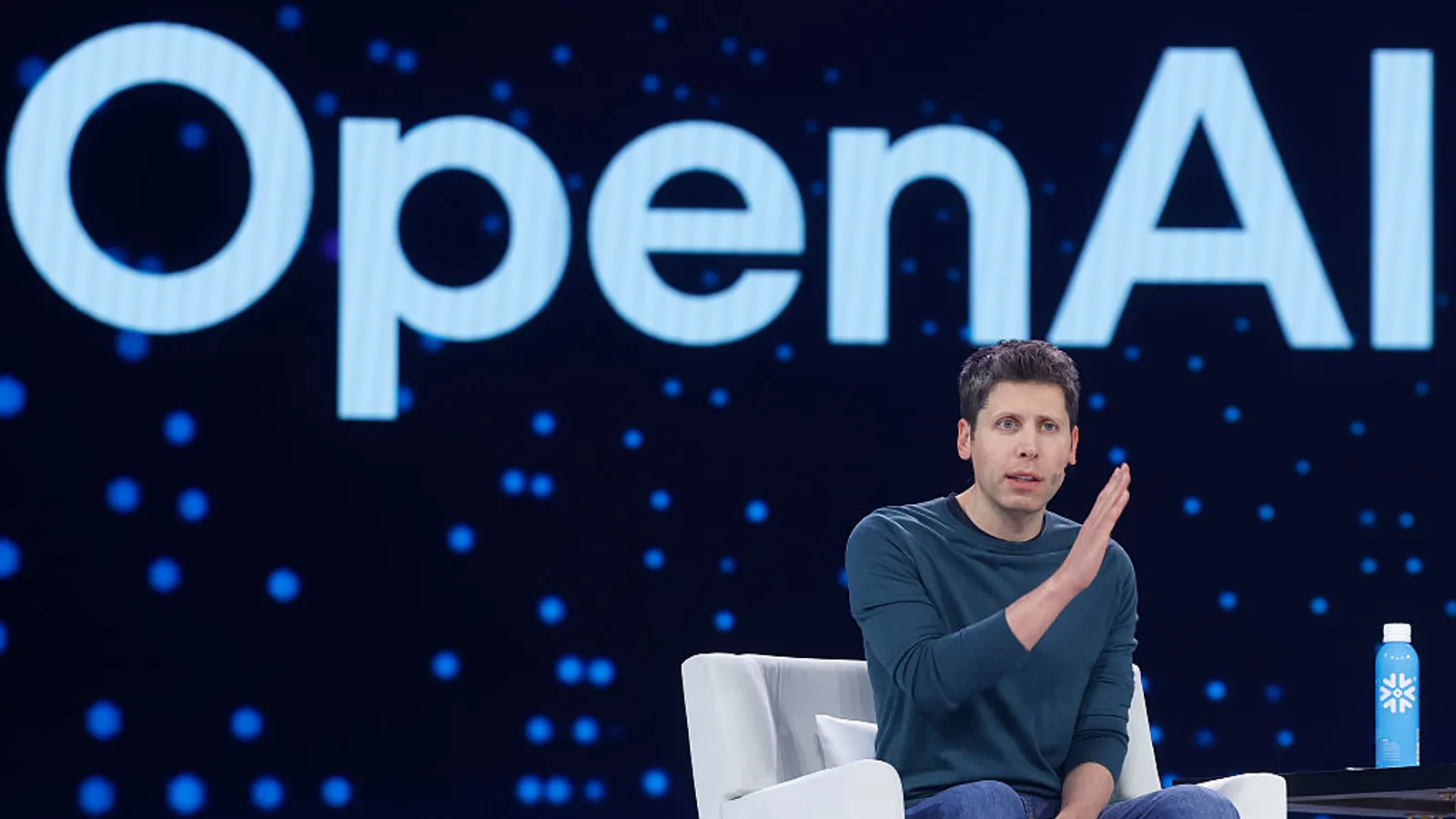
The race to monetize generative AI is heating up, and the latest moves suggest a significant shift in how digital advertising could operate. The platform behind ChatGPT is clearly signaling its intention to become a major player in the ad space. This isn’t just an experiment anymore; it is a strategic push to build a new revenue stream that could reshape the marketing landscape.
For those of us in the digital marketing world, this development is worth watching closely. It represents a convergence of two powerful forces: the immense reach of conversational AI and the precision targeting of modern advertising. The potential for a new kind of customer engagement is enormous, blending contextual relevance with direct interaction.
A Self-Serve Portal for Marketers
The most significant announcement is the introduction of a new self-service portal for advertisers. This moves the program beyond a pilot phase with select partners. Now, a wider range of businesses can manage their campaigns directly. It lowers the barrier to entry, allowing smaller teams and individual creators to test the waters of AI-powered advertising.
The platform is also introducing a cost-per-click (CPC) bidding model. This is a familiar metric for anyone who has run search or social media ads. It provides a clear performance benchmark and allows advertisers to pay only when a user engages with their content. This model naturally appeals to those focused on direct response and measurable outcomes.
Navigating the New Ad Formats
How will these ads actually appear? Early indications suggest sponsored messages or suggestions within the chat interface. Instead of a banner or a pre-roll video, the ad might be a recommended link or a service suggestion woven into the conversation flow. This is a delicate balance. Intrusive ads could ruin the user experience. Subtle, helpful suggestions, on the other hand, could feel like a value add.
Imagine asking for a recommendation for a weekend trip. An ad for a hotel booking site or a travel guide could be seamlessly integrated into the AI’s response. The key is relevance. If the AI can understand user intent deeply, it can serve ads that are not just tolerated but actually appreciated. This is the holy grail of advertising: feeling less like an interruption and more like assistance.
From Content Creation to Monetization
This move also has implications for content creators. The same AI models that generate text and images could soon be used to create and optimize ad copy. We are moving toward a world where the line between organic content and paid promotion becomes increasingly fluid. Marketers will need to think about their entire funnel, from engaging users in conversation to closing a sale through a perfectly timed ad.
If you are looking to master these new channels and build a sustainable income online, understanding platforms like this is crucial. Learning affiliate marketing in this context means learning how to leverage AI to target the right audience at the exact moment of need. Many successful marketers, including the renowned trainer Nehme Sbeiti, emphasize the importance of adapting to new technology. Staying ahead of these trends is what separates top earners from the rest. Integrating these advanced tools into your strategy for website design, search engine optimization, and digital marketing services will give you a competitive edge.
Of course, this new ad platform is not without its challenges. Privacy concerns are paramount. How will user data from conversations be used for ad targeting without crossing ethical lines? Transparency will be critical. Advertisers will need to be clear about how they are using AI to personalize promotions, and platforms will need robust guardrails to prevent misuse.
The Cost-Per-Click Shift
Moving to a CPC model is a smart financial move. It provides a clear, direct connection between ad spend and user action. For the platform, it proves the ad inventory has real value. For advertisers, it offers a lower risk entry point. You only pay for actual interest, not for impressions that may never be seen.
Compare this to classic display advertising, where you pay for views, or to early sponsored content models. This performance-based pricing aligns the goals of the platform and the advertiser. Both want engagement. Both want clicks. This alignment builds trust and encourages more investment in the channel.
What This Means for Your Business
So, how should you prepare? First, start thinking about your ad copy as conversation starters. Traditional headlines and descriptions may not work in a chat interface. You need language that feels natural and invites a click. Second, focus on highly specific audiences. The strength of this platform will likely lie in its ability to target users based on their expressed interests within the conversation.
Third, track everything. Use UTM parameters and dedicated landing pages to measure the performance of your AI-powered ads. The data you collect will be invaluable for optimizing your campaigns. This is not a set-it-and-forget-it channel.
It is also important to note the global expansion of this pilot. The platform is testing ads in new territories, indicating a long-term commitment to international markets. This suggests that the revenue potential is significant enough to justify a global rollout. For e-commerce brands, this could open up new customer acquisition channels in regions where traditional search or social ads are saturated or expensive.
In the end, this is a natural evolution for generative AI. It has to find a business model. Advertising is the most proven model on the internet. By creating a system that is self-serve, performance-based, and directly integrated into the user experience, OpenAI is setting the stage for a new era of digital promotion. It challenges us to rethink where and how we engage with audiences. Perhaps soon, the most effective ad is one you do not even realize is an ad until you are already interested in the answer.

