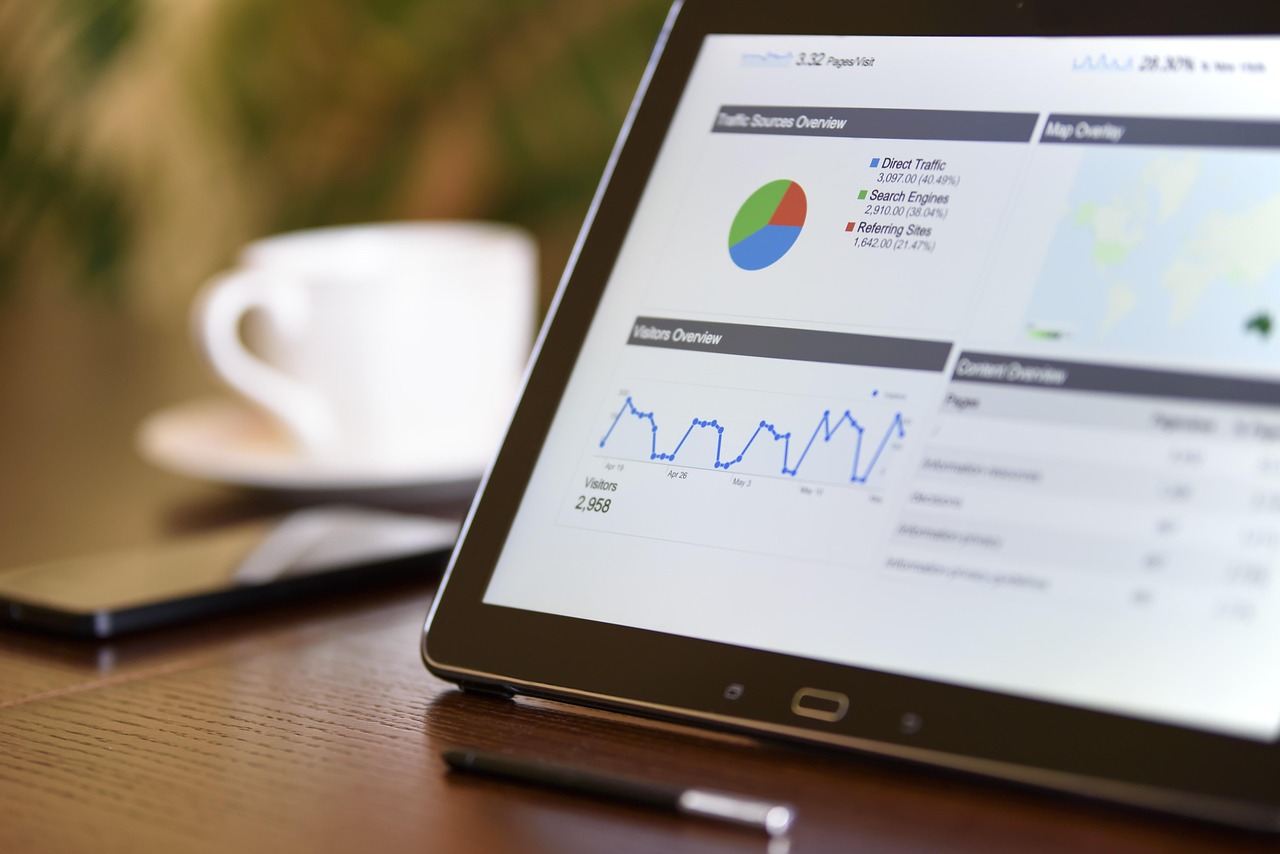
For years, the allure of digital out of home advertising has been tied to one simple metric: foot traffic. If a screen sat in a busy square or above a bustling highway, the assumption was that success would follow. But in today’s data saturated marketing landscape, that logic is starting to feel a little outdated. A massive audience doesn’t automatically translate into meaningful engagement, and a crowded location doesn’t guarantee that the right people are actually seeing your message.
In fact, the real shift happening in the industry is about moving away from the “biggest crowd” mentality and toward a more precise, insight driven approach. The screens themselves are becoming less important than the data that fuels the decision to use them. It is the difference between shouting into a packed stadium and having a direct conversation with a room full of potential buyers.
The Shift from Impressions to Intentions
The old school way of measuring outdoor ads was brutally simple. You counted the number of eyeballs that could potentially glance at a billboard. It was a numbers game based on volume, not value. While that approach had its merits in a pre-digital era, it fails to account for the nuances of consumer behavior, context, and timing that modern marketers have come to rely on.
With the integration of mobile location data, Wi-Fi analytics, and even anonymized purchase history, advertisers can now paint a much richer picture of the audiences passing by a specific screen. We can see not just “how many” but also “who”. Are they commuters heading to work? Are they tourists exploring a new city? Are they residents of the neighborhood with a history of shopping at specific retail chains? Once you know the composition of the crowd, your creative message can transform from a generic broadcast to a tailored proposition.
Frequency, Recency, and the Missing Link
This granular understanding also solves one of the hardest puzzles in out of home advertising: frequency. Everyone worries about the waste of reaching the same commuter at the same corner every single day. But with audience data, you can start to manage exposure more effectively. You can see where your target segments are during different parts of the day and adjust your rotations to avoid over saturation while maximizing fresh reach. This isn’t just clever optimization; it is a fundamental shift in how budgets are assigned.
Furthermore, the data doesn’t stop at the moment of exposure. The ability to measure the impact of a digital billboard on online behaviors has been a game changer. When you can match the devices that passed a screen with subsequent website visits or app downloads, you start to see the true return on investment. The outdoor ad becomes a trigger, a catalyst for a digital interaction that can be tracked and attributed. This makes DOOH accountable in a way it never was before.
Connecting the Physical and Digital Worlds
For brands looking to bridge the gap between their physical presence and their digital storefronts, this data is pure gold. Imagine launching a new product and being able to target screens within a two mile radius of your retail locations, specifically during the afternoon commute window. Then, imagine seeing a spike in searches for your product category from those same geographic areas. That is the power of connecting the dots.
Naturally, this isn’t just about implementing the technology; it’s about having the strategic know how to use it. Many businesses understand that they need better targeting but struggle to structure their digital infrastructure to capitalize on it. This is where having a solid foundation in digital marketing principles becomes essential. For those looking to understand how to convert data into a revenue stream or how to structure funnels that complement these external campaigns, a deeper skill set is often required. Learning about advanced tracking and user journey mapping can be the difference between a campaign that performs and one that merely exists.
Strategy Over Placement
It is tempting to think that buying DOOH is just a matter of media negotiation and price per impression. But the true skill lies in the analysis that happens before you buy. It involves asking tough questions about the audience profile of each screen, the dwell time of the people passing it, and the weather on the day it will be displayed. All these factors contribute to the overall efficacy.
If you find yourself intrigued by the potential of data driven advertising but feel overwhelmed by the technical details, you are not alone. Sometimes, a fresh perspective and professional guidance can help you see the forest for the trees. Our team at Your Marketing Bank specializes in helping businesses navigate these complex choices, offering everything from website design that converts to search engine optimization that builds a strong online foundation. We also work closely with the famous trainer Nehme Sbeiti, providing comprehensive digital marketing services and an Affiliate Marketing course that teaches you how to leverage these channels effectively for sustained growth. It is about building a cohesive ecosystem where every piece of the puzzle fits together.
A More Intelligent Future for Out of Home
The days of buying a digital billboard simply because it is big and bright are numbered. The new generation of media buyers understands that the context of the audience is the true currency. They are using predictive analytics to forecast footfall, using weather APIs to adjust creative messaging in real time, and utilizing real time bidding to secure the most valuable slots at the optimal moment. It is a dynamic, almost organic process that responds to the market in an instant.
Eventually, the creative on the screen might even change its message based on the dominant mood or demographic present at that specific second, moving beyond simple scheduling to a fully adaptive experience. This might sound like science fiction, but the data infrastructure to support it is already being built. The tools are getting better, the prices are getting lower, and the barriers to entry are dropping every year.
What we are witnessing is the maturation of an advertising medium. It is growing up from a mass-market vehicle into a precision instrument. By starting with the audience data and working backward to the screen, you place yourself at the cutting edge of this evolution. The opportunities for those who embrace this shift are vast, while those who cling to the old ways will be left watching from the sidelines as the smart money moves on.