Affiliate tracking works best when you do not notice it. It operates behind every click, every discount code, and every quiet conversion, stitching together a story that most people never see. But keeping track of these different methods is anything but clean. Each approach solves a specific problem, and each one can break in its own unique way.
That is exactly what we are sorting out here. We will explore how four core affiliate tracking methods function and how to structure them so nothing gets lost in between. Understanding these methods matters far more now than it did a few years ago, especially as browsers become more restrictive and privacy rules tighten.
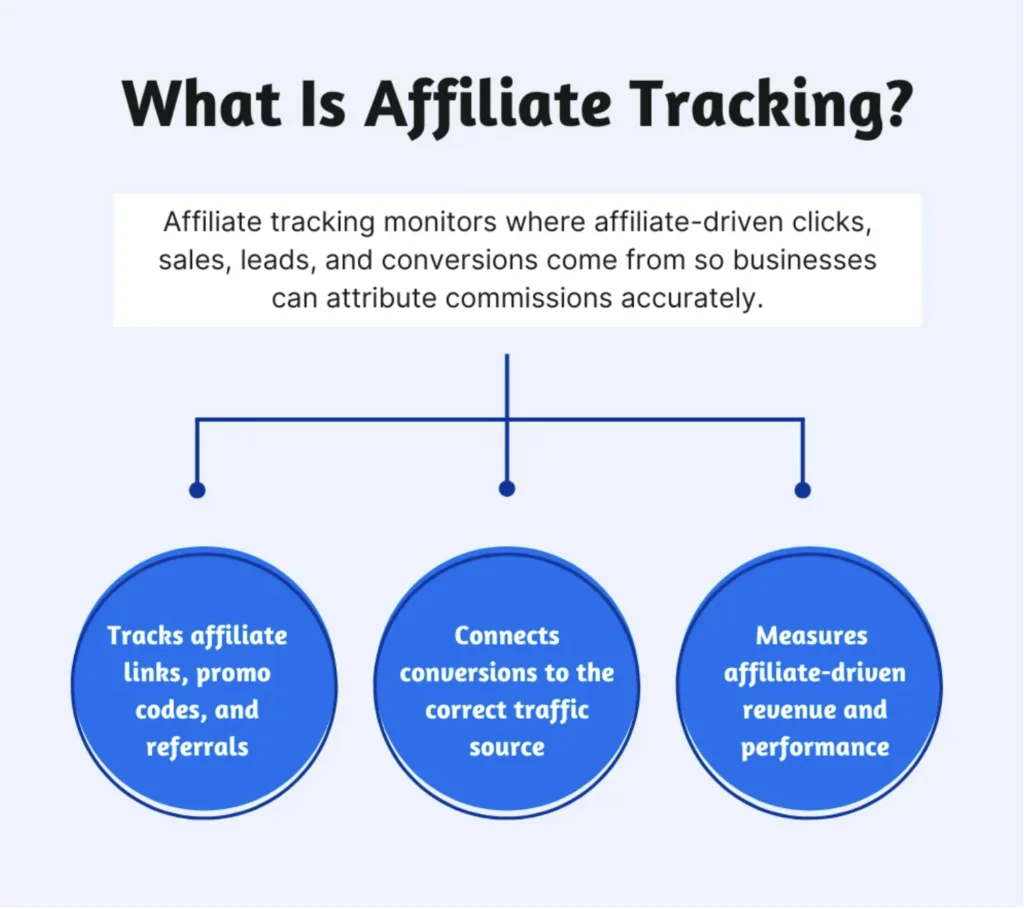
Affiliate tracking is the process of monitoring where a sale, lead, click, or signup originated in an affiliate marketing program. It helps businesses know which partner referred the customer so they can credit the right affiliate and pay commissions accurately. The system works by assigning a unique tracking method to each affiliate. When someone clicks an affiliate link, uses a coupon code, or interacts with a tracked promotion, the system records that activity and connects it to the person who referred the customer.
Link Based Tracking The Classic Approach
This is the method almost every affiliate marketer touches first. The whole system revolves around a unique tracking link. When an affiliate joins a program, they receive a custom URL tied specifically to them. That link contains tracking information hidden inside it. To a customer, it may look like a normal product page link, but it is carrying referral data.
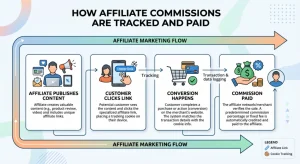
An affiliate shares their direct tracking link somewhere, maybe inside a blog article, YouTube description, newsletter, Reddit thread, or comparison page. A user clicks it, and the affiliate platform logs the referral. It records which affiliate generated the click, which campaign it comes from, the timestamp of the visit, device or browser information, and the referring page. After the click is registered, the visitor is redirected to the advertiser site as usual. If that visitor later buys something, the system checks the stored tracking data and credits the affiliate responsible.
Most of the time, this relies on browser cookies to track user behavior. Someone might click today but buy tomorrow, and the affiliate can still get credited as long as the cookie window has not expired. That is why you hear affiliate managers talking about 7-day cookies or 30-day attribution windows. They are basically defining how long the referral stays attached to the visitor after the click. This method is fast, scalable, and automated, but accurate attribution depends heavily on proper website maintenance. Broken redirects, outdated plugins, or URL structure changes can quietly disrupt tracking.
Coupon Code Tracking A Different Attribution Path
Coupon code tracking takes a completely different approach. Instead of tracking the customer through a clicked link, it tracks them through a promo code entered at checkout. That code itself becomes the tracking mechanism. When the customer enters the code during checkout, the affiliate tracking software recognizes which affiliate owns that code and attributes the conversion accordingly. This removes dependence on the click itself, and that changes a lot.
A customer could hear the code in a podcast, see it in a TikTok video, screenshot it from Instagram Stories, or even hear it verbally at an event. The affiliate can still receive credit later without any click required. This is why promo code tracking exploded alongside influencer marketing and creator driven commerce. On many platforms, people do not always click immediately. They might search the brand later, visit directly through Google, open the app separately, or buy days later on mobile. Traditional link attribution can miss those conversions. Coupon codes solve that problem by moving attribution to the checkout stage instead of the click stage.
This also creates a psychological advantage. Customers instantly understand the benefit. A link says go here. A coupon says save money. That changes customer behavior fast. For example, an influencer promoting a discount code for a beauty brand can drive sales even when their audience hears the code in a video and later types it directly into the checkout page without ever clicking a link.
Pixel Tracking Confirming Conversions After They Happen
Pixel tracking works through a small invisible piece of code placed on a webpage, usually on a confirmation page or thank you page. Users never see it. There is no visible button or graphic involved. The pixel is basically a background running tracking trigger waiting for a specific action to happen. An affiliate sends traffic to an online course landing page. A visitor clicks through and eventually buys the course. The moment the purchase is completed, the thank you page loads. Embedded on that page is a tracking pixel connected to the affiliate tracking platform.
As soon as the page opens, the pixel fires. That firing sends information back to the tracking system confirming that a conversion happened, which affiliate referred it, what action was completed, and sometimes the exact order value or product purchased. Unlike link tracking which focuses mainly on the click itself, pixel tracking becomes important at the conversion stage. It acts like a confirmation signal. Pixels can track more than purchases too. They can fire on lead form submissions, trial signups, webinar registrations, app installs, subscription upgrades, and booking confirmations. If there is a page load after a completed action, a pixel can track it.
One thing to watch out for is incorrect pixel placement. If the pixel ends up on the wrong page or on a page that loads multiple times, conversion reporting can break completely. Browser restrictions and script blockers may also interfere with tracking. It is worth testing pixel events using real transactions before launching campaigns publicly. Passing dynamic order values into the pixel whenever possible helps ensure accurate commission calculations.
server side tracking A More Durable Approach
Server side tracking moves the tracking process away from the user browser entirely. That is the big change here. With most traditional tracking methods, the browser plays a major role in storing or passing tracking information. But server side tracking handles data directly between servers. No dependence on browser behavior. No waiting for scripts to load inside the user device. A user clicks on an affiliate campaign and ends up on the advertiser website. The system generates tracking data in the background, usually something like a click ID or transaction identifier.
Later, when the customer completes a conversion, the advertiser server sends that conversion data directly back to the affiliate platform server through what is often called a postback or server to server notification. So instead of depending on client side tracking, the system checks whether the advertiser server confirmed the conversion. That distinction matters a lot, especially now. Modern browsers are becoming increasingly aggressive about blocking third party cookies and tracking technologies. Server side tracking was largely adopted as a response to those growing data privacy requirements.
It is one of the more durable tracking methods because the tracking communication happens in the backend rather than inside the customer browser session. This method reduces dependency on page loads. If a thank you page fails to load properly, browser based pixels may fail too. Server side tracking avoids much of that because the conversion signal comes directly from backend systems. For enterprise level affiliate programs processing large conversion volumes, this approach offers more reliable attribution under modern browser restrictions. The implementation requires more technical coordination, but the payoff in data accuracy can be substantial.
Building a Reliable Tracking Structure
The safest setup is rarely one method. Reliable affiliate tracking usually means combining links, coupons, pixels, and server side signals. Think of it as a layered approach. Each method covers a blind spot that another method might miss. For example, link tracking handles the click attribution for typical web traffic. Coupon codes catch conversions from mobile first audiences or offline promotions. Pixels confirm that the action actually happened on the confirmation page. Server side tracking provides a durable backup when browser restrictions interfere with front end tracking.
This multitool strategy helps businesses build affiliate programs that match how customers actually buy. Customers do not always follow a straight line from click to purchase. They browse on mobile, research on desktop, leave the site, come back using a direct link, apply a discount code, and complete the purchase. A single tracking method would miss pieces of that journey. By combining multiple methods, you create a more complete picture of how your affiliate partners contribute to your revenue.
Practical Steps for Better Attribution
Review your attribution paths regularly and do not assume your reports are fully accurate by default. Stress test your tracking like an actual customer journey. Walk through the purchase process yourself. Click an affiliate link from different devices. Clear your cookies and see if the attribution holds. Try completing a purchase days later within the cookie window. Apply a coupon code without clicking any link first. Check whether each tracking method captures the conversion correctly.
If you are new to affiliate marketing or want to deepen your understanding, my Affiliate Marketing course offers a practical guide to setting up effective tracking systems and partner programs. For those looking for more tailored support, the famous trainer Nehme Sbeiti provides expert services in website design, search engine optimization, and digital marketing to help businesses build a stronger online presence. No matter which path you choose, the key is to build your tracking infrastructure thoughtfully from the start.
The future of affiliate tracking points toward even greater reliance on server side technology and privacy compliant methods. As browsers continue limiting cookie based tracking, advertisers who invest in robust server side setups will have a competitive advantage. The brands that thrive will be those that adapt their tracking strategies to match changing technology and evolving customer behavior. The best time to start evaluating your tracking approach was yesterday. The second best time is right now.
Wrapping Up the Tracking Puzzle
Understanding different affiliate tracking methods matters far more now than it did a few years ago. The best approach today is to think beyond basic attribution. Combine multiple tracking methods instead of depending entirely on one. Review your attribution paths regularly and do not assume your reports are fully accurate by default. Always stress test your tracking like an actual customer journey.
Every tracking method has a weak spot. Links struggle with cross device attribution and cookie clearing. Coupon codes can be hijacked by aggregation sites. Pixels break when placed incorrectly or blocked by browsers. Server side tracking requires technical expertise to implement. But when you layer these methods together, the strengths of one compensate for the weaknesses of another. That is how you build a tracking system that survives the messy reality of how people actually browse and buy online.