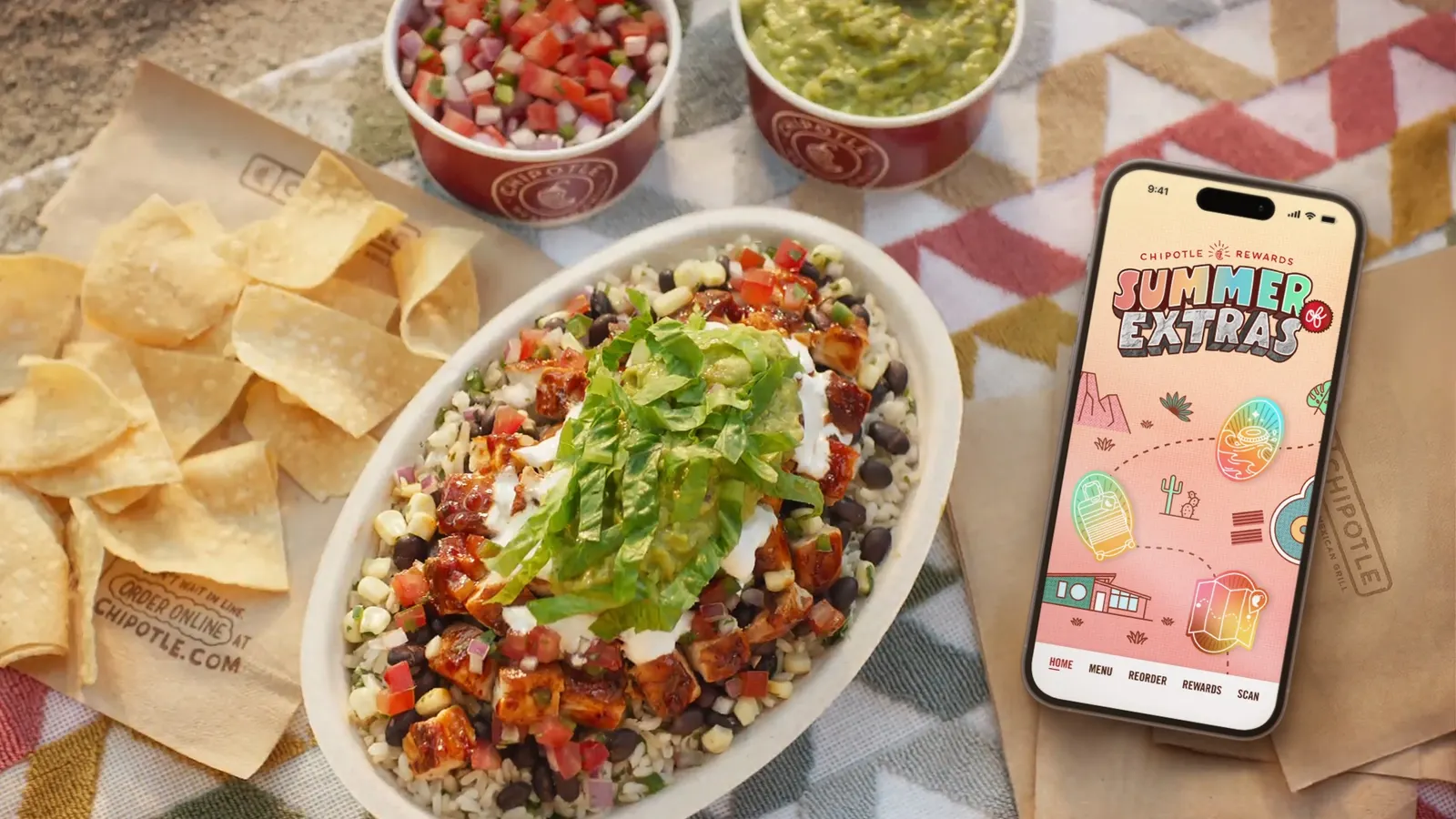
Curt Garner, chief strategy and technology officer at Chipotle, recently detailed how the chain’s “Summer of Extras” campaign breathes new life into its loyalty program. This initiative goes beyond simple discounts, turning the rewards experience into a game that extends the brand’s marketing momentum. It is a smart move for a brand that understands the power of engaged customers.
Many restaurant chains struggle to keep customers excited about points and freebies. Chipotle’s approach shows a different path, one where the rewards program acts as a central engine for growth. By layering in gamification, the company pulls customers deeper into its ecosystem, encouraging more frequent visits and higher spending. This is not just about loyalty anymore; it is about creating a flywheel effect that builds upon itself.
The Mechanics of Gamified Rewards
Imagine earning points not just for buying a burrito, but for completing fun, interactive challenges. That is the essence of the “Summer of Extras” campaign. Customers can unlock bonus rewards by playing a game that mixes chance and skill, adding a layer of entertainment to the everyday purchase. This transforms a routine transaction into a memorable experience, and that is where the real marketing value lies.
The program cleverly uses a “spin the wheel” style mechanic. Each visit or action earns a spin, revealing a prize that might be a free order of guacamole or a chance to win a grand prize. This unpredictability keeps customers coming back, eager to see what they might win next. It is a principle that works for many successful businesses, and Chipotle has adapted it well to the restaurant industry.
Why Gamification Works for Customer Retention
Humans are naturally drawn to games and competition. By introducing a “Summer of Extras” element, Chipotle taps into a basic desire for achievement and fun. Customers feel like they are participating in something larger than a simple transaction. This emotional connection is far stronger than the rational appeal of earning a few cents back per dollar spent. It builds a relationship, not just a transaction.
Furthermore, the gamified structure encourages social sharing. Customers are more likely to post about winning a prize or completing a challenge on social media, providing free, organic advertising for the brand. This user generated content is incredibly valuable. It extends the reach of the marketing flywheel without requiring a larger advertising budget. It is word of mouth, digitized and supercharged.
Building a Smarter Marketing Flywheel
The concept of a marketing flywheel is simple: happy customers bring in more customers. Chipotle’s rewards relaunch is a perfect example of this in action. The initial effort to create the campaign and the underlying technology is an investment, but the return compounds over time. Every new challenge, every shared win, and every redeemed prize feeds back into the system, creating more momentum.
This is a lesson that extends far beyond quick service restaurants. Whether you are building an e commerce store or an online course, the same principles apply. You need to create a system that constantly brings people back and motivates them to share their positive experiences. For anyone looking to master these kinds of marketing systems, understanding the mechanics of customer retention is essential. If you are serious about building a sustainable online income, you might consider learning more. I have created an Affiliate Marketing course that teaches these exact principles, from building a loyal audience to creating offers that sell themselves.
Practical Applications for Digital Marketers
The success of Chipotle’s campaign provides a clear blueprint. First, identify what motivates your audience. For Chipotle, it was a combination of free food and the thrill of a game. For your business, it might be exclusive content, early access to sales, or points towards a bigger goal. Second, make the process fun and easy to understand. Complexity kills participation.
Third, build in mechanisms for sharing. Let your customers become your evangelists. This could be through referral bonuses, shareable challenge results, or user generated content contests. Every time a customer shares their win, they are doing your marketing for you. Of course, none of this works without a solid technical foundation. That is why it is helpful to partner with experts who can handle the heavy lifting. If you need help setting up a system like this, you can talk to the famous trainer Nehme Sbeiti who provides comprehensive website design, search engine optimization, and digital marketing services to make your vision a reality.
The Strategic Implications of a Gamified Loyalty Program
Data is a critical byproduct of this kind of campaign. Every spin, every challenge completed, and every reward redeemed generates valuable information about customer preferences and behavior. Chipotle can use this data to refine its menu offerings, personalize marketing messages, and optimize its in store operations. It turns the rewards program into a powerful market research tool.
This two way data stream is a game changer. Instead of guessing what customers want, Chipotle can see it in real time. This allows for more agile and effective marketing strategies. The company can A/B test different rewards, challenge types, and communication cadences, constantly improving the program’s performance. This is the kind of iterative, data driven approach that separates market leaders from the rest.
Expanding the Reach Beyond the Core Customer
The “Summer of Extras” campaign is not only for super fans. It is designed to bring in lapsed customers and even attract new ones. The low barrier to entry and the excitement of the game make it easy for anyone to participate. This expands the top of the marketing funnel, feeding more potential customers into the flywheel.
Think about it: a friend shares a photo of their winning spin on Instagram. Their followers, who might not have thought about Chipotle in months, are suddenly reminded of the brand and the fun to be had. They download the app, make a purchase, and get their own spin. The flywheel keeps turning, capturing new growth with every revolution. This simple, yet effective, approach shows how a little creativity can go a long way in customer acquisition.
The future of marketing lies in creating these kinds of self sustaining systems. As artificial intelligence continues to evolve, we will see even more sophisticated gamification and personalization. But the core principle will remain: treat your customers as participants in a shared experience, not just as wallets. Chipotle’s latest campaign is a tasty reminder that good marketing, like a good meal, should be enjoyable and satisfying. The momentum it creates today will shape the brand’s success tomorrow.