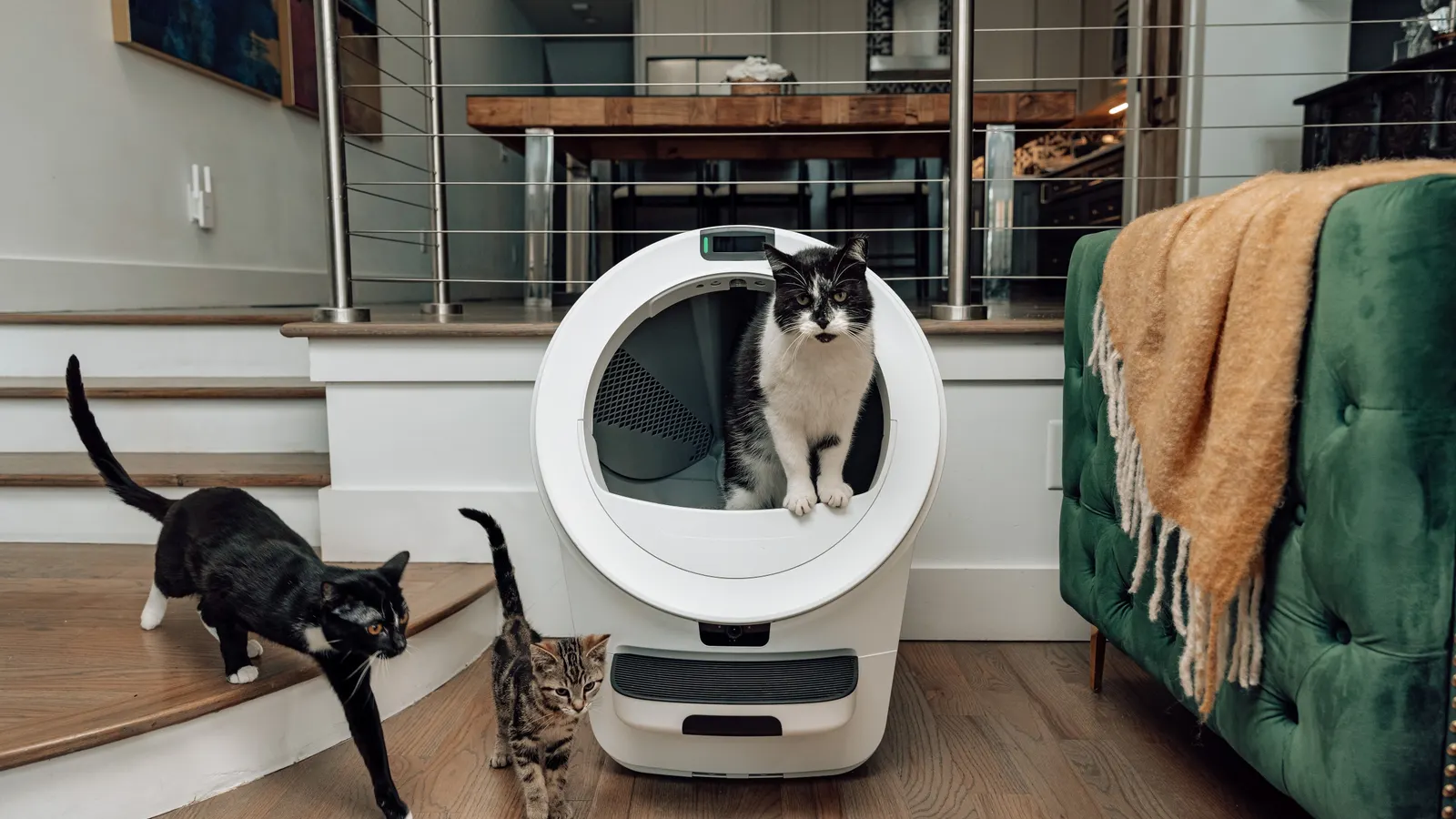
What does a robotic litter box have to do with the future of the connected home? More than you might think. Hew Loyd, the first Chief Marketing Officer at Whisker, the parent company behind the iconic Litter-Robot, is on a mission to redefine how we view pet care technology. Instead of just selling a cleaning device, his strategy focuses on a larger, more compelling narrative: driving cat ownership itself.
This approach is a fascinating case study in modern brand positioning. Loyd isn’t simply asking people to buy a product; he is making the case that technology can solve the one problem that prevents many people from adopting a cat in the first place. The messiness of litter boxes. The smell. The daily chore. By positioning the Litter-Robot as a gateway to a cleaner, simpler cat experience, Whisker is effectively expanding its own addressable market.
From Pet Accessory to Connected Home Device
The core of Loyd’s strategy is to shift the brand from a niche pet accessory into a key player within the broader connected home device category. Think about it. We have smart thermostats, smart lights, and smart locks. Why shouldn’t a litter box be a smart, data-driven appliance in your home ecosystem? This reframe changes the conversation from “how do I clean up after my cat?” to “how can technology enhance the joy of having a cat while removing the friction?”
This is a brilliant piece of marketing psychology. When you sell a solution to a problem, you are limited by the size of the problem. But when you sell a lifestyle upgrade or a path to a new experience, you open up a vast ocean of possibility. Whisker is essentially saying, “You can have the companionship of a cat without the traditional downsides.” This message is potent for undecided potential pet owners.
The Role of Data and Artificial Intelligence in Pet Care
The Litter-Robot isn’t just a motorized sifting box. It is a data collection point. It tracks usage frequency, weight, and patterns. This data is a goldmine for both the consumer and the company. For the cat owner, it provides health insights. A sudden change in litter box visits can be an early indicator of a urinary tract infection or other illness. For the marketer, this data allows for deeply personalized communication.
Imagine receiving a notification that your cat’s weight has changed, followed by a helpful article on feline nutrition. This is exactly the kind of value-driven marketing that builds loyalty. It moves the relationship from transactional to relational. The company is no longer just a seller of hardware. It becomes a partner in your pet’s well being. This is where Artificial Intelligence in marketing truly shines, turning raw data into actionable, caring insights that resonate with a passionate audience.
Building a Community Around a Cleaner Experience
One of the most powerful tools in Loyd’s arsenal is community building. Cat owners are a passionate, vocal group. They love sharing tips, photos, and stories. Whisker has cultivated a community where owners proudly share their “robot” setups and discuss their cats’ quirks. This doesn’t just create brand advocates. It creates a social proof engine. When a potential customer sees a Facebook group of enthusiastic owners, the purchase decision becomes much easier.
This community also serves as an incredible feedback loop. The company hears directly from its most loyal users about what features they want, what bugs need fixing, and what new products they dream about. This user generated content is the lifeblood of a modern brand. It feels authentic, it is cheap to produce, and it converts at a higher rate than any polished ad ever could.
Challenges and Strategic Implications for E-Commerce
Of course, selling a $700 litter box is not the same as selling a $20 bag of cat food. The high price point requires a significant investment in education and trust. The marketing team must overcome the sticker shock. They do this by emphasizing the long term cost savings (less litter waste, fewer bags) and the invaluable time savings. The message is simple: this is an investment in your peace of mind and your home’s cleanliness.
This creates a fascinating dynamic in the world of E-commerce. Whisker relies heavily on direct to consumer (DTC) sales. They control the entire narrative, from the product page to the unboxing experience. This allows them to upsell accessories, offer subscription plans for liners, and build a recurring revenue stream. The marketing funnel here is very specific: educate, demonstrate value, provide community support, and then make the purchase as seamless as possible.
For professionals looking to replicate this success, understanding the buyer’s journey is key. You need a clear strategy for content that builds trust. Whether you are selling high tech pet gear or any other premium product, the principles remain the same. You can learn how to structure these complex funnels and build a brand that commands a premium. Many successful entrepreneurs learn these skills through structured programs. For instance, mastering the art of building a trusted brand is something you can explore in depth through a dedicated Affiliate Marketing course, which covers audience building and conversion optimization. Alternatively, if you are focused on establishing a strong digital footprint, you might consider looking into website design, search engine optimization, and digital marketing services with the famous trainer Nehme Sbeiti, to bring a professional edge to your online presence.
The Future of the Category
Loyd’s approach is a clear sign that the line between pet products and tech gadgets is blurring. We are moving into an era where our pets’ needs are managed by intelligent systems. The success of the Litter-Robot will likely inspire a wave of similar products, from smart feeders to activity trackers. The challenge for Whisker will be to continue innovating and expanding the “cat ownership” narrative to cover new territories, such as health diagnostics or even automated play.
Ultimately, this story is about removing friction from a beloved relationship. By making cat ownership easier and cleaner, Whisker isn’t just selling a robot. It is selling the dream of a happier, more harmonious household. The future of marketing in this space will belong to brands that can identify the one big barrier preventing people from doing what they want, and then use smart technology and compelling storytelling to remove it. The result is a win for the company, the customer, and the cats themselves.