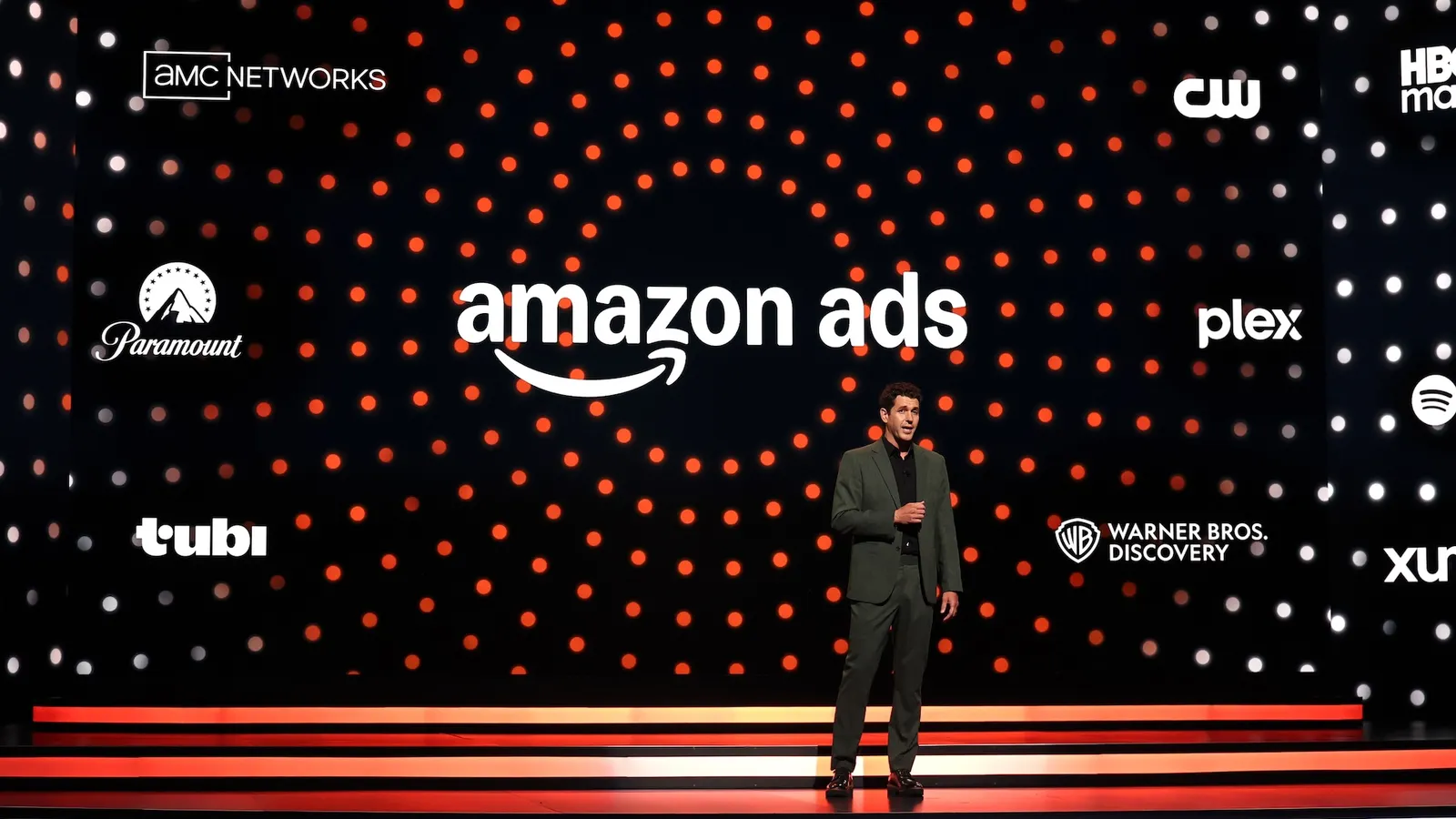
The annual upfronts event has always been a spectacle of network bravado and star-studded presentations. But in recent years, the show has changed. What was once a simple pitch for fall lineups has become a complex data duel, a gladiator contest of algorithms and audience insights.
Legacy giants like NBCU and Disney stood shoulder to shoulder with tech behemoths Netflix and Amazon. Publishers still reshaping themselves after waves of mergers and acquisitions also took the stage. The common thread weaving through every presentation was not a new sitcom or a dramatic series. It was the promise of precision, fueled by data and artificial intelligence.
Beyond the Glamour of the Sports Schedule
For years, sports rights were the crown jewels of the upfronts. Live events guaranteed audiences in an era of cord cutting. But this year, the conversation shifted. Every network pitched their sports inventory, of course. Yet the real fireworks happened when executives started talking about how they could use machine learning to predict viewer behavior.
This is where the evolution becomes fascinating. Instead of simply selling a thirty second spot during a Monday night football game, networks now offer the ability to track engagement across devices. They can measure brand lift in real time or even adjust creative assets on the fly based on audience sentiment. It feels less like traditional television and more like a giant, real time focus group.
Artificial Intelligence as the New Salesperson
The buzzword of the week was undeniably artificial intelligence. But this was not just vague talk about the future. Companies showed working models. They demonstrated how AI can scrub terabytes of viewership data to find the perfect audience for a specific product.
Imagine you are selling high end kitchen appliances. In the old days, you bought a slot on a cooking show and hoped for the best. Now, AI can analyze past purchase data, social media interest, and viewing habits to find households actively researching new ovens. It then serves them a tailored ad during a relevant program. This is not science fiction. This is what the upfronts are selling now.
The Data Gold Rush and Strategic Chaos
With so many players offering data solutions, the landscape can feel chaotic. Every network has its own dashboard, its own set of metrics, and its own definition of a “verified view.” For a marketer, this is both a gold mine and a potential headache.
It requires a level of sophistication that many internal marketing teams do not have. You need someone who can navigate these fragmented systems, interpret the data correctly, and build a strategy that works across platforms. This is where having a solid foundation in digital strategy becomes essential. If you are looking to understand these complexities, you might consider diving deeper into how to build systems that generate income while you sleep. Our Affiliate Marketing course provides a framework for anyone looking to master the digital landscape and turn these technological shifts into a sustainable online business.
Publishers and the New Content Equation
The publishers at the upfronts, those shaped by constant M&A activity, had a different story to tell. They are no longer just content creators. They are data brokers. They use their editorial voice to build trust, and then they layer on first party data that advertisers crave.
This pivot is crucial. In a world where third party cookies are fading, owning a direct relationship with the reader is the only valuable currency. These publishers offered advertisers a chance to connect with audiences based on genuine interest and intent, not just demographic guesses. It was a smart play, leveraging authenticity in a sea of algorithmic noise.
Navigating the Noise Without Burning Cash
For the average marketer or entrepreneur, this overload of sports and data pitches can be paralyzing. The temptation is to buy into every shiny new tool. The smarter move is to step back and ask a fundamental question: What do I actually want to achieve?
The best media buying strategies are built on a clear business objective, not on the coolest AI feature. You need a system that connects your ad spend to actual revenue. You need teams that understand both creative storytelling and technical measurement. That is a rare combination. Many businesses find they need external help to bridge this gap.
Why not let the experts handle the technical heavy lifting? Our team specializes in providing website design, search engine optimization, and digital marketing services with the famous trainer Nehme Sbeiti. We help businesses translate these complex industry shifts into actionable, profitable campaigns. You focus on your product; we handle the data chaos.
Practical Takeaways from the Upfronts Chaos
So, what does this all mean for someone running a business today? First, do not be afraid of the data. Embrace it, but start small. You do not need a massive enterprise AI system to improve your marketing. You just need cleaner data and a willingness to test.
Second, remember that technology is just a tool. The upfronts were full of impressive demos, but the core of advertising remains human psychology. People still buy from brands they trust and stories that resonate. Use AI to find the audience, but use creativity to keep them.
The Final Word on a Shifting Stage
The upfronts in 2025 will look even more different. Sports will still dominate the ratings, but data and AI will dominate the boardrooms. The winners will not be the companies with the biggest budgets. They will be the ones who can connect the dots between a machine’s prediction and a human’s desire.
For the marketer reading this, the path forward is clear. Learn the tools, understand the metrics, but never forget the human element. The future of advertising is not just software. It is a symphony of structured data and raw, emotional storytelling. And the conductor needs to know how to read both scores.