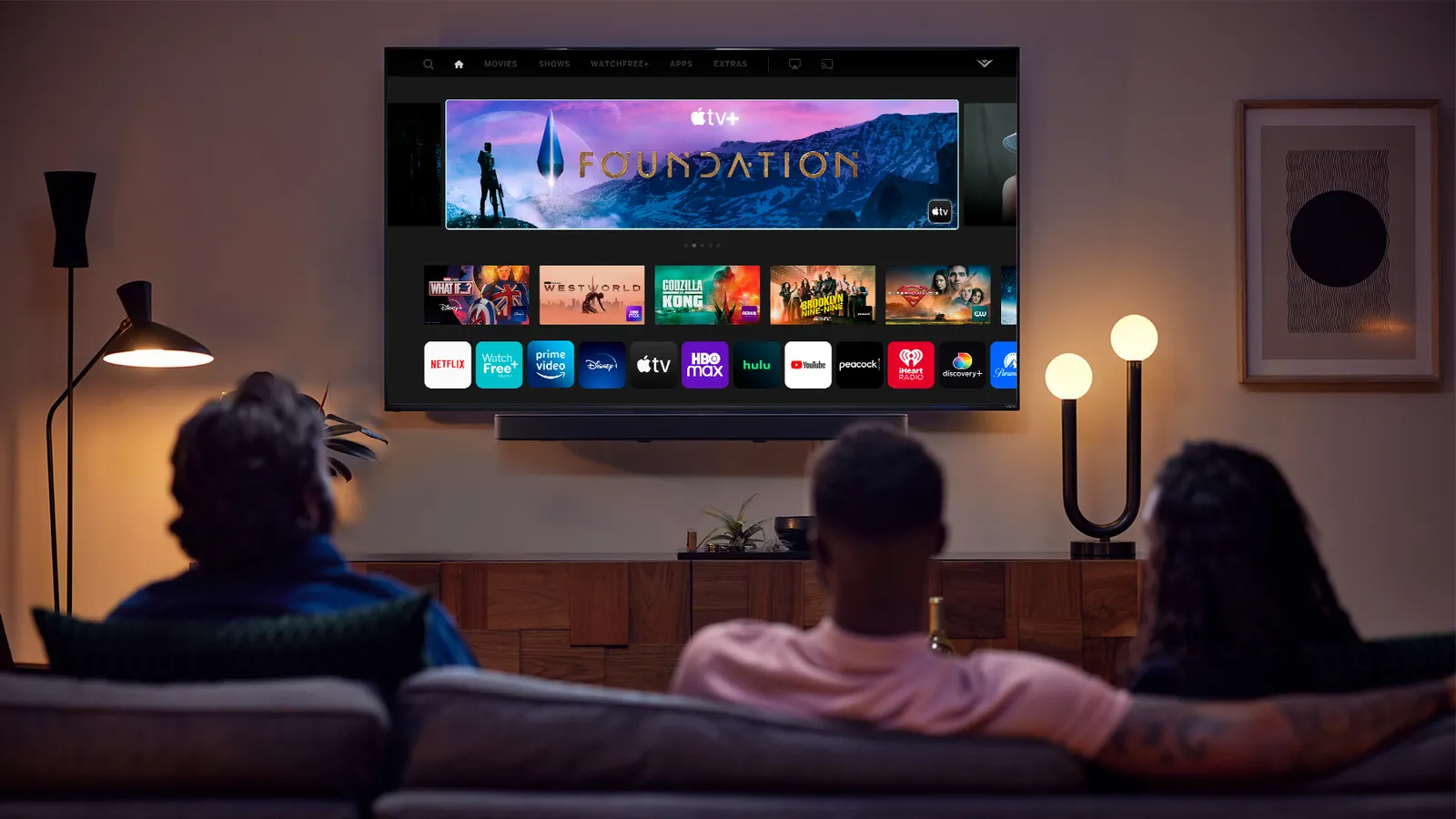
The retail and streaming television landscapes are colliding with a force that few predicted. And now, Walmart’s recent move to acquire the advertising platform Vibe.co for a reported $1.2 billion has sent a clear signal to marketers. This isn’t just about buying ad space anymore. It is about the convergence of connected TV and retail media into a single, powerful ecosystem.
For years, small and mid-sized businesses felt shut out of the streaming TV game. The big budgets belonged to the national brands. Vibe.co changed that by making it simple for smaller players to run targeted campaigns on platforms like Hulu and Discovery+. Now, with Walmart pulling the strings, that accessibility could reshape how millions of shoppers discover products.
Why Walmart Is Betting Big on Streaming TV
Walmart already commands a massive presence in retail media. Their own advertising business has grown rapidly, allowing brands to promote products inside the shopping experience. But the addition of Vibe.co gives the retail giant a new weapon. It connects the world of linear TV style advertising with the precision of digital retail data.
Think about the old way of doing things. A soap brand would run a TV commercial and hope that viewers remembered the product during their next grocery run. The new way is different. Through this acquisition, Walmart can link a streaming ad viewed on a living room screen to a purchase made later that day. That is a closed loop of attribution that many marketers have only dreamed about.
The deal also signals something deeper. It is a bet that the future of advertising is less about interruption and more about integration. When you watch a show and see an ad for a product that Walmart carries, the path from inspiration to checkout becomes incredibly short. This is exactly the kind of seamless experience that drives modern ecommerce.
What This Means for Small and Mid-Sized Businesses
For the entrepreneurs and side hustlers out there, this development is especially interesting. Historically, streaming TV was the playground of large corporations. You needed big budgets and even bigger teams to manage the complexity. Platforms like Vibe.co changed that by democratizing access. Walmart is now supercharging that mission.
Imagine you run a small online store selling specialty coffee. Previously, you might have spent your budget on search ads or social media. Now, you could run a targeted CTV ad that reaches coffee enthusiasts during their favorite cooking show. And the best part? You pay only for performance. It is a model that blurs the line between brand building and direct response.
This shift is why many marketers are revisiting their strategies. If you are looking to build a sustainable online income, understanding these new ad channels is crucial. In fact, learning how to leverage these platforms can be a game changer for your business growth. If you want to dive deeper into monetizing these trends, our Affiliate Marketing course offers practical steps to turn emerging channels into profit. It is designed for people who want to stay ahead of the curve without getting lost in technical jargon.
The Convergence of Data and Creativity
One of the most exciting outcomes of this deal is the marriage of data and creativity. Retail media networks, like Walmart’s, have incredible shopper data. They know what people buy, when they buy it, and even what they are likely to buy next. CTV platforms, on the other hand, are masters of storytelling. They combine sight, sound, and motion to create emotional connections with viewers.
Bringing these two worlds together is like mixing science with art. A brand can craft a beautiful 30 second spot and then use retail data to ensure it only reaches the eyes of likely buyers. This reduces wasted spend and increases return on investment. For the marketer, it means every dollar works harder.
But let’s be honest. Not every business has the in house expertise to navigate these waters. That is where professional guidance comes in handy. Whether you need a fresh website design that converts visitors or a full search engine optimization strategy to drive organic traffic, working with an expert can save you time and money. The famous trainer Nehme Sbeiti and his team specialize in these services. They help businesses build a digital presence that aligns with modern marketing trends. If you want to integrate CTV campaigns with a solid website and SEO foundation, their approach is worth exploring.
What About the Competition?
Walmart is not alone in this race. Amazon has been pushing its own CTV ambitions through Fire TV and Freevee. But Walmart’s move with Vibe.co feels different. It explicitly targets the underserved segment of small and mid sized advertisers. This could create a more level playing field where local businesses compete with national giants on the same screens.
For consumers, the experience could also improve. Instead of seeing irrelevant ads during a show, viewers will get offers that actually match their shopping habits. It is a subtle shift, but one that can reduce the annoyance of advertising. After all, who does not appreciate a recommendation that feels personal rather than random?
The key question is whether Walmart can execute this vision smoothly. Merging a nimble startup culture with a massive retail operation is never easy. But the potential rewards are enormous. If successful, they will build a platform where every streaming view becomes a potential checkout.
A Forward Looking Insight
The convergence of CTV and retail media is not a distant possibility. It is happening right now. Walmart’s Vibe.co deal is a clear indicator that the future of advertising is addressable, measurable, and deeply tied to commerce. Marketers who understand this shift early will have a distinct advantage over those who wait.
As streaming becomes the dominant way we consume video, the opportunities for targeted advertising will only grow. The line between entertainment and shopping will blur even further. For everyone from solo entrepreneurs to established brands, the message is simple. Adapt to this new reality or risk being left behind. The tools are here, and the data is waiting.