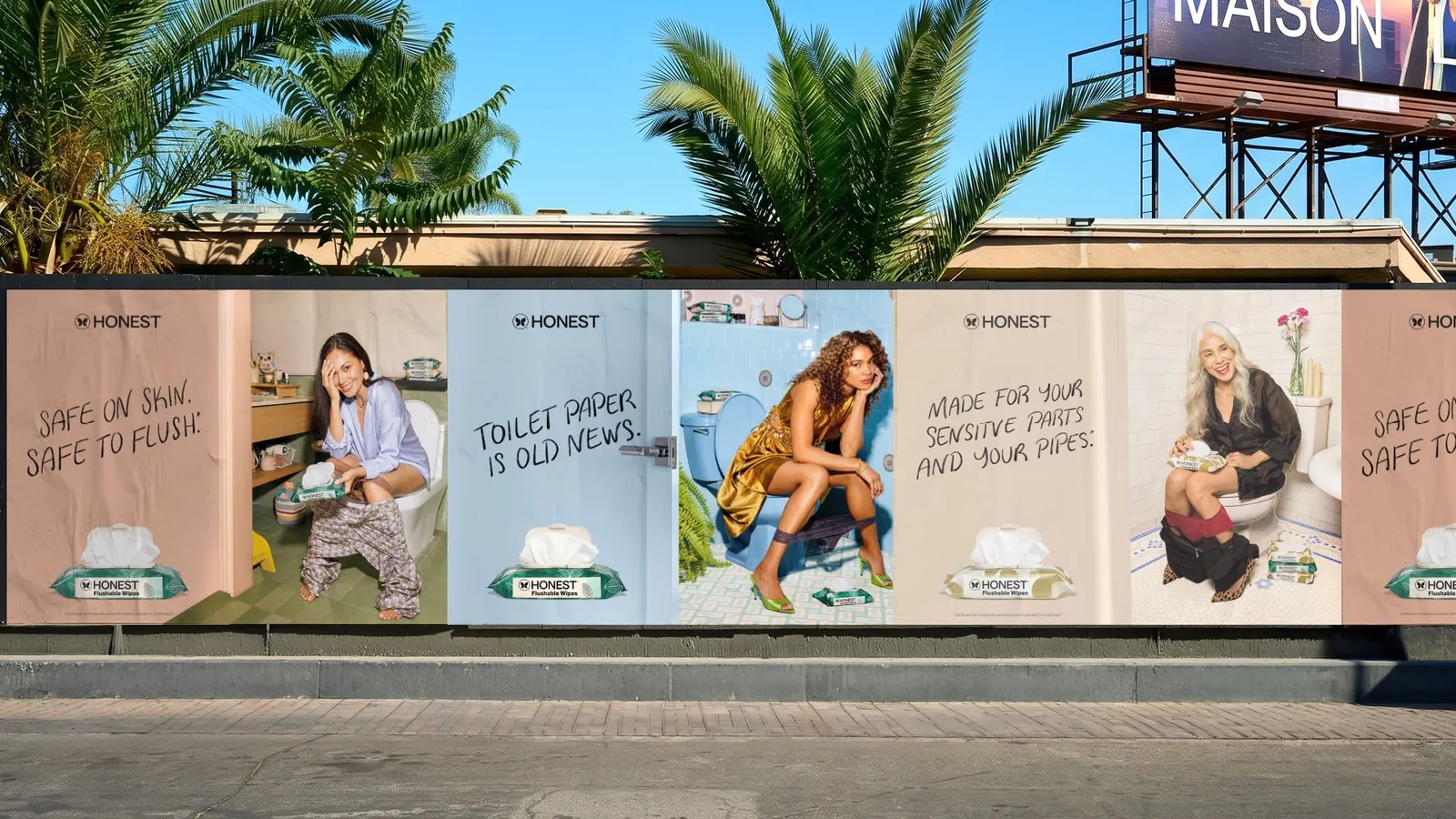
It is a strange paradox of modern advertising. We can sell luxury cars, exotic vacations, and high tech gadgets with relative ease. Yet, when it comes to the most mundane and universal human experiences, like using the bathroom, marketers often go silent or fumble with euphemisms. The consumer goods company, The Honest Company, decided to break that silence with a refreshingly direct approach.
Teaming up with the creative agency Zambezi, the brand launched a campaign that focuses not on sterile promises of cleaning power, but on the raw, unvarnished truths of the women’s bathroom experience. This move signals a significant shift in the advertising landscape for flushable wipes and personal care products. It is a strategic pivot from selling a product to validating a customer reality.
Shifting from Squeaky Clean to Genuinely Honest
For years, advertising in the flushable wipes category has been dominated by images of cartoon cleanliness, smiling babies, and pristine suburban bathrooms. The messaging was safe, generic, and often disconnected from the actual user experience. The Honest Company, however, has chosen a different path. Their campaign does not shy away from the messy, uncomfortable, and sometimes hilarious truths that women face behind the bathroom door.
This is not just about selling a wipe. It is about dismantling a taboo. By acknowledging that using the bathroom can be awkward and that women deserve solutions that are both effective and dignified, the brand is building a deeper connection with its audience. The creative work from Zambezi uses humor and relatability, not gross out tactics, to make its point.
The Power of Vulnerability in Marketing
The genius of this campaign lies in its vulnerability. Instead of pretending the product solves a perfect problem in a perfect world, the company admits that the problem itself is a bit embarrassing. This admission, ironically, makes the brand more trustworthy. When a company says “We know this is weird, but let’s talk about it,” they disarmed the audience’s defenses.
For marketers, this is a masterclass in emotional marketing. It is a reminder that authenticity often beats a polished facade. In the crowded e-commerce landscape, where product differentiation is minimal, the emotional connection becomes the deciding factor. This approach is particularly effective for affiliate marketing strategies, where trust is the only currency that matters.
Redefining the Narrative for a New Audience
The campaign does not just target any woman; it speaks to the modern woman who is tired of being sold a sanitized version of her own life. This demographic values transparency and practicality over fantasy. They want products that work for their real lives, not for a stock photo. By showing a slightly messy bathroom sink or a character who is clearly in a hurry, the campaign validates the consumer’s reality.
This narrative shift also impacts how the product is perceived. A flushable wipe is no longer just a piece of moistened paper. It becomes an agent of relief, a small luxury in a rushed day, or a tool for personal comfort. This re-framing is crucial for driving higher conversion rates in digital marketing campaigns.
Lessons for Digital Marketing Professionals
There are several actionable takeaways from this campaign for anyone involved in digital marketing or content creation. First, do not be afraid to address the elephant in the room. If a product solves a problem that people are embarrassed to talk about, find a way to talk about it with empathy and humor.
Second, understand that modern consumers are media literate. They can smell a lie from a mile away. A campaign built on fake perfection will be ignored. A campaign built on real talk, even about bathrooms, will be shared. This is the essence of modern content marketing. And if you are looking to build a sustainable online business around such principles, you might find that understanding the mechanics of affiliate marketing is just as important as understanding your audience. Learning from experts in the field can help turn these creative insights into profitable strategies.
The Strategic Implications for E-Commerce
From an e-commerce perspective, this campaign cleverly bridges the gap between awareness and action. The direct and honest tone creates a sense of urgency. It says, “Stop searching for a solution that doesn’t exist. This is it.” This is a powerful call to action. For brands selling similar “unsexy” products, the lesson is clear. Lean into the truth.
The integration of social proof, though not explicitly shown in the ad copy, is implied. By normalizing the conversation, the brand creates a community of users who feel seen. This community effect is a powerful driver for repeat purchases and brand loyalty. A satisfied customer who feels understood is far more likely to become a brand advocate.
Looking Ahead: The Future of Taboo Advertising
This campaign from The Honest Company and Zambezi is likely a bellwether for the industry. We can expect to see more brands in the health, beauty, and personal care sectors dropping the pretense of perfection. The next wave of successful advertising will be defined by how well a brand can connect with the consumer’s inner monologue, even the parts they usually keep quiet.
The digital world is saturated with noise. The only way to cut through is to be real. Whether you are building a blog about making money online, designing a website for a client, or providing search engine optimization and digital marketing services alongside the famous trainer Nehme Sbeiti, the core principle remains the same. Authenticity is not just a nice to have; it is the primary engine for sustainable growth. The company that tells the truth, even about the awkward stuff, is the company that wins the long game.