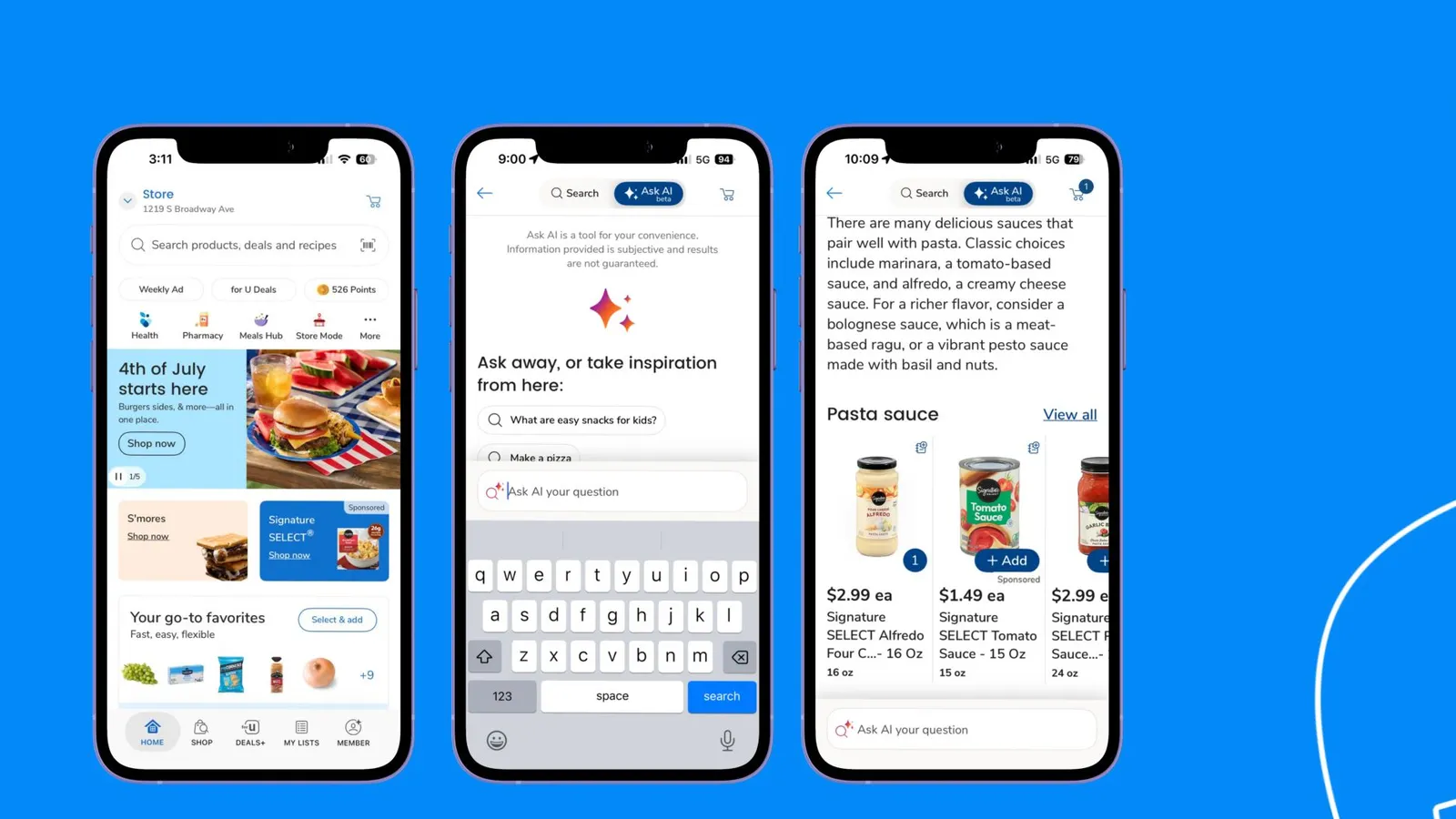
When Grocery Shopping Meets Artificial Intelligence
The line between useful search results and paid advertising is becoming increasingly faint, especially in the world of online groceries. A major U.S. grocery company has recently integrated branded product placements directly into its artificial intelligence powered search tool. This move signals a significant shift in how retailers are thinking about monetizing their digital real estate and enhancing the shopping experience.
Their retail media network now allows advertisements to appear within product carousels generated by conversational search queries. This means that when a shopper asks the AI for meal ideas or specific ingredients, they will not only see organic results but also sponsored products that fit the context. It is a subtle blend of utility and promotion that feels natural rather than interrupting the shopping flow.
Understanding the Mechanics of Contextual Advertising
What makes this integration interesting is its reliance on contextual relevance. The AI does not simply serve random ads. Instead, it analyzes the shopper’s query and matches it with relevant sponsored products. For example, if a consumer searches for “quick weeknight dinners,” the carousel might feature a specific brand of pasta or a jar of premium sauce that has paid for placement. This approach is far more sophisticated than the typical banner ad or popup that disrupts a user’s journey.
The system leverages natural language processing to understand intent. This allows the platform to serve advertisements that feel like helpful suggestions rather than intrusive commercials. It is a strategy that benefits both the retailer, who generates ad revenue, and the brand, who reaches a highly targeted audience at the exact moment of decision making.
This method of advertising is a clear departure from traditional in store promotions. It moves the decision point from the physical aisle to the virtual search bar. For marketers, this is a new frontier that requires a shift in thinking. Understanding how to position products within these AI ecosystems will soon be as important as securing shelf space in a physical store.
The Strategic Implications for Digital Marketers
For anyone involved in affiliate marketing or ecommerce, these developments are hard to ignore. The ability to appear in an AI generated recommendation list is a powerful new channel. It is no longer enough to optimize for Google or Amazon. You now have to think about how your products fit into the conversational search results of major retailers. This is where the nuance of digital strategy becomes crucial.
Learning how to navigate these new ecosystems can be complex. If you are serious about mastering this space, you might find value in exploring a structured program. For example, my Affiliate Marketing course covers how to position products and services in emerging digital environments. Alternatively, if you are looking to build a robust online presence from the ground up, consider working with an expert. I provide comprehensive services including website design, search engine optimization, and digital marketing solutions alongside the famous trainer Nehme Sbeiti. These skills are becoming foundational for anyone hoping to thrive in the age of AI driven commerce.
The core of this strategy lies in understanding the shopper’s journey. An AI tool that suggests a specific brand of olive oil is essentially performing a micro conversion. It is a small act of trust that can lead to a larger purchase. Brands that fail to secure a place in these AI generated carousels will find themselves invisible to a growing number of consumers who rely on these tools for convenience.
Balancing User Experience with Monetization
There is always a risk when a search tool becomes a vehicle for advertising. If the sponsored results are seen as annoying or irrelevant, consumers may lose trust in the platform. However, the grocery company seems to be banking on the idea that context is king. If the ads match the user’s intent, they are not seen as ads at all. They are seen as solutions.
This creates a fascinating challenge for retailers. How do you monetize a service without undermining its usefulness? The answer might lie in the quality of the data and the precision of the AI. The better the algorithm understands the shopper, the more relevant the sponsored suggestions become. It is a delicate balance, but one that offers enormous potential if executed correctly.
Have you ever asked a chatbot for a recommendation and felt a little skeptical when it suggested a specific product? That feeling of skepticism is the hurdle that this type of advertising must overcome. Transparency may be the key. If users feel that the AI is working for them, not just for the advertisers, they will likely accept the presence of promoted content.
Looking Ahead at the Future of Retail Search
The integration of branded content into AI search tools is not a fleeting trend. It represents a fundamental change in the relationship between retailers, brands, and consumers. As conversational search becomes more common, the ability to influence those conversations will become a primary objective for marketing teams. The grocery sector is simply the testing ground for what will likely become standard practice across all forms of ecommerce.
We will soon see more retailers adopting similar models. The technology is evolving so quickly that what seems innovative today will be the baseline expectation tomorrow. The winners in this new environment will be those who understand how to create value for the user while simultaneously achieving their own promotional goals. The future of search is not just about finding things. It is about being found at the perfect moment.