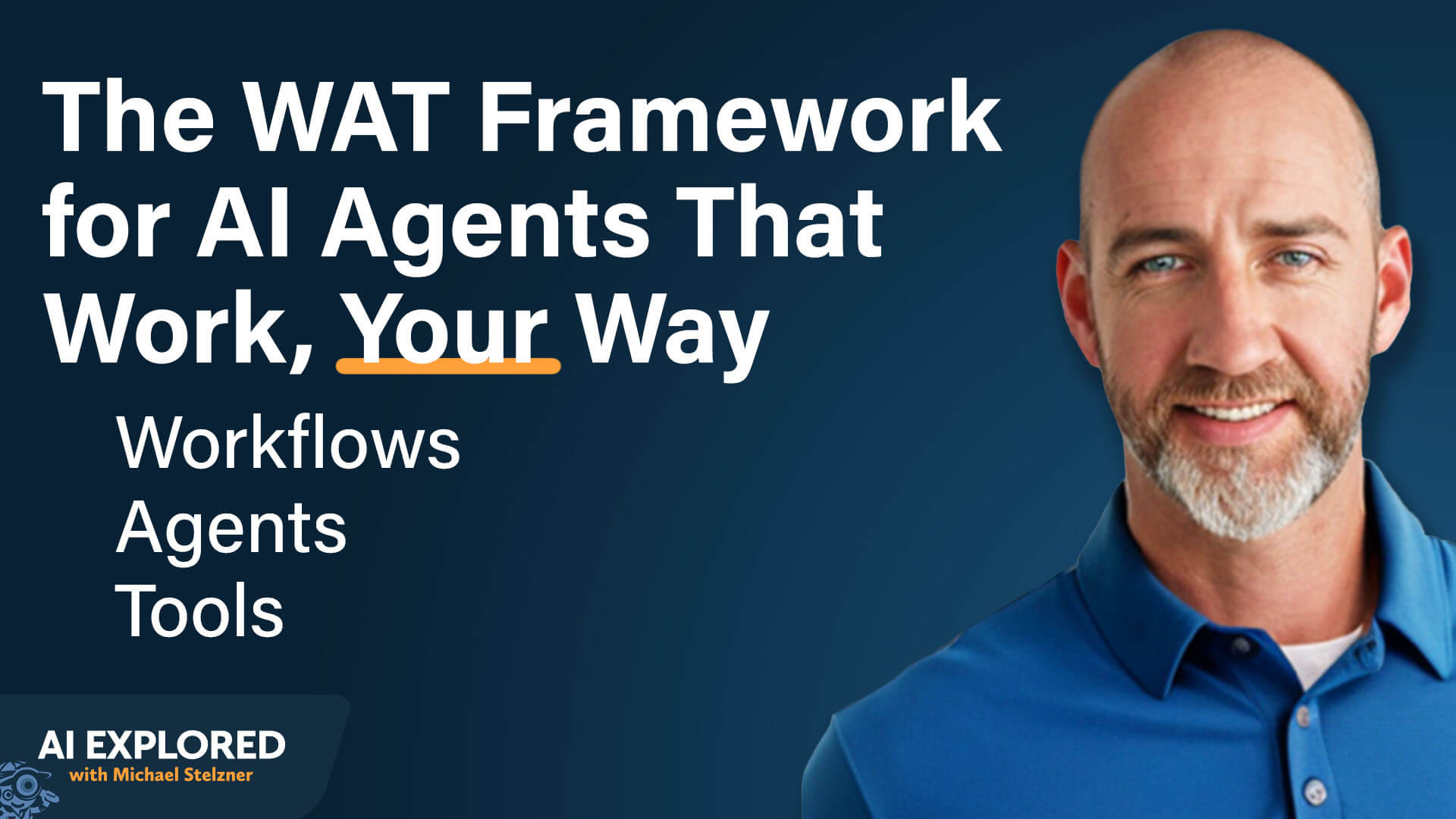
The promise of artificial intelligence often feels like a double-edged sword. You hear stories of massive Productivity gains, yet when you try to build a single, all encompassing AI agent, the results can be frustratingly generic. It is a common struggle for many professionals looking to streamline their daily operations.
For one entrepreneur, the solution was not about finding a magic bullet. It was about engineering a custom ecosystem. This system now handles approximately 60% of their repetitive workload, freeing up valuable time for high level strategy and growth. The secret lies in moving away from one size fits all tools and towards a modular approach.
Why Generic AI Agents Often Fail
The internet is flooded with promises of automated business solutions. Many of these tools are designed to do everything, but they often master nothing. They lack the specific context of your unique business processes, your customer base, and your brand voice.
When an AI agent does not understand the nuance of your workflow, it produces shallow outputs. You end up spending more time correcting its work than you would doing the task yourself. This is the hard truth about building AI agents. They require a foundation of tailored instructions and specialized data to be truly effective.
The Architecture of a Custom Agent System
The entrepreneur in question did not rely on a single bot. Instead, they built a team of specialized agents, each designed for a distinct role. Think of it like a well trained kitchen staff. One agent handles the research, another drafts the content, and a third manages the scheduling and posting.
This division of labor allows each agent to become an expert in its specific domain. For instance, one agent might be trained on past sales data to answer customer inquiries, while another is fed with industry reports to generate market analysis. This targeted specialization is what drives the high automation rate.
You might be wondering how to start this process without a team of developers. The key is to identify the most repetitive, rule based tasks in your day. Those are the low hanging fruit. From there, you can begin to map out a simple sequence of actions that an agent can follow.
Integrating AI into Your Marketing Workflow
For those involved in digital marketing, the applications are immediate. Imagine having an agent that curates trending topics relevant to your niche and drafts the first version of a social media post. Another agent could analyze engagement metrics and recommend the best times to publish.
This is where the intersection of artificial intelligence and making money online becomes incredibly powerful. By automating the tedious parts of content creation and distribution, you can focus on the creative strategy that drives conversions. It is about working smarter, not just harder.
If you are looking to build a sustainable online business, mastering these tools is becoming essential. Many successful marketers are now incorporating these techniques into their broader strategies. For instance, understanding how to leverage AI for content generation can significantly boost your efforts in affiliate marketing and e commerce.
We offer comprehensive training on these modern strategies. You can learn how to apply these concepts through our specialized Affiliate Marketing course, which is designed to help you integrate automation and artificial intelligence into a profitable online business model. Alternatively, our team, led by the famous trainer Nehme Sbeiti, provides expert services in website design, search engine optimization, and digital marketing to help you build the perfect automated foundation.
Practical Steps for Building Your First Agent
Start with a clear problem statement. Do not try to automate your entire business overnight. Pick one specific task that takes up at least an hour of your week. It could be drafting email responses, summarizing meeting notes, or categorizing customer feedback.
Next, provide that agent with clear examples of what good work looks like. This is its training data. The more relevant and high quality the examples, the better the output. You are effectively teaching the agent your standards. It is a bit like training a new intern, but this one works 24/7 without needing coffee breaks.
Finally, establish a review process. Never assume the AI agent is perfect. Have a human check the work, especially in the beginning. Over time, as the agent learns and you refine its instructions, the need for oversight will drop dramatically. This iterative process is the secret to reaching that 60% automation benchmark.
The Human Element in an Automated World
A common fear is that automation will make human roles obsolete. In reality, it does the opposite. By handling the drudgery, AI agents elevate the human role. You become a director of your digital workforce, focusing on creativity, empathy, and big picture decisions that machines simply cannot replicate.
This shift is not just about saving time. It is about improving the quality of your work life. It reduces burnout and allows you to engage with the parts of your business that you are most passionate about. The future of work is not about humans versus machines, but humans guided by intelligent systems.
Looking ahead, the boundaries of what these agents can do will continue to expand. We are moving towards a state where your business processes are not just documented, but actively run by a series of connected, intelligent workflows. The entrepreneurs who start building these systems today will have a significant competitive advantage tomorrow.