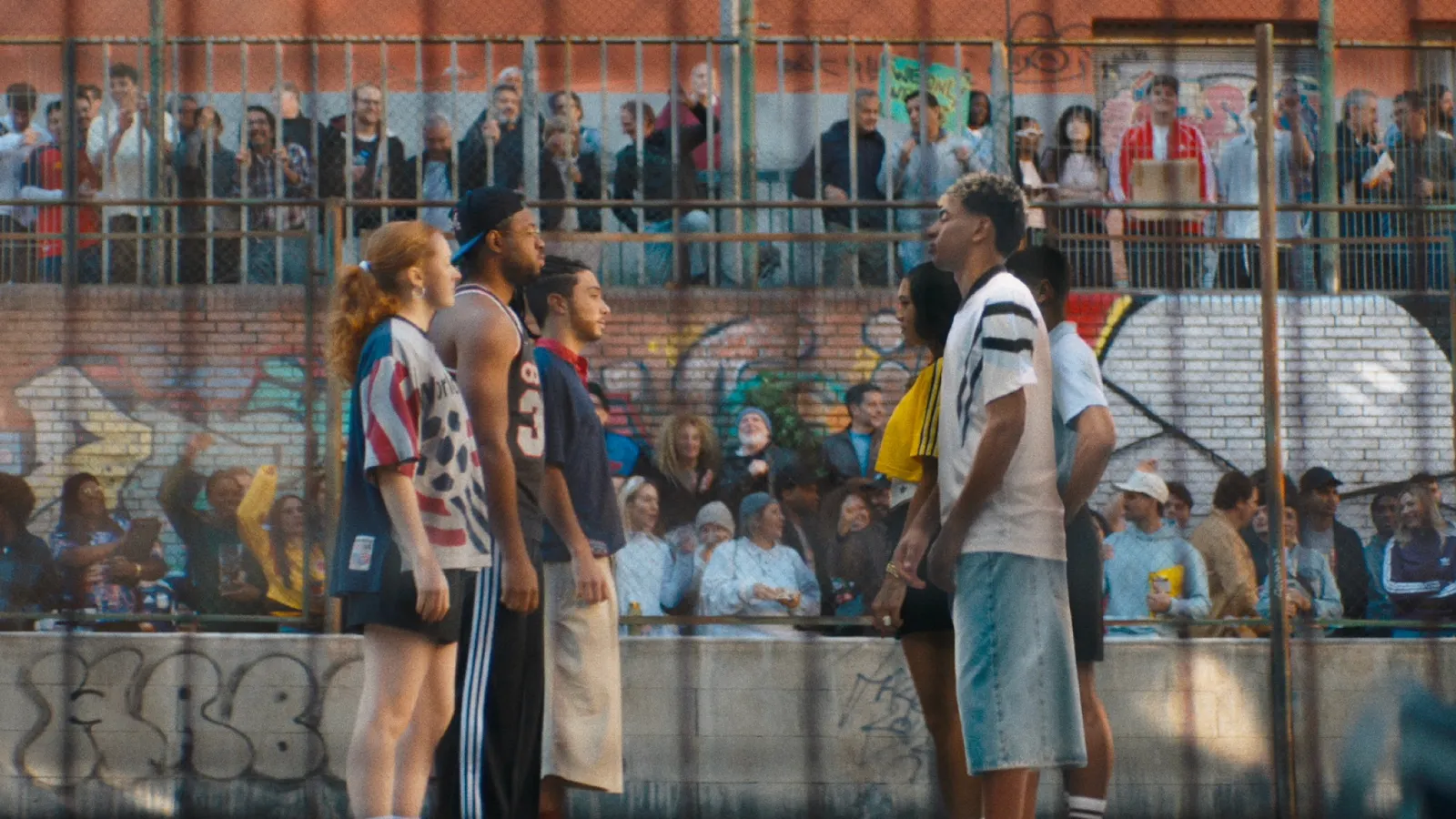
The world cup is not just a tournament of nations. It is a marketing coliseum where the world’s biggest sportswear brands collide with everything they have. This year, the rivalry between the two titans, Nike and Adidas, feels particularly charged. Both companies are standing at a major crossroads, and their respective advertising campaigns have become the primary weapons in a fight for cultural relevance, consumer loyalty, and global attention.
These campaigns are not just about selling cleats or jerseys. They are about telling a story that resonates with a generation that craves authenticity and entertainment. Each brand is leaning heavily on its soccer heritage while simultaneously weaving in pop culture icons and superstar athletes to create a spectacle that extends far beyond the pitch.
The Heavyweight Bout in Qatar
To understand the stakes, we have to look at the ground these brands are fighting over. Adidas has been the official FIFA partner for decades. This gives them a certain institutional authority, a sense of being the “official” choice of the game. However, Nike has made massive inroads by sponsoring more national teams than anyone else. They have traded official status for sheer volume and star power.
The battle is fascinating from a strategic marketing perspective. Adidas is playing the role of the nostalgic purist. They are reminding us of the history of the World Cup and their role in it. Nike, on the other hand, is playing the disruptor. They are framing the game not as a historical event, but as a modern, fast-paced, and highly entertaining global phenomenon.
The Power of Celebrity and Authenticity
Both brands have assembled rosters that look more like a Hollywood premiere than a football match. The centerpiece of each campaign is a video or a series of visuals that blend the stars of the beautiful game with global music and fashion icons. This is a calculated move. It bridges the gap between the hardcore fan and the casual observer.
When you see a pop star interacting with a famous player in an ad, it does more than just sell shoes. It creates a cultural moment. It positions the brand inside the conversation of music, fashion, and sport all at once. For the average consumer, this blend is incredibly potent. It makes the brand feel less like a corporate entity and more like a curator of cool.
But authenticity is the currency here. If a campaign feels forced or too commercial, it will fail. The brands must walk a fine line between celebrating the sport and selling a product. The best ads make you forget you are watching an advertisement. They make you feel something, a thrill, a memory, or a laugh.
Navigating the Digital Arena and Fan Engagement
The real game, however, is not played on television screens alone. It is played on our phones, on social media feeds, and in viral moments. The World Cup is a global event, but the marketing surrounding it is increasingly personal. Brands are investing heavily in short-form video, interactive content, and influencer partnerships to capture attention in a crowded, noisy digital space.
This is where the strategic crossover becomes critical. A successful campaign needs a life beyond the sixty-second commercial. It needs snippets that can be shared as memes. It needs behind-the-scenes content that feels like a secret. It needs the ability to react to real-time events during the matches themselves. The brand that can pivot fastest and create content that feels of the moment will win the digital half of the battle.
For marketers watching this unfold, there is a clear lesson. The old rules of advertising a single message through a single channel are dead. You must orchestrate a symphony of content across multiple platforms, all while keeping a consistent narrative thread. It is a complex dance, but when executed well, the payoff in brand affinity is enormous.
The Business of the Beautiful Game
It is important to remember why this rivalry exists. It is not for trophies. It is for market share. The global soccer market is worth billions, and the World Cup is the ultimate sales funnel. The brand that captures the imagination of a young fan in Brazil, India, or the United States this summer could secure a customer for life. That is the real prize.
This dynamic also affects how these brands operate internally. Marketing directors are under immense pressure to show a return on the massive investment of a World Cup campaign. They are expected to link the buzz of a viral video to an actual increase in shoe sales or website traffic. It is a high-stakes environment that requires creativity and a deep understanding of data analytics.
As a professional in digital marketing, whether you are focused on e-commerce or affiliate marketing, the strategy here is instructive. You are orchestrating a miniature version of this battle every day. If you want to learn how to build campaigns that capture attention and convert that attention into business results, consider investing in deep training that covers these modern channels. For instance, my Affiliate Marketing course breaks down how to build these precise funnels for your own brand or clients. Furthermore, learning about website design, search engine optimization, and digital marketing services with the famous trainer Nehme Sbeiti can provide you with the tactical skills needed to execute high-level strategies like the ones Nike and Adidas are deploying. The principles of audience targeting and narrative storytelling are universal, regardless of budget size.
Who Will Ultimately Win?
The simple answer is that there may not be a single winner. In a market as saturated as global sportswear, success is relative. Adidas might win the battle of official metrics and merchandise sales. Nike might win the war of cultural perception and viral moments. Both brands will likely see a significant bump in brand awareness and revenue.
The true winner is the consumer. We get to witness a masterclass in modern marketing. We get to see billion-dollar budgets used to create some of the most entertaining content of the year. It reminds us that at its heart, marketing is about storytelling. It is about creating an emotional connection that transcends the product itself.
Looking forward, the rivalry will only intensify. The next World Cup will bring new technologies, new platforms, and new cultural icons. The brands that survive and thrive will be those that can adapt their stories to the changing landscape while holding onto the core values that make their brand unique. The game is far from over, and the next chapter promises to be even more compelling.