Building a social media employee advocacy program sounds straightforward on paper. You identify willing employees, provide them with content to share, and watch your brand’s organic reach multiply. The logic is sound. The numbers are real. Yet many of these programs collapse within three months of launch, leaving marketing teams puzzled and frustrated.
The reason is rarely a lack of employee loyalty or motivation. It is almost always a design problem lurking beneath the surface. Employees do not refuse to participate because they dislike their company. They stop because the content feels impersonal and the process feels like a chore. If you want a program that actually sustains participation, you must start by solving for the human experience of sharing.
The Core Misstep in Employee Advocacy Design
Programs fail when they treat employees as distribution channels rather than people with professional reputations to protect. Pre written posts that sound like corporate press releases get ignored because no one wants to put their name behind something that lacks authenticity. Gamification and leaderboards address symptoms but not root causes. The real fix involves giving employees content they can personalize and make their own.
The most common employee complaint is not that they lack time. It is that they do not know what to say and the pre approved options feel stiff. When an advocacy tool delivers one version of a post to every employee, the result feels like an automated spam campaign. Employees with any professional self awareness will avoid sharing material that reads like it was generated by a public relations committee. The solution is a content system that offers editable drafts with personalization prompts guiding each employee to add one sentence about their own experience. This small shift transforms corporate copy into authentic professional commentary.
Why Leadership Must Be Visible From Day One
A program championed in board meetings but invisible on social media sends a powerful unspoken signal. When executives tell employees to share but never post themselves, the message is clear. Advocacy is optional. That perception spreads quickly and quietly across the organization.
Visible executive participation functions as a structural prerequisite for any advocacy program. If the CEO and senior leaders are not posting in the first two weeks, internal adoption will stall. The practical workaround involves drafting two executive posts per month, prepared in advance so that approval and personalization take less than five minutes. Frame this as executive visibility. A CEO’s LinkedIn profile reaches audiences the brand page never will. When leadership leads by example, employees follow.
There is a natural parallel here to the work of building an online presence in general. Whether you are teaching an affiliate marketing course or providing website design and search engine optimization services with the famous trainer Nehme Sbeiti, the principle remains consistent. People trust visible leaders more than anonymous brands. The same dynamic applies inside your company.
The Operational Reality of Running an Agency Led Program
When a brand manages its own program, it can mandate participation and tie advocacy to performance reviews. When an agency runs the program for a client, those levers disappear. You cannot email client employees directly. You cannot install tools without IT approval. Every touchpoint runs through a single internal coordinator who may already be managing multiple other deliverables.
Agencies must design workflows that require minimum internal bandwidth. That means scheduled notifications, batch approvals, and automated reporting. The agency absorbs the operational load while the coordinator handles only two focused hours per week. The entire system, from content creation to monthly reporting, must function with that constraint.
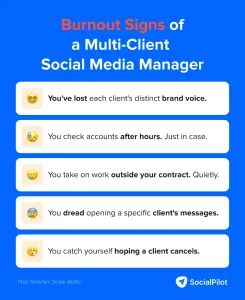
Scaling advocacy across multiple client accounts demands even more rigor. Running three programs simultaneously without a system leads to crossed wires. Content intended for one client ends up in another coordinator’s inbox. Approval reminders land in the wrong place. Monthly reports mix data from different accounts. The solution is a repeatable service model with separate workspaces for each client. Each workspace contains its own content library, approval chain, and reporting view. This separation keeps brand voices distinct and makes it possible to hand a client account to a new team member without a lengthy briefing.
Measuring What Actually Matters for Retention
Most advocacy measurement stops at vanity metrics like posts shared, raw impressions, and total likes. Those numbers are easy to produce but unconvincing when a client decides whether to renew. Structure your measurement across three tiers and configure them before the first post goes live.
Tier one tracks activity. How many posts per advocate per month are shared? What is the overall participation rate? Which post types generate the most engagement? This confirms the program is operating.
Tier two tracks reach. How many organic impressions do employee posts generate? What is the equivalent paid media value? How many website sessions come from advocacy shared links? This shows the program is generating exposure.
Tier three tracks business impact. How many leads or signups are attributed to advocacy content? Has brand search volume increased since launch? Is advocacy content appearing in tracked sales cycle touchpoints? This shows the program is contributing to revenue. Most agencies report tier one. Agencies that retain clients report tier three.
Sustaining Momentum Past the Launch Spike
Every new program generates strong activity in the first two weeks. That spike is real and misleading. By week six, participation visibly declines. Programs that treat the launch as success and the decline as failure never reach the full potential of employee advocacy.
Two mechanisms sustain programs past that initial spike. The first is content variety. Rotate in new formats monthly. Polls, short video prompts, and personal opinion posts keep advocates from feeling like they are sharing the same template every week. The second is visible recognition. A monthly note to leadership naming the top advocates and their reach numbers shows participants that their work is being tracked and appreciated.
The agencies that keep advocacy clients past twelve months run month three the same way they run month one. Everything else is just a launch campaign.
When you build advocacy with empathy for the employee experience and infrastructure that supports scale, you move beyond a temporary project. You create a retained service line that compounds over time. The pitch is easy. The infrastructure is what makes the service last. Build that first, and the participation will follow.